 工業冷水機製造商 LNEYA Taiwan



How to reduce the condensing pressure of the heating circulator unit?
During the operation of the heating circulator unit, the temperature change inside the equipment will cause the condensing pressure to change. Especially in summer when the condensing pressure is too high, the power consumption of the compressor will continue to increase, resulting in a gradual decrease in the cooling capacity, which indirectly makes the equipment cycle worse. It is necessary to appropriately reduce the condensing pressure.

1. Then, when the condensing pressure of the heating circulator unit is too low, the power supply of the throttle valve is insufficient, and the high-pressure liquid pipe is continuously affected by the heating factor, which will reduce the capacity of the throttle valve.
2. The pressure of the condenser can be controlled by adjusting the heat exchange capacity of the condenser. When the heat exchange of the condenser is large, the gas discharged from the compressor is fully condensed, and the condensing pressure gradually decreases; if the heat exchange performance of the condenser is weakened, the condensing pressure continues to rise.
3. The condenser can adjust the cooling water flow to control the condensation pressure. Install a regulating valve on the condenser cooling water outlet pipe. There are two modes for the water volume control valve: one is a temperature type water volume control valve that uses the temperature at the outlet of the cooling water of the condenser to indirectly send a letter. It has a temperature sensor that is inserted into the condensate outlet. When the water temperature rises, the valve opens large; when the water temperature decreases, the valve closes small. The other is a pressure-type water volume regulating valve that directly sends a signal from the condensing pressure, and the pressure signal is drawn from the condenser. When the condensing pressure gradually increases, the valve opens large; when the condensing pressure decreases, the valve closes small, thereby changing the cooling water flow of the condenser.
4. The self-contained cooling tower circulation system can be used. In order to prevent the condensation pressure from being too low, it can be adjusted by the water bypass valve, which makes part of the water from the condenser sent to the cooling tower for cooling, and the other part is returned to the bypass. water outlet.
For the LNEYA heating circulator unit, if multiple pumps are used in parallel, the number of running pumps can be changed to adjust the flow rate according to the constant change of the condensing pressure.
Raccomandazioni correlate
-
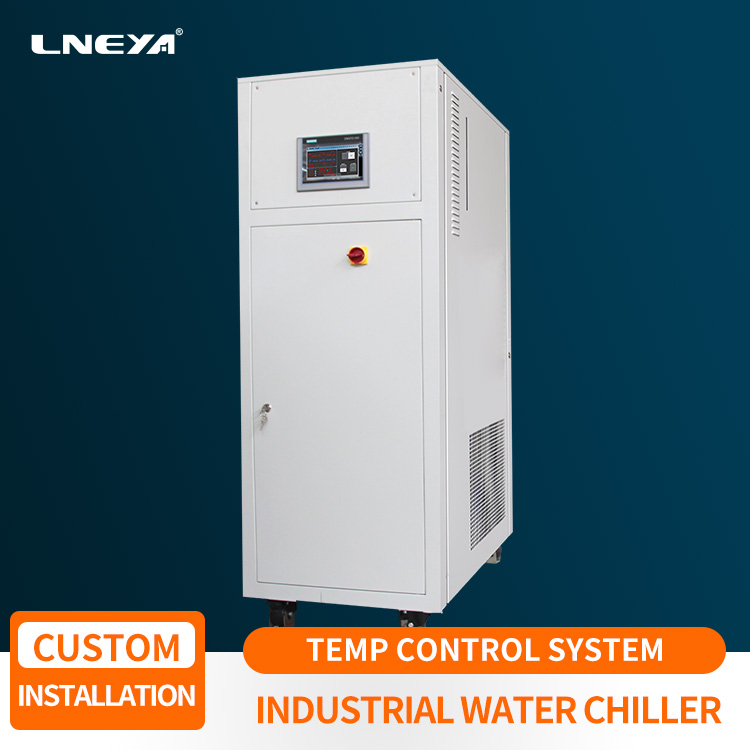
Come funziona il sistema di refrigerazione industriale ad acqua?
2347Quando si utilizzano macchinari industriali, può essere necessario un sistema di raffreddamento per evitare il surriscaldamento della macchina. Le apparecchiature di refrigerazione possono mantenere efficacemente i materiali nell'intervallo di temperatura ottimale, ma come funziona il refrigeratore? Capire il funzionamento...
Visualizza dettagli -

Descrizione dei requisiti per l'installazione di un refrigeratore di glicole
1940Generally, after purchasing the equipment with the glycol chiller manufacturer, the installation manual will be distributed to the user together. So, what should be paid attention to when installing the glycol chiller? In summer, glycol chillers...
Visualizza dettagli -

Come evitare il funzionamento improprio del circolatore di riscaldamento e raffreddamento?
1978Quando l'utente aziona il circolatore di riscaldamento e raffreddamento, l'operazione deve seguire le istruzioni. Quindi, come evitare un funzionamento non corretto? Il circolatore di riscaldamento e raffreddamento LNEYA è dotato di un sistema di allarme multifunzione e di una funzione di sicurezza. Utilizza una piastra...
Visualizza dettagli -
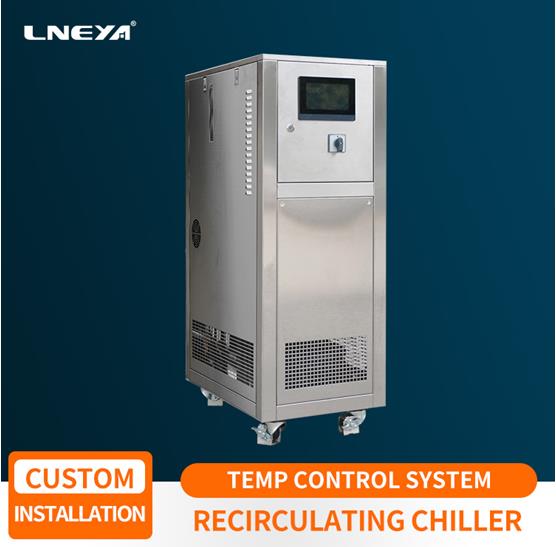
Precauzioni per l'utilizzo del refrigeratore a ricircolo LNEYA
2091Il refrigeratore a ricircolo a bassa temperatura di LNEYA può essere utilizzato con strumenti di supporto (come evaporatori rotanti, vasche di fermentazione, reattori chimici, apparecchiature di liofilizzazione, reattori biofarmaceutici, ecc.
Visualizza dettagli