 工業冷水機製造商 LNEYA Taiwan



Introduction of LNEYA Heating Cooling Circulator Thermostat
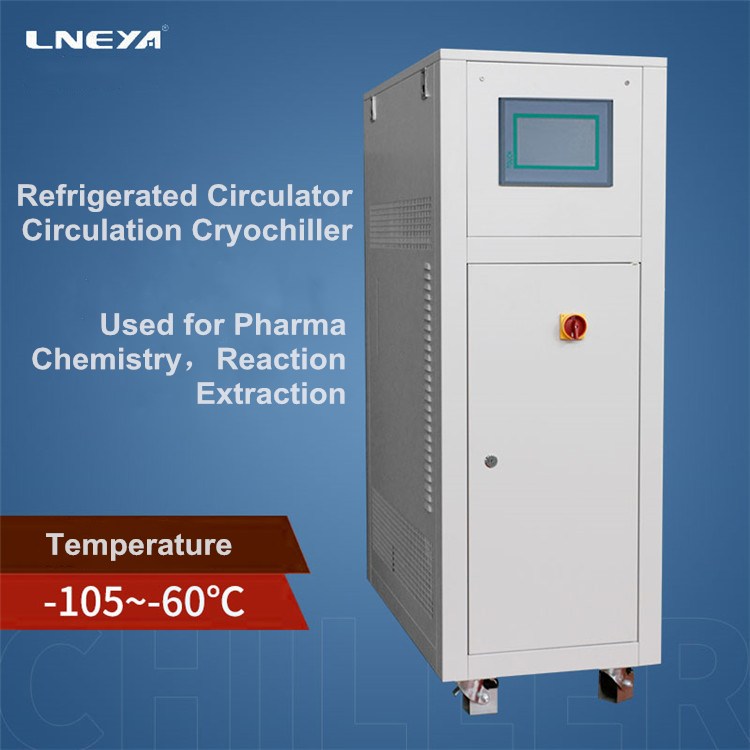
Nowadays, the problem that plagues the pharmaceutical and chemical industry is the problem of temperature control. With the increasing industry demand and temperature control requirements of the pharmaceutical and chemical industry, the use of heating and cooling circulator thermostats is also increasing, showing an upward trend.

In order to cope with the increasing domestic demand in the pharmaceutical and chemical industry, only constant innovation and optimization of the heating and cooling circulator thermostat. At present, LNEYA’s heating and cooling circulator thermostats are mainly used in dynamic thermostatic control of cold and heat sources in high-pressure reactors, dynamic thermostatic control of cold and heat sources in double-layer glass reactors, dynamic thermostatic control of cold and heat sources in double-layer reaction kettles, and microchannel reactors. Constant temperature control of cold and heat sources; small constant temperature control system, steam saturation system temperature control, material low temperature and high temperature aging test, combined chemical cold source heat source constant temperature control, semiconductor equipment cooling and heating, vacuum chamber cooling and heating constant temperature control.
The temperature range of the heating and cooling circulator thermostat ranges from -120°C to 350°C, with superior performance, high precision and intelligent temperature control. Multi-function alarm system and safety functions, 7-inch, 10-inch color TFT touch screen graphic display, using magnetic drive pump, no shaft seal leakage problem. Using ultra-high temperature cooling technology, it can directly cool down from a high temperature of 300 degrees 【because only the heat transfer medium in the expansion chamber is in contact with the oxygen in the air (and the temperature of the expansion tank is between room temperature and 60 degrees), which can reduce the heat transfer medium. Risk of oxidation and absorption of moisture from the air. No heat transfer medium evaporates at high temperature, and continuous control of -80 to 190 degrees, -70 to 220 degrees, -88 to 170 degrees, -55 to 250 degrees, and -30 to 300 degrees can be achieved without pressure. temperature. 】
Different from other manufacturers, the LNEYA heating and cooling circulator thermostat adopts a fully enclosed pipeline design and a high-efficiency plate heat exchanger, which reduces the demand for heat transfer fluid and improves the heat utilization rate of the system to achieve rapid temperature rise and fall. The heat transfer medium is in a closed system with an expansion vessel. The heat transfer medium in the expansion vessel does not participate in the circulation. No matter it is high temperature or low temperature, the temperature of the expansion tank is from normal temperature to 60 degrees, which can reduce the absorption of moisture and volatilization of the heat transfer medium during operation. risk.
In order to make refrigeration and heating run on the same equipment, many pharmaceutical and chemical industries choose LNEYA’s heating and cooling circulator thermostat, which can reduce the operating cost of enterprises to a certain extent, and its potential market is relatively broad. As a professional manufacturer, LNEYA adopts excellent temperature control technology and high-performance accessories, which makes the heating and cooling circulator thermostat achieve a good price-performance ratio. It also provides professional after-sales service. Debugging work to avoid unqualified equipment leaving the factory.
When choosing a heating and cooling circulator thermostat, users need to choose equipment from regular manufacturers to avoid three non-productive products, and do not lose big because of small.
Raccomandazioni correlate
-
All analysis of refrigerant changing process of industrial chiller unit
1945Refrigerant is an indispensable part of the refrigeration system of the industrial chiller. During the operation of the industrial refrigeration unit, the refrigerant constantly changes in the industrial refrigeration unit to achieve the cooling e...
Visualizza dettagli -

Wuxi Guanya: concentrarsi sulla R&S delle apparecchiature di riscaldamento a refrigerazione per contribuire allo sviluppo di nuove energie
2472Il 17 ottobre 2018, l'API di tre giorni si è tenuta nel Nanjing International Expo Center. La mostra era affollata di persone. Wuxi Guanya era un visitatore abituale dell'API. Wuxi Guanya Constant Temperature Refrigeration Technology Co., Ltd., ha partecipato alla fiera. Ltd. (qui...
Visualizza dettagli -
Quali sono le influenze sui fattori di refrigerazione del refrigeratore antideflagrante chiuso?
1982Verificare se è la causa del guasto del refrigeratore antideflagrante chiuso. La selezione deve essere accurata. Se il modello non è a posto, non si otterrà l'effetto di raffreddamento richiesto. Si raccomanda che l'utente ne abbia bisogno quando...
Visualizza dettagli -
Qual è la differenza tra i refrigeratori a glicole e i refrigeratori ad acqua?
2012Sia i refrigeratori di glicole che i refrigeratori possono essere utilizzati per dissipare in modo soddisfacente il calore generato durante la produzione. La differenza fondamentale tra i due tipi di refrigeratori è la variazione del loro punto di congelamento e delle loro capacità di trasferimento del calore. ...
Visualizza dettagli