 工業冷水機製造商 LNEYA Taiwan



There are usually three ways to control the temperature of laboratory reactors
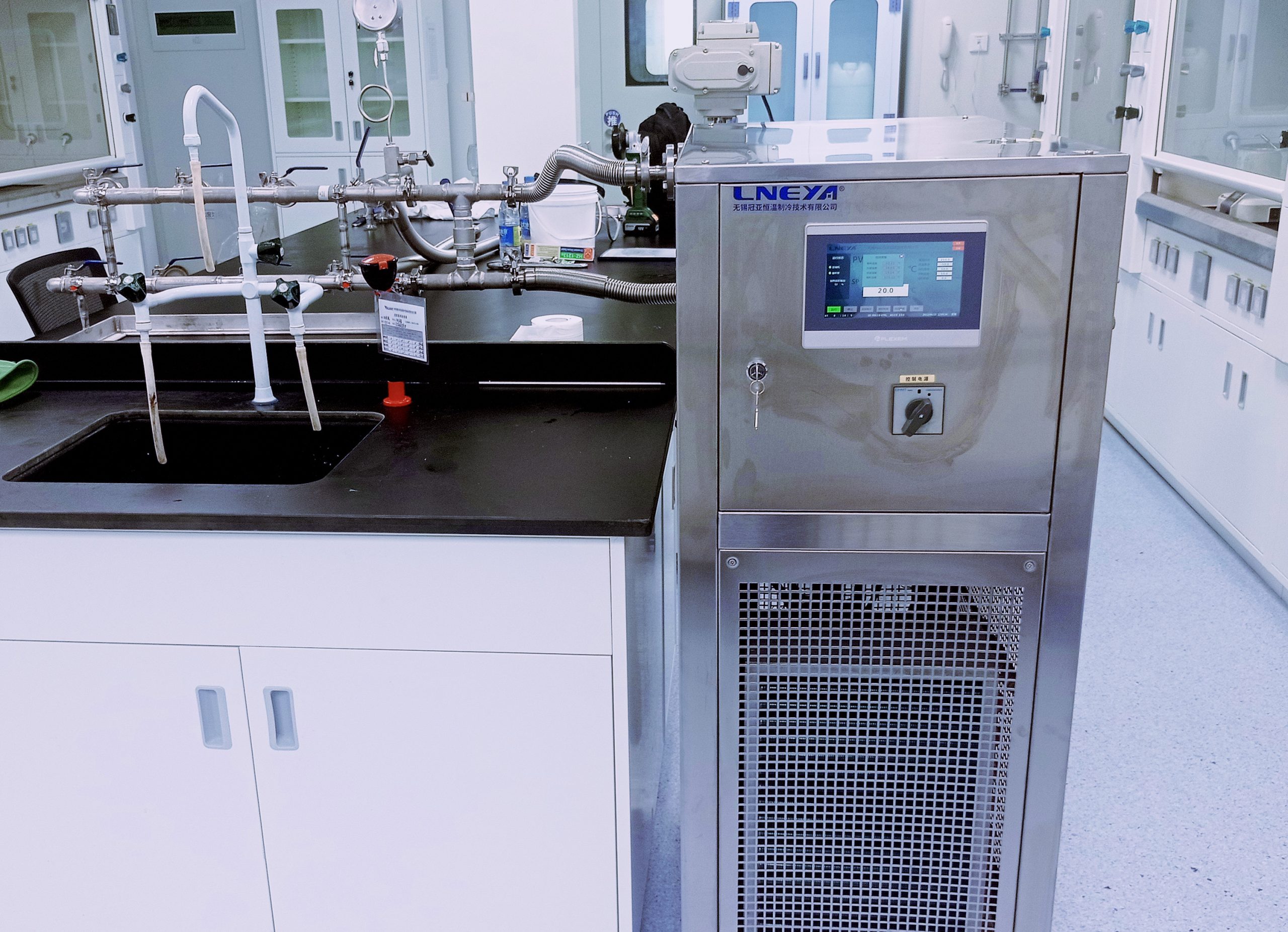
1. Manual control: Manually operate the knob on the front of the reactor controller.
2. Control by PC: The PC and the controller are connected by a network cable, and the operation is carried out on the PC.
3. Controlled by thermostat: Silicone oil is heated through the thermostat, and the thermostat naturally has a temperature control function. Although the thermostat heating limit (usually 250°C) is not as high as that of electric heating (can be as high as 400-500°C), the thermostat rises and falls smoothly, and the low temperature can reach -60/-80°C.
Our LNEYA laboratory reactor temperature control system belongs to the third category. However, the temperature control range is from -120 degrees to 350 degrees. It adopts a fully enclosed pipeline design and a high-efficiency plate heat exchanger, which reduces the demand for heat transfer oil, improves the heat utilization rate of the system, and realizes rapid temperature rise and fall. Continuous temperature control can be achieved in the temperature range of minus 90 degrees to 195 degrees and minus 70 degrees to 220 degrees without pressure.
Jacketed glass reactors are popular in current chemical experiments. The supporting temperature control equipment has also become a matter of widespread concern in the industry. It is known that the cooling and heating temperature in the reaction process has an absolute influence on the reaction process and results. The analysis of the temperature control equipment’s ability to increase and decrease the temperature of the material has become the basic basis for choosing chiller. Then the cooling and heating capacity is not only estimated by imagination and experience, but requires scientific analysis and calculation methods, and needs to calculate the required heating power and cooling power according to the heating rate and cooling rate.
When our technicians communicate with customers, they will first understand the requirements of engineering parameters, such as high and low temperature, how long is the temperature control time, etc., so as to calculate the cooling power and heating power of the chiller required, and determine the available chiller. model, to give customers the most complete temperature control solution. If you also have this need, you can contact us.
Raccomandazioni correlate
-
Quali sono i refrigeranti comunemente utilizzati per la selezione dei marchi di refrigeratori?
2238When the enterprise chooses the refrigerant in the cryo chillers unit brand, what should it need to pay attention to the present market commonly used refrigerant? What is the difference between specific refrigerant properties? Take a look at the b...
Visualizza dettagli -
Condizioni specifiche del test ad alta e bassa temperatura della batteria EV (veicolo elettrico)
2383Esistono principalmente 2 tipi di veicoli: 1. Batteria per veicoli elettrici puri2. Cella a combustibile, dedicata ai veicoli elettrici a celle a combustibile Test termico: Questo test viene eseguito per caratterizzare la reazione delle celle all'ambiente ad alta temperatura. a) Adattamento...
Visualizza dettagli -
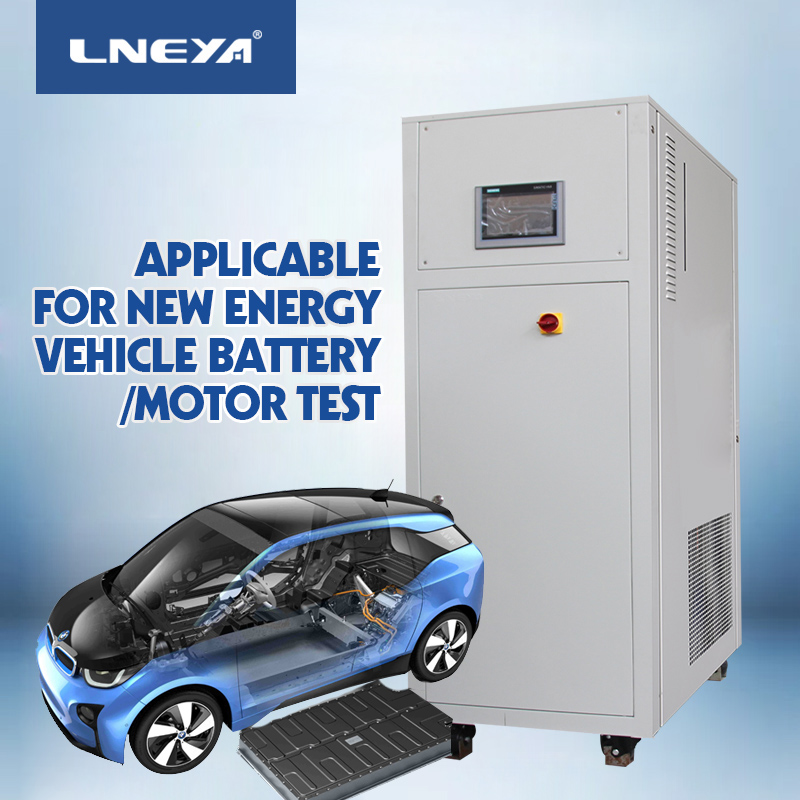
Quali sono i sistemi di test di potenza per le batterie delle auto a nuova energia?
1951Il sistema di batterie di potenza LNEYA è stato testato per il collaudo delle batterie dei veicoli a nuova energia, ma i moderni veicoli a nuova energia hanno molti tipi di batterie. Quali sono le caratteristiche? La batteria al litio ternaria si riferisce a una batteria al litio in cui...
Visualizza dettagli -

Various reactors and materials use PLC temperature control system
2253The PLC temperature control system is used for the lifting and constant temperature control of glass reactors, metal reactors and bioreactors, especially for heat exothermic control in the reaction process. The heat transfer oil in the jacket of t...
Visualizza dettagli