 工業冷水機製造商 LNEYA Taiwan



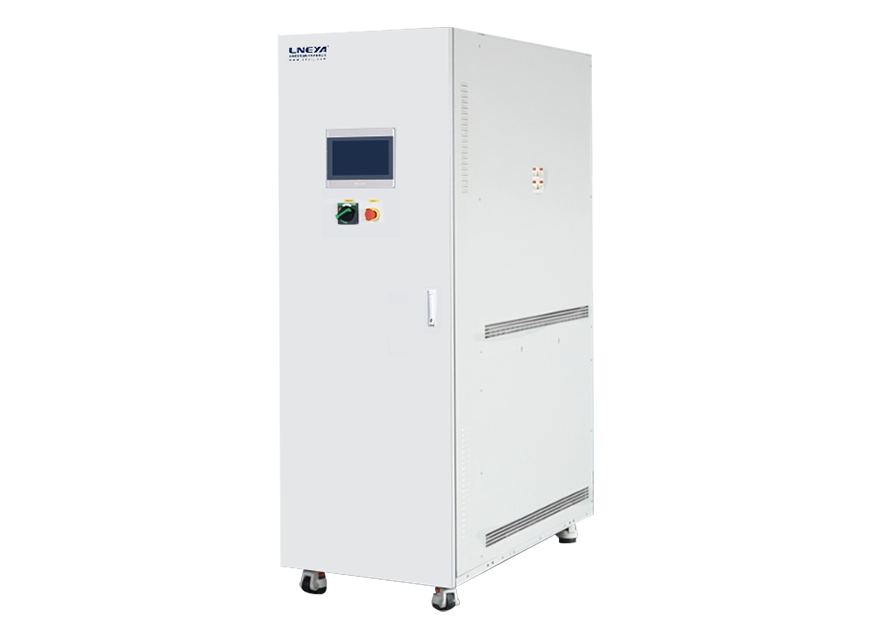
Water chiller for high and low temperature testing of aviation fuel
High and low temperature cooling of aviation fuel usually requires the use of water-cooled chillers rather than air-cooled chillers. This is because water-cooled chillers have higher energy efficiency and better temperature control accuracy, and are more suitable for the cooling needs of aviation fuel.
Application of water chillers in high and low temperature testing of aviation fuel:
Low temperature requirements:
- Fuel freezing point test: used to test the freezing point of aviation fuel at low temperatures to ensure that the fuel will not freeze under cold conditions.
- Low temperature performance test: evaluate the performance parameters such as fluidity and viscosity of aviation fuel under low temperature conditions to ensure that the fuel can be transported and burned normally at low temperatures. In cold areas, the fuel may need to be cooled between -40°C and -50°C.
High temperature requirements:
- Thermal stability test: evaluate the thermal stability of aviation fuel under high temperature conditions to ensure that the fuel will not decompose or produce harmful substances under high temperature conditions.
- Volatility test: test the volatility of the fuel at high temperatures to ensure that the fuel will not volatilize excessively under high temperature conditions. In high temperature areas, the fuel may need to be cooled between 30°C and 40°C.
Temperature Cycle Test:
•Thermal Cycle Performance Test: Simulates the cyclic changes of aviation fuel under different temperature conditions to evaluate the performance stability of the fuel under temperature change conditions. It is usually necessary to control the temperature within the range of ±1°C to ±0.5°C to ensure the stability and safety of the fuel during transportation and storage.
Temperature Variation Range:
•Aviation fuel may experience large temperature changes in different seasons and regions, so the cooling system needs to be able to adapt to a wide temperature variation range. The water chiller needs to be able to operate over a wide temperature range, usually covering a range from extremely low temperatures (such as -60°C) to higher temperatures (such as above 40°C). The ability to quickly switch between high and low temperatures to simulate the rapid temperature changes of aviation fuel under different temperature conditions is very important for evaluating the thermal cycle performance of the fuel.
In summary, water-cooled chillers are more suitable for the high and low temperature cooling needs of aviation fuel due to their high energy efficiency, precise temperature control and stability. When selecting a chiller, it is also necessary to consider factors such as specific application scenarios, cooling requirements, available space, and ease of maintenance.
caricamento...
已经是到最后一篇内容了!
Raccomandazioni correlate
-
Refrigeratore d'acqua per cristallizzazione da laboratorio
1737Laboratory crystallization water chiller is a device specially used in laboratory environment to control the temperature conditions during crystallization. This equipment is mainly used in the research and development process of chemistry, pharmac...
Visualizza dettagli -

Come funzionano insieme torri di raffreddamento e chiller
1531Learn how water-cooled chillers and cooling towers work together to remove process heat efficiently, maintain product quality, and save energy.
Visualizza dettagli -
Do You Really Need an Industrial Chiller for Your Applications
1257Is an industrial chiller really necessary for your applications? Learn when to use a chiller, its benefits, and how to choose the right one for your process.
Visualizza dettagli -

How to Choose a Chiller 8 Factors to Consider
1630Select the right industrial chiller by evaluating size, type, application, efficiency, control, safety, and manufacturer support for optimal performance.
Visualizza dettagli