 工業冷水機製造商 LNEYA Taiwan



Circuitos cerrados de refrigerante en enfriadores
1739Closed-loop chillers reduce evaporation and contamination risks, making them ideal for precision cooling in industrial applications.
Ver detallesBuscar en toda la estación
Closed-loop chillers reduce evaporation and contamination risks, making them ideal for precision cooling in industrial applications.
Ver detallesThe biggest difference between a split chiller system and a packaged chiller is that its condensing and evaporating components are not in the same unit. This article explains its structural features and advantages.
Ver detalles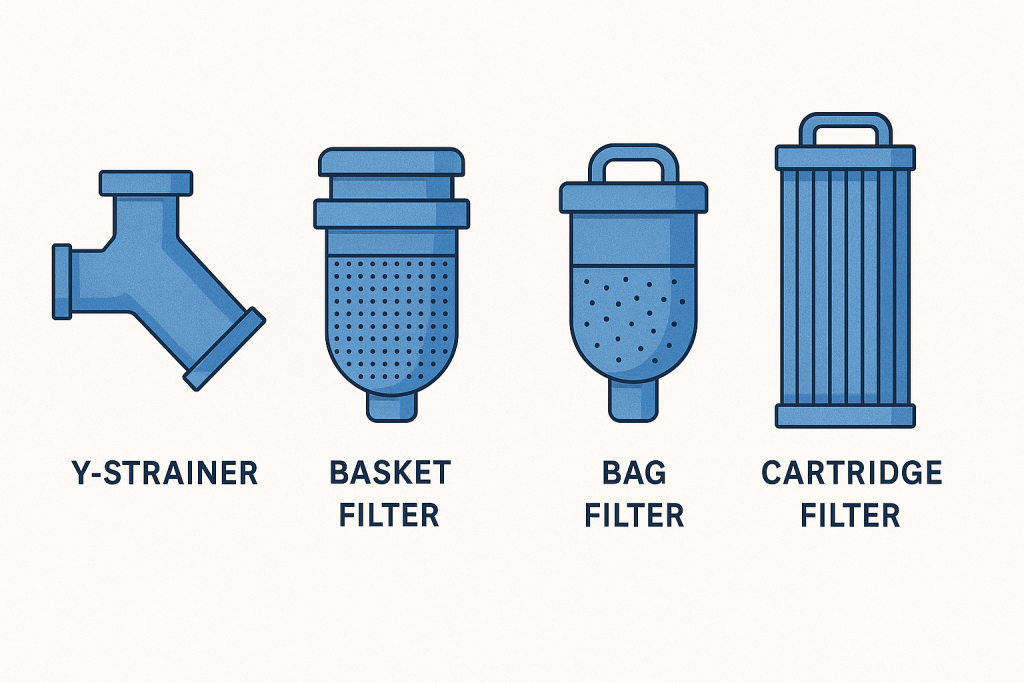
Protect your chiller system with the right filters. Learn about chiller filter types, functions, and typical installation locations.
Ver detalles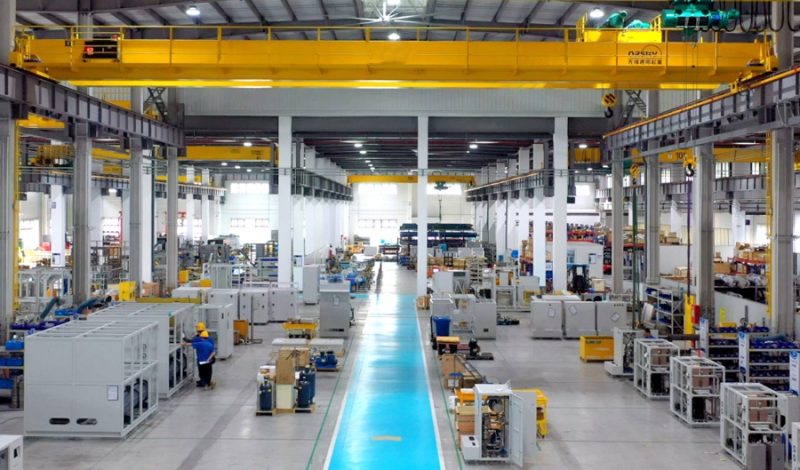
Compare soft starters and VFD in chiller systems. Understand their roles, differences, and which motor control method suits your application.
Ver detalles
Compare common thermal oils used in industrial chillers and learn how to choose the best fluid for your cooling system's temperature range.
Ver detalles
Glycol concentration is commonly referred to as the coolant ratio, which represents the volume ratio between water and glycol in the coolant mixture. This article discusses the impact of an incorrect coolant ratio on industrial chillers.
Ver detalles
Ensure your chiller matches operating conditions by considering Inlet Water Temperature for optimal performance and reliability.
Ver detalles
Single-phase and three-phase chiller systems have different power needs and applications. Know the key considerations before choosing your chiller.
Ver detalles
Different countries and regions have mandatory requirements for electrical, energy efficiency, and environmental performance. This article explains the common international chiller certifications.
Ver detalles
Chillers need to operate continuously for extended periods after startup, so some components are susceptible to natural wear and tear and accidental damage.This article explains common wearing parts and critical spare parts to help you plan ahead.
Ver detalles