 工業冷水機製造商 LNEYA Taiwan



Coolant Circulation Unit: Industrial Process Cooling and Temperature Control System Guide
A coolant circulation unit is an industrial temperature control system designed to circulate coolant through equipment, machinery, or manufacturing processes to maintain stable operating temperatures. It combines cooling, pumping, circulation, and temperature regulation functions into a single integrated system.
In modern manufacturing, temperature stability directly affects product quality, production efficiency, equipment lifespan, and process consistency. Whether you work with semiconductors, batteries, chemicals, pharmaceuticals, lasers, or precision machinery, maintaining accurate temperature control is often critical to success.
How Does a Coolant Circulation Unit Work
The system drives the cooling medium to flow in the closed loop through the circulating pump. When the cooling medium passes through the heated equipment or process area to be cooled, it absorbs the excess heat and removes the heat generated by the equipment.
After absorbing heat, the temperature of the cooling medium rises, and then it flows back to the main body of the cooling liquid circulation unit. The refrigeration components or heat exchange components within the unit will release the heat carried by the cooling medium, allowing the temperature of the cooling medium to return to the set working temperature.
After cooling, the cooling medium is again pumped into the loop to start the next round of heat absorption and heat exchange cycle.

Main Components of a Coolant Circulation Unit
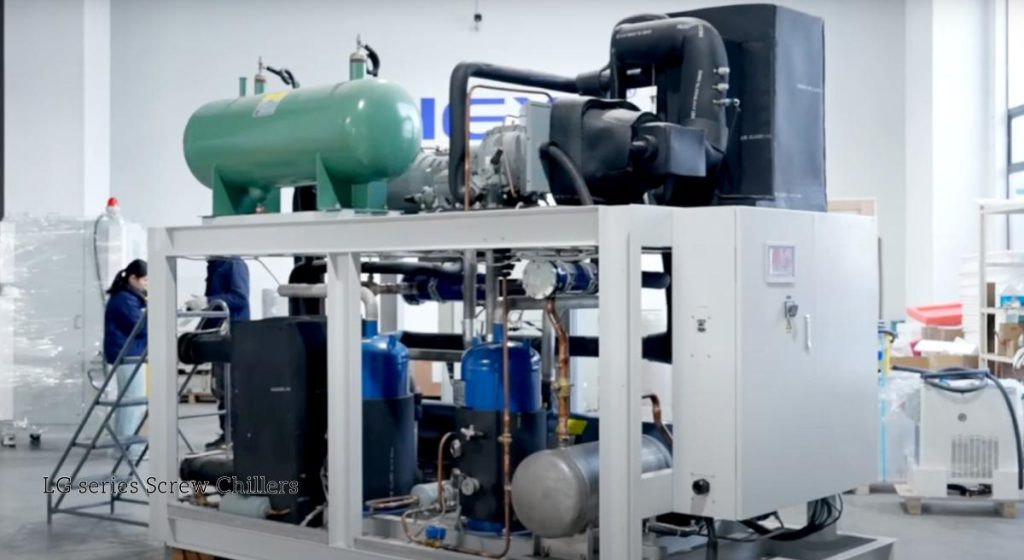
The coolant circulation unit is mainly composed of several core components: the circulation pump, the temperature control module, the heat exchange/refrigeration component, the storage tank, and the control system.
The circulation pump is the power source for the entire circulation, providing the power for the continuous flow of the cooling medium in the closed loop; the temperature control module is responsible for real-time detection of the temperature of the cooling medium and automatically adjusting the refrigeration power or heat exchange efficiency according to the set value.
The heat exchange or refrigeration component is the core part for discharging heat, transferring the heat absorbed by the cooling medium through air cooling, water cooling or compression refrigeration methods; the storage tank is used to store a certain amount of coolant; the control system is the command center of the entire unit, supporting parameter setting, operation status monitoring and abnormal protection.
Industrial Applications of Coolant Circulation Units
Fabricación de semiconductores
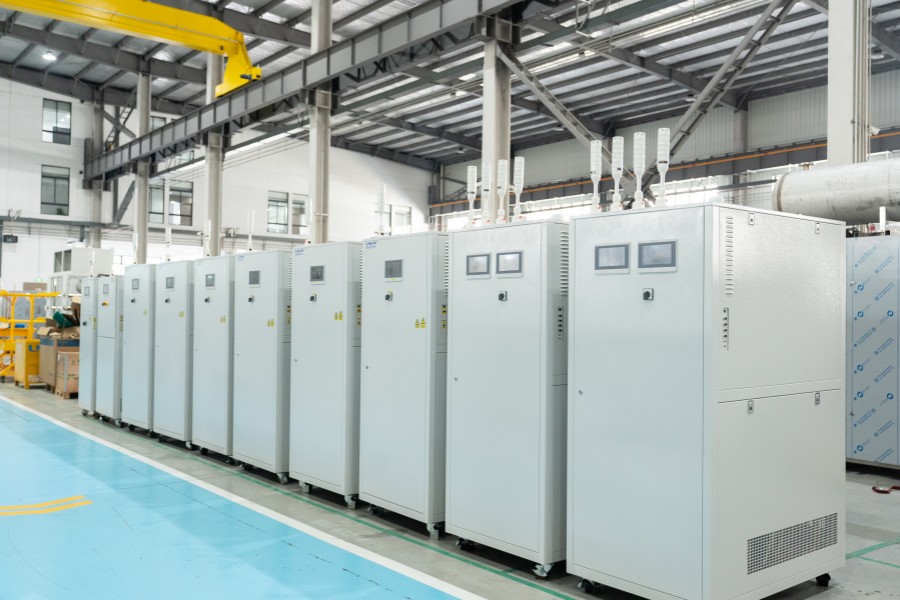
Semiconductor fabrication requires extremely stable temperature control throughout production. In advanced semiconductor facilities, coolant circulation units are often combined with single channel chillers to maintain accurate temperatures during lithography, etching, deposition, wafer inspection, and testing processes.
Battery Manufacturing
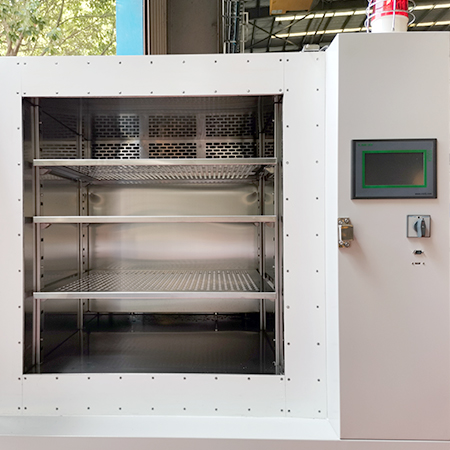
Battery production generates substantial heat during charging, discharging, formation, and cycling tests. For battery thermal management applications, coolant circulation units frequently work alongside battery test chambers to ensure accurate temperature control throughout the testing process.
Pharmaceutical Manufacturing
Pharmaceutical production often requires strict thermal management to maintain product consistency and process reliability. Coolant circulation systems help achieve accurate temperature control during synthesis, fermentation, extraction, and storage processes.
Obtenga una solución de refrigeración más eficiente y confiable.
Conclusión
Whether you work in semiconductor manufacturing, battery production, chemical processing, pharmaceutical manufacturing, or laser applications, selecting the right coolant circulation solution can significantly improve thermal management performance and long-term operational reliability.
LNEYA offers a wide range of customizable coolant circulation units designed to meet diverse industrial temperature control requirements. Whether your application requires precise cooling, heating and cooling integration, or specialized thermal management solutions, our team can provide a tailored system to match your process needs. Contact us to discuss your custom temperature control solution.