 工業冷水機製造商 LNEYA Taiwan



Advantages of laboratory low-temperature circulators
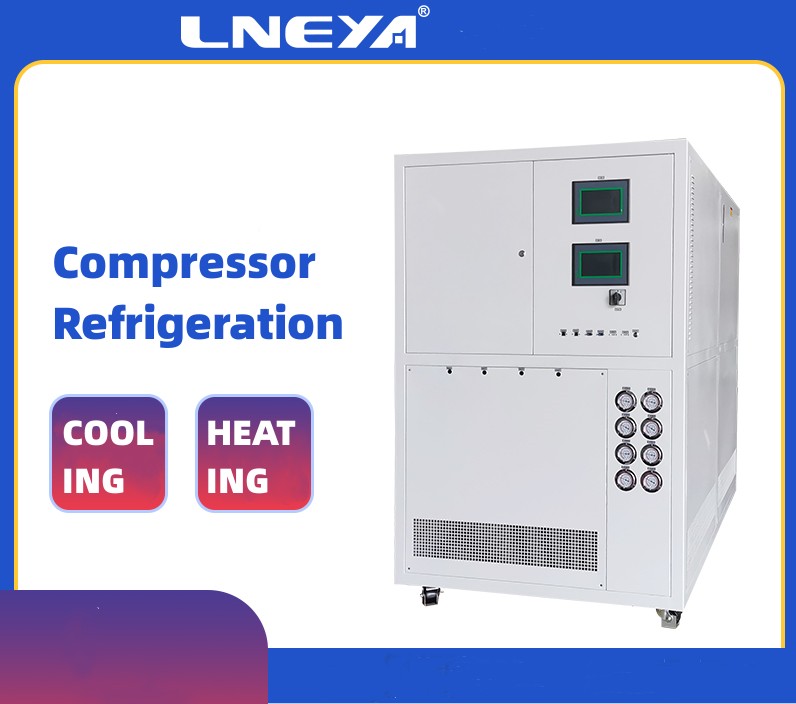
The laboratory low-temperature circulator can simultaneously provide constant temperature and current refrigeration, heating, and temperature control equipment. The laboratory low-temperature circulator has a reasonable structure, simple operation, and good stability.
1. The laboratory low-temperature circulator uses a compressor for refrigeration, which consumes energy and improves the exhaust temperature. The refrigerant then exchanges heat with the surrounding medium under the right conditions, transferring the heat to the surroundings. If adiabatic expansion is carried out again, the temperature will decrease.
2. The laboratory low-temperature circulator absorbs isothermal heat from high-temperature objects through an evaporator to reduce the temperature of the object to be cooled. This cycle is continuously carried out to achieve the purpose of cooling. The design of the laboratory low-temperature circulator refrigeration system uses energy regulation technology. Effective treatment methods can not only ensure the normal operation of the refrigerator, effectively control the energy consumption and cooling capacity of the refrigeration system, reduce the operating cost of the experimental box refrigeration system, and achieve a more economical state.
3. The laboratory low-temperature circulator absorbs the heat of the object to be cooled from the evaporator and evaporates it with steam. The compressor continuously extracts the steam generated by the evaporator.
4. The high-temperature and high-pressure steam compressed by the laboratory low-temperature circulator is sent to the condenser, where the cooling medium (such as water, air, etc.) releases heat and condenses into a high-pressure liquid. The pressure is reduced through a throttling mechanism to enter the evaporator. Evaporate again, absorb the heat from the cooled object, and circulate in this way.
5. After the laboratory low-temperature circulator mechanism heats up, the refrigerant changes its flow through a four-way valve. The flow direction of the refrigerant is exactly opposite to the refrigeration process. The refrigerant first passes through the evaporator, then returns to the condenser, and then returns to the compressor.
Recomendaciones relacionadas
-

Cómo eliminar las incrustaciones del condensador de carcasa y tubos del frigorífico de temperatura ultrabaja?
2115Desincrustación del condensador del frigorífico de baja temperatura En general, disponemos de tres métodos: la desincrustación mecánica, el decapado y la desincrustación química, y la desincrustación electrónica del separador magnético de agua. Refrigerador de baja temperatura...
Ver detalles -
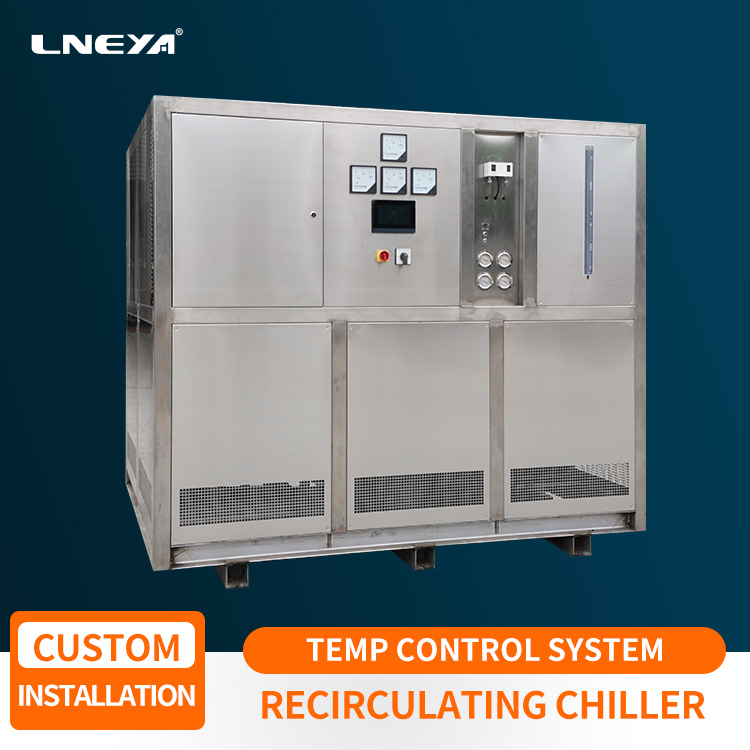
Debugging steps of industrial water chiller in chemical industry
2023After completing the installation of industrial water chillers in chemical enterprises, certain debugging needs to be carried out in the early stage of operation. Only through careful debugging can we find out whether there are hidden troubles in...
Ver detalles -
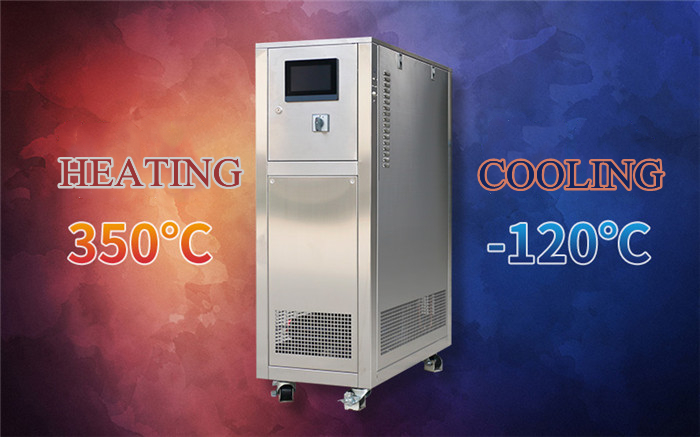
High temperature silicone oil cooling and heating cycle machine maintenance steps
1834The mechanical wear of the high temperature silicone oil cooling and heating cycle machine is an important factor that directly affects the refrigeration capacity. It is necessary to record the operating parameters during use, often listen to the ...
Ver detalles -
Breve introducción del termostato de calefacción y refrigeración de curva a prueba de explosiones
1882El termostato de calefacción y refrigeración de curva a prueba de explosiones de la serie SUNDI adopta la tecnología de refrigeración por compresor y calefacción de enlace, un sistema de tuberías integrado y un intercambiador de calor de placas. Es adecuado para equipos que conectan reactores para ref...
Ver detalles