 工業冷水機製造商 LNEYA Taiwan



The solution to the fully enclosed heating and cooling thermostat lack of refrigerant alarm
What should I do if the fully enclosed heating and cooling thermostat alarms for lack of refrigerant? I believe that many customers will encounter this problem when they use it. In fact, this is relatively simple. As long as we know the principle of the lack of refrigerant alarm, it can be solved very well. Today I will share two points with you so that everyone will encounter this problem. It can be solved very quickly.
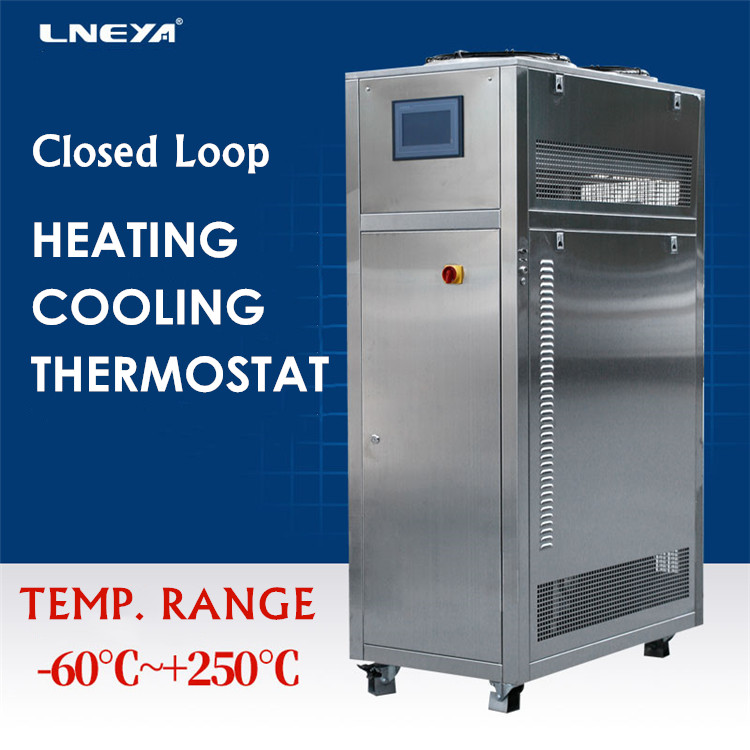
When we encounter a refrigerant shortage alarm in a fully enclosed heating and cooling thermostat, the first thing we have to do is to check to see if the liquid level on the expansion tank of the fully enclosed heating and cooling thermostat is at the normal level, if it expands at this time The liquid level of the fuel tank is lower than the low level, then this alarm is caused by the lack of oil in the system. What we need to do is to add new heat transfer oil in time until the system has a stable pressure and the liquid level of the expansion tank is at the normal level. It can be solved.
There is another situation that will also cause the fully enclosed heating and cooling thermostat to alarm for lack of refrigerant. That is, an alarm occurs after a period of use. At this time, we also need to check the liquid level of the expansion tank. If the heat transfer oil is lower than the low level, there must be a leak in the pipeline, which needs to be found and repaired in time. If it is not the leakage problem, then Most of it should be that the liquid level float switch of the expansion oil tank touches the wall of the expansion oil tank, causing the liquid level switch to not work normally. At this time, we need to remove the liquid level switch and re-reinforce it. The main reason for this situation may be due to The fully enclosed heating and cooling thermostat is caused by slight vibration during use.
The above are two solutions for the lack of refrigerant alarm. The alarm is a fully enclosed heating and cooling thermostat’s built-in protection, mainly to prevent the heating tube from burning dry, so when we encounter this problem, we can solve it in most cases according to the two methods shared by the editor. If it is solved No way to contact LNEYA after-sales technical support.
Recomendaciones relacionadas
-
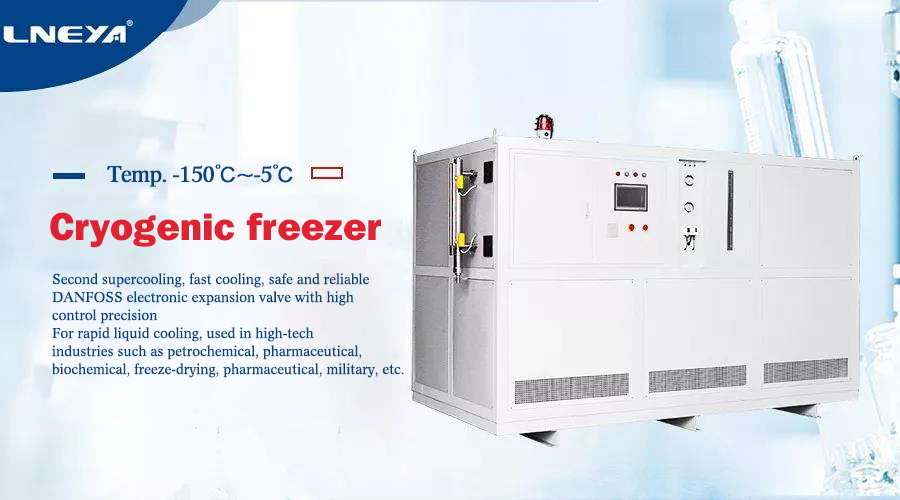
Analytical description of accessories used in low temperature chiller
1642The low temperature chiller still uses a larger amount of cooling water equipment in our usual refrigeration equipment. When using it, you must first understand the principle of the low-temperature chiller and various accessories to better operate...
Ver detalles -

Detalles del sistema de control de la temperatura del reactor aislado
2025El sistema de control de temperatura del reactor aislado adopta el medio termoconductor para realizar el control dinámico de temperatura del enfriamiento y calentamiento del fluido, y para controlar el enfriamiento y calentamiento del medio termoconductor o del mate...
Ver detalles -
¿Es necesario instalar un sistema de circulación de agua caliente en casa?
1913The heated water circulator is suitable for households where the water heater is far from the outlet. The area of the home is very large, so there is good advantage existing in installing one. After all, it is a test to wait for hot water in winte...
Ver detalles -
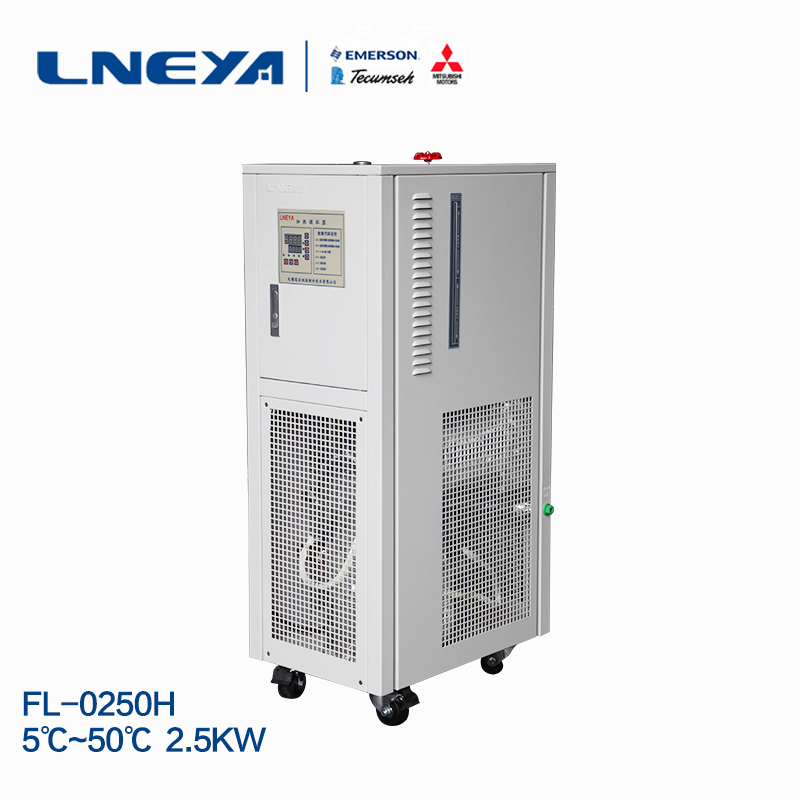
Requisitos de seguridad para el control de la temperatura del sistema de vaporización
2149The steaming system temperature control is one of the low temperature refrigerators designed and produced by Wuxi Guanya LNEYA. The temperature range is from -5 °C to -150 °C. The secondary subcooling technology is adopted, the refrigeration is ra...
Ver detalles