 工業冷水機製造商 LNEYA Taiwan



What should I do if there is noise from industrial cooling and heating chillers?
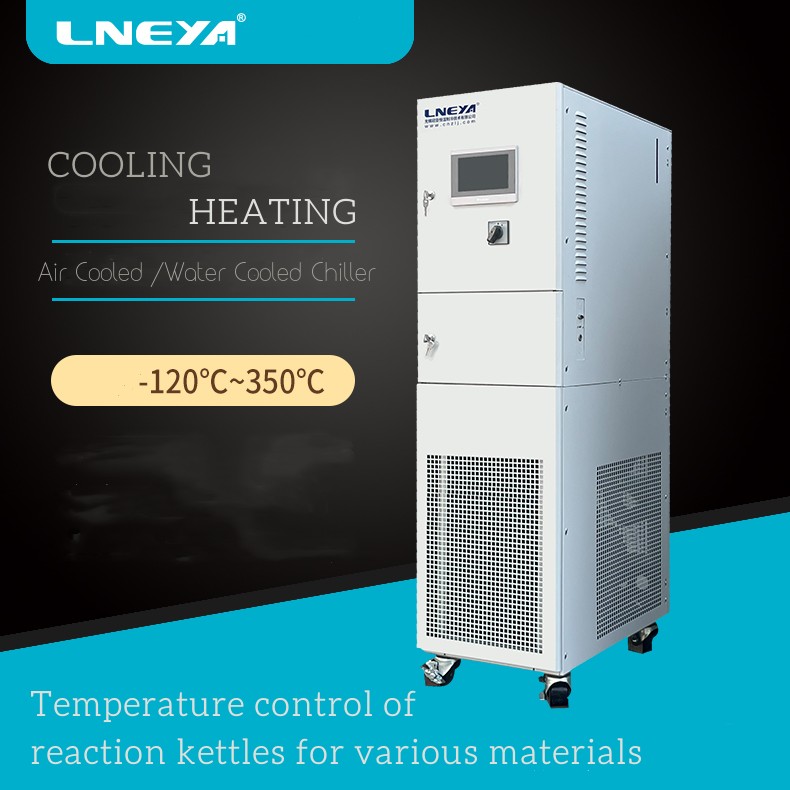
The industrial cooling and heating temperature control equipment adopts a PID algorithm temperature control system to accurately adjust the temperature based on the detected temperature and the set temperature value, improving the drawbacks of traditional manual control of the reaction kettle.
1. The industrial cooling and heating temperature control equipment, the chiller circulating pump, converts electrical energy into mechanical energy to promote the liquid phase circulation of the heat transfer oil, and transfers heat to the reaction kettle. The heat transfer oil exchanges with the materials in the reaction kettle and then returns to the oil heater, where it is heated again under the pressure of the pump and enters the next cycle. Through repeated cycles, heat is transferred and transported, heated and cooled, or the temperature of the reactor is maintained to meet the temperature requirements required by the production process.
2. When high noise occurs during the operation of the industrial cooling and heating temperature control equipment, the chiller needs to be inspected and promptly addressed if any problems are found. The internal components of the industrial grade cold and hot temperature control thermostat are excessively worn, such as the wear and tear of the cylinder body and valve plate of the plunger pump, as well as the wear and tear of the matching parts between the plunger and the plug hole, causing serious internal leakage in the pump. When the pump outputs high-pressure and low flow oil, flow pulsation will occur, causing high noise.
3. The pump valve plate is also one of the important components that can easily cause noise. Industrial cooling, heating, and temperature control equipment. During use, the water chiller may shorten the unloading groove and change the unloading position due to surface wear or oil sludge deposition at the opening of the unloading groove, resulting in oil trapping and higher noise.
4. When air is mixed into the cold water oil of industrial cooling and heating temperature control equipment, it is easy to form cavitation phenomenon in its high-pressure zone, which spreads in the form of pressure waves, causing oil oscillation and causing cavitation noise in the system.
Recomendaciones relacionadas
-

Multi-stage refrigeration system centrifugal compressor repair instructions
2548After the centrifugal compressor of the cascade refrigeration system is disassembled, the dimensions of each journal (cooperating with the impeller, bearing, coupling, etc.) are measured with an outer diameter micrometer to calculate the roundness...
Ver detalles -
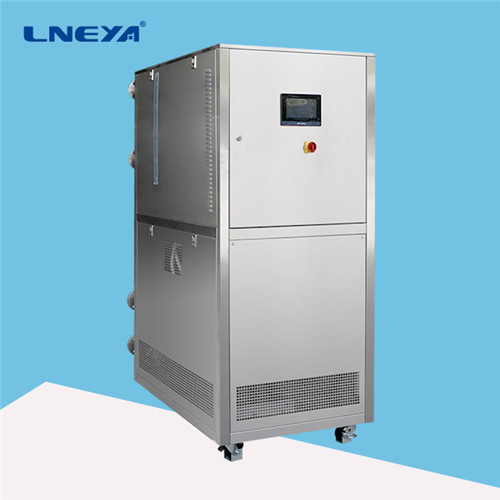
Puntos a los que prestar atención al elegir una máquina de control del ciclo de temperatura del reactor
1864La máquina de control de circulación de temperatura del reactor siempre ha sido un equipo indispensable para las empresas farmacéuticas y químicas. Como un equipo experimental de refrigeración y calefacción, si la temperatura del reactor comprado...
Ver detalles -
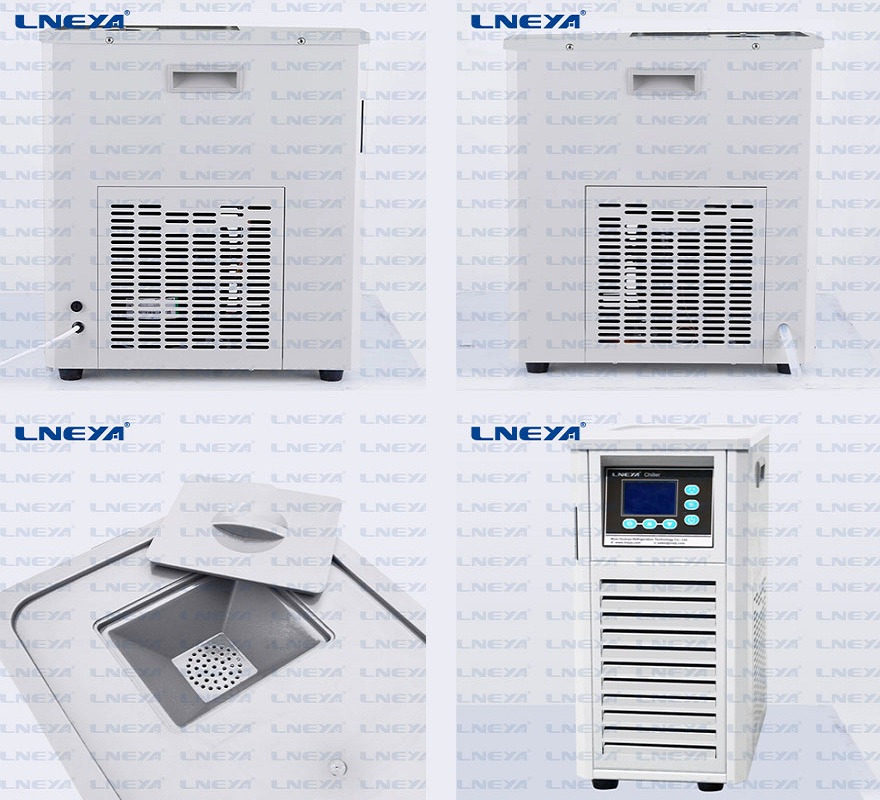
Small desktop sealed chiller troubleshooting solution
1846Small desktop sealed chillers will have more or less failures after long-term use, so how can the compressor be solved if there are some faults? LNEYA specializes in the development and production of small desktop sealed chillers with a temperatur...
Ver detalles -

¿Cómo utilizar un multímetro para comprobar los componentes de la máquina de control de temperatura de prueba de chips?
1931El controlador de temperatura de prueba de chips se utiliza para IC, CPU, GPU, DPU, BGA, FCBGA, LGA, QFN, QFP, CSP, WLCSP, Bare Die y otros dispositivos bajo prueba. Entonces, ¿cómo utilizar un multímetro para estos componentes de uso común ¿Qué pasa con las pruebas? Para los com...
Ver detalles