 工業冷水機製造商 LNEYA Taiwan



Are hydraulic chillers the same as industrial/laboratory chillers?
Hydraulic chillers are not directly equivalent to industrial chillers or laboratory chillers, but they have certain relevance and overlap in function. They are all devices used to provide cooling effects. The main difference lies in the application field and design focus.
The common point is that both emphasize precise control of temperature to meet the requirements of temperature stability in their respective application fields. They are usually equipped with temperature controllers, such as PID controllers, to achieve automatic regulation and control of the temperature of the cooling medium. Both transfer heat through heat exchangers (such as plate heat exchangers, shell and tube heat exchangers, etc.), transfer the heat generated by the equipment or system to the cooling medium, and then discharge it through the refrigeration cycle to achieve the cooling effect. Both rely on circulating pumps to drive the cooling medium (such as water or special coolant) to circulate in the system to ensure continuous heat transfer and uniform cooling.
The difference is that hydraulic chillers are mainly designed for hydraulic systems, used to cool hydraulic oil or other hydraulic media, to ensure that the hydraulic system can be kept within a suitable temperature range during operation, and to prevent problems such as efficiency loss, equipment damage or oil deterioration caused by overheating. Hydraulic chillers usually need to withstand higher pressures, and their design focuses more on system stability, pressure resistance, and cooling efficiency to meet the strict requirements of hydraulic systems for temperature control.
Laboratory chillers are equipment that is specifically used to cool laboratory equipment such as rotary evaporators, lasers, nuclear magnetic resonance instruments, mass spectrometers, and other precision instruments. This type of chiller usually emphasizes the accuracy and stability of temperature control, is relatively small in size, easy to operate, and has low noise, making it suitable for placement in a laboratory environment. Laboratory chillers may also have features such as intelligent control and low energy consumption to meet the special needs of scientific research and analytical experiments. According to the cooling method, they are divided into air-cooled and water-cooled types, which are widely used in plastic molding, laser processing, food processing, chemical industry, medicine, and other fields. Their design and configuration are based on the temperature range and cooling capacity requirements of specific industrial applications.
Therefore, although hydraulic chillers and industrial/laboratory chillers fundamentally achieve the purpose of heat exchange and temperature control through circulating cooling media, their respective application scenarios, design features, and performance requirements are different. Hydraulic chillers are more focused on the specific needs of hydraulic systems, while industrial/laboratory chillers are targeted at the broader fields of industrial production and scientific research, respectively.
Water Chiller Air Chiller Enfriador de aceite
cargando...
已经是到最后一篇内容了!
Recomendaciones relacionadas
-
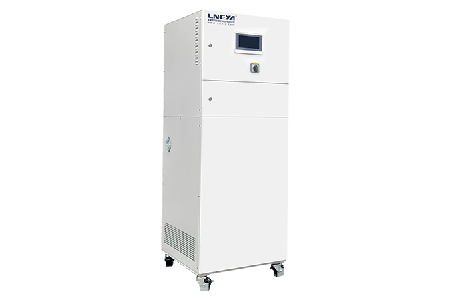
Diferencias entre enfriadores divididos y enfriadores integrados
1554Split chillers and integrated chillers differ in design, installation, noise, and cost. Compare specs to choose the right cooling solution.
Ver detalles -

Por qué utilizar refrigeradores de glicol en los sistemas de reactores de laboratorio
2017Los refrigeradores de glicol proporcionan un control estable y preciso de la temperatura de los reactores de laboratorio, garantizando la fiabilidad de las reacciones y protegiendo los equipos de la congelación y la corrosión.
Ver detalles -
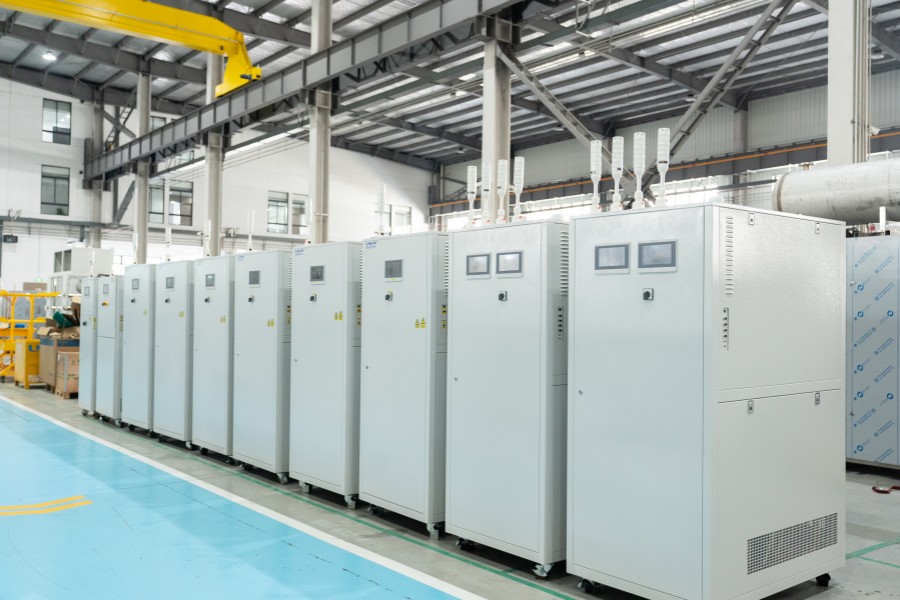
Can One Chiller Cool Multiple Machines
1201One industrial chiller can cool multiple machines when sized and controlled correctly. Learn how multi-channel chillers ensure stable, efficient cooling.
Ver detalles -
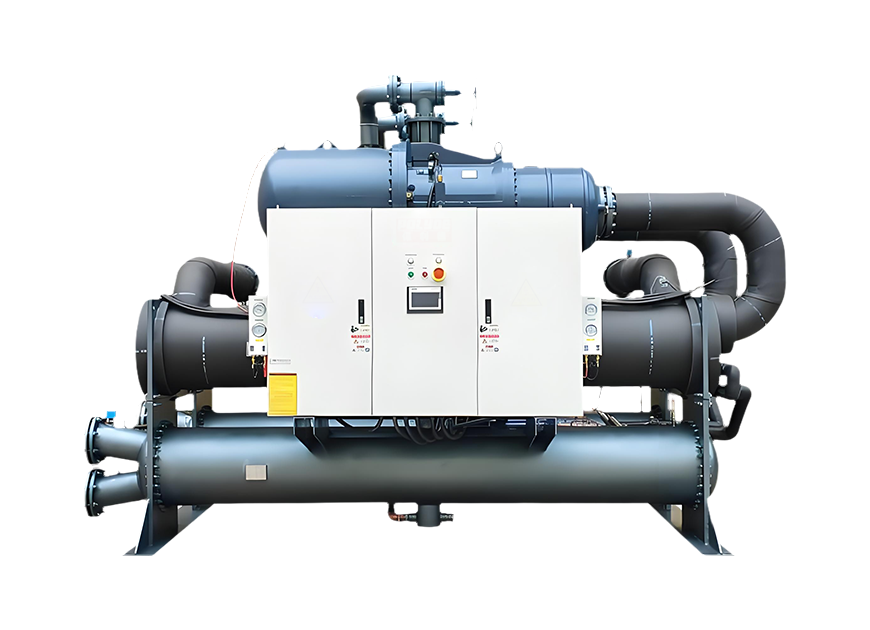
When to Choose a Screw Chiller
1593Find out when a screw chiller is the best option for your plant. Covers capacity thresholds, continuous operation, and ROI.
Ver detalles