 工業冷水機製造商 LNEYA Taiwan



Unidad de enfriamiento a baja temperatura en la producción de materiales auxiliares para catalizadores PGA
Low temperature chillers play an important role in the production reaction process of polyglycolic acid (PGA) and its catalysts and additives. The synthesis and post-treatment process of polyglycolic acid often involve exothermic reactions, requiring precise temperature control to maintain stable reaction conditions, ensure product quality, and improve production efficiency.
The following are the specific applications of low-temperature circulating chillers in this process:
Temperature Control: In the synthesis process of PGA, especially through the condensation reaction of methyl glycolate (MG), a large amount of reaction heat will be generated. The low-temperature chiller unit effectively removes excess heat generated during the reaction process by providing refrigerant to the reaction system, maintaining the temperature inside the reaction vessel within a constant and suitable range. This is crucial for controlling the polymerization rate, molecular weight distribution, and product characteristics.
Catalyst Efficiency: Some PGA synthesis routes may involve the use of catalysts, and the activity and selectivity of catalysts are very sensitive to temperature. The chiller unit can optimize the working conditions of the catalyst, improve catalytic efficiency and product yield through precise temperature control.
Post treatment and Refining: In the post-processing stage of PGA, such as devolatilization, crystallization, or dissolution, precise temperature control is also required. The chiller unit can help achieve rapid cooling, promote product crystallization or stabilize the solution state, and improve separation and purification efficiency.
Safety and Stability: When handling flammable or potentially hazardous materials, the chiller unit can also avoid safety risks caused by overheating through effective temperature management, ensuring the safety and stability of the production process.
Energy Efficiency: Modern chiller designs focus on energy efficiency, reducing energy consumption through efficient heat exchange and intelligent control strategies, meeting the needs of sustainable development and cost control.
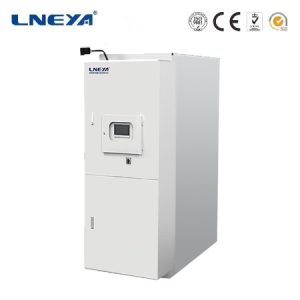
Enfriadores de baja temperatura are indispensable equipment in the production process of polyglycolic acid and its related catalysts and additives. They play a key role in maintaining temperature control accuracy, improving product quality, ensuring production safety, and enhancing energy efficiency.
Low Temp Chillers
cargando...
已经是到最后一篇内容了!
Recomendaciones relacionadas
-

What Are the Benefits of Using a Glycol Chiller
1371A glycol chiller ensures reliable low-temperature cooling, protects equipment, and maintains stable process performance in harsh conditions.
Ver detalles -
Existe un sistema de refrigeración a baja temperatura en los equipos de secado y liofilización
1634En los equipos de secado y liofilización, el sistema de refrigeración a baja temperatura es uno de los componentes centrales, crucial para lograr el proceso de liofilización. La liofilización (secado por congelación) es un método eficaz para eliminar la hume...
Ver detalles -

Refrigerador de líquido(Pila de carga)
3802Modelo CHDYL-4 -45℃~55℃ Potencia de refrigeración 4KW Precisión de control de temperatura ±1℃ Registro de temperatura en tiempo real Refrigerante Sistema de circulación de salmuera Diseño totalmente cerrado Flujo 1.8~5.5L/min Presión 0.7bar Temperatura mínima de entrada de agua 15°C ...
Ver detalles -
Sistema de control de la temperatura de refrigeración y calefacción del sistema hidráulico
1548La aplicación del sistema de control de temperatura de refrigeración y calefacción en el sistema hidráulico es muy crítica, especialmente en ocasiones en las que se requiere un control preciso de la temperatura. Este sistema puede garantizar que el aceite hidráulico se mantenga dentro de los...
Ver detalles