 工業冷水機製造商 LNEYA Taiwan



What Causes Industrial Freezer Frost Build-Up and How to Fix It
Frost buildup is a common yet easily overlooked problem in Congélateurs industriels. You might only think to check the evaporator coils when the equipment’s cooling efficiency noticeably decreases. However, this often results in downtime and lengthy maintenance.
Therefore, understanding the causes of industrial freezer frost in advance and taking routine preventative measures can save you significant trouble.
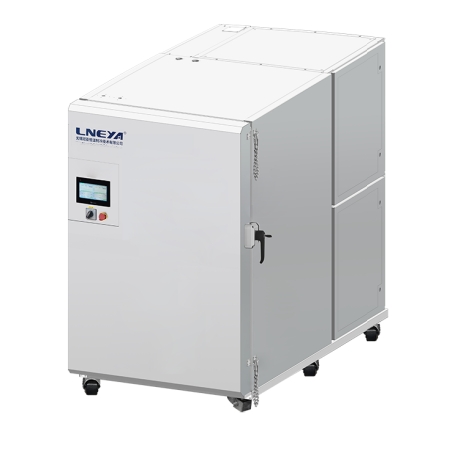
What Causes Industrial Freezer Frost Build-Up
Frost buildup in industrial freezers is typically caused by moist air ingress, uneven cooling, or a dirty evaporator.
Poor Seals
If the freezer’s seals are not good, hot air from outside the door can enter the freezer. This moisture-laden air quickly forms frost as it cools. Over time, this frost builds thicker and thicker.
Frequent Door Opening
Although freezers look similar to household refrigerators, their design is fundamentally different. Refrigerators are designed to allow for frequent access, allowing the door to be opened and closed freely. However, freezers are designed for extended periods of freezing.
If the door is opened too frequently, hot, humid air can accumulate in the freezer’s chamber. The freezer continuously removes moisture, causing layers of frost to form.
High Humidity
Many users place industrial chillers in high-humidity environments. This allows moisture from the air to easily enter the chiller through the gap between doors and windows, and accumulate on the evaporator or shelf surfaces.
Poor Airflow
Proper airflow design helps maintain uniform temperature inside the chiller. Poor airflow can occur if vents are clogged, filters are dirty, or items are improperly positioned. This can lead to uneven cooling, increasing temperature differences between different parts of the freezer, and causing some areas to cool too low, leading to frost accumulation.
Dirty Evaporator Coil
In a refrigeration system, the evaporator coil absorbs heat. If its surface is covered in dirt, it cannot transfer heat efficiently. Moisture can freeze on the coil, forming ice.
Defrost Timer or Heater Fault
Many chillers have an automatic defrost function. After the automatic defrost timer is set, the heating element activates periodically to melt frost on the evaporator coil. If either the timer or heater is faulty, the defrost function will fail.
How to Prevent Frost Build-Up in Industrial Freezers
If you operate your freezer strictly according to the manual and perform regular maintenance, you can completely prevent frost buildup.
Check the Door Seals Regularly
Every few months, check the seals for cracks, tears, or wear. If these problems are present, replace the seals immediately. If you’re unsure about the seal’s tightness, place a piece of paper between the seals and close the door. If the paper comes out easily, it’s time to replace the seals.
Control the Frequency of Door Openings
Limiting the frequency of door openings is essential. This not only reduces frost buildup but also saves energy. If you’re concerned that staff won’t be able to close the door properly, consider installing an automatic door closer or door alarm.
Control Humidity
If the humidity in the freezer’s space is too high, install a dehumidifier.
Maintain Proper Airflow
Do not block vents or airflow paths, either inside or outside the unit.
Clean the Evaporator Coil Regularly
Use a soft brush or vacuum to regularly remove dirt and debris from the evaporator. For a deeper clean, use a freezer-friendly coil cleaning solution.
Maintaining the Defrost Cycle
To ensure the defrost timer and heater are functioning properly, it’s important to check them regularly. If you notice frost accumulating more quickly than before, it may mean replacing the defrost components.
Conclusion
Preventative maintenance is always easier than shutting down the unit after frost builds up. If you’d like to learn more about freezers or receive a detailed quote for a custom freezer tailored to your application, feel free to contact LNEYA for support.
Articles récents
- Clean Room Temperature Control
- Data Center Cooling System
- Power Electronics Cooling
- Feedback Control System
- Electronic Expansion Valve
- R32 vs R410A
- Fabrication de semi-conducteurs
- Circulateur réfrigéré
Catalogue
- juillet 2026
- juin 2026
- décembre 2025
- novembre 2025
- octobre 2025
- septembre 2025
- août 2025
- juillet 2025
- juin 2025
- mai 2025
- mars 2025
- février 2025
- janvier 2025
- décembre 2024
- novembre 2024
- octobre 2024
- septembre 2024
- août 2024
- juillet 2024
- juin 2024
- mai 2024
- avril 2024
- mars 2024
- février 2024
- septembre 2023
- juillet 2023
- juin 2023
- mai 2023
Étiquette
refroidisseur à air refroidisseur chiller cooling capacity Refroidisseur-chauffeur Installation d'un refroidisseur Chiller Maintenance chiller refrigerant refroidisseurs Dépannage du refroidisseur refroidisseur d'eau système de refroidissement custom chiller Réacteur en verre double couche système de contrôle dynamique de la température refroidisseur écoénergétique refroidisseur antidéflagrant refroidisseur au glycol circulateur de chauffage Chiller de récupération de chaleur refroidisseur industriel Refroidisseurs industriels refroidissement industriel congélateur industriel réacteur à double enveloppe refroidisseur de laboratoire liquid cooling Refroidisseur de refroidissement liquide nouvelles refroidisseur d'huile refroidisseur pharmaceutique refroidisseur de processus refroidissement de processus process cooling system refroidisseur de réacteur refroidissement du réacteur chauffage du réacteur refroidissement système de réacteur refroidisseur à vis Refroidisseur pour semi-conducteurs refroidisseur pour tests de semi-conducteurs contrôle de la température refroidisseur pour essais de véhicules refroidisseur d'eau refroidisseur à eau
Contactez-nous