 工業冷水機製造商 LNEYA Taiwan



How to choose the optimal chiller solution?
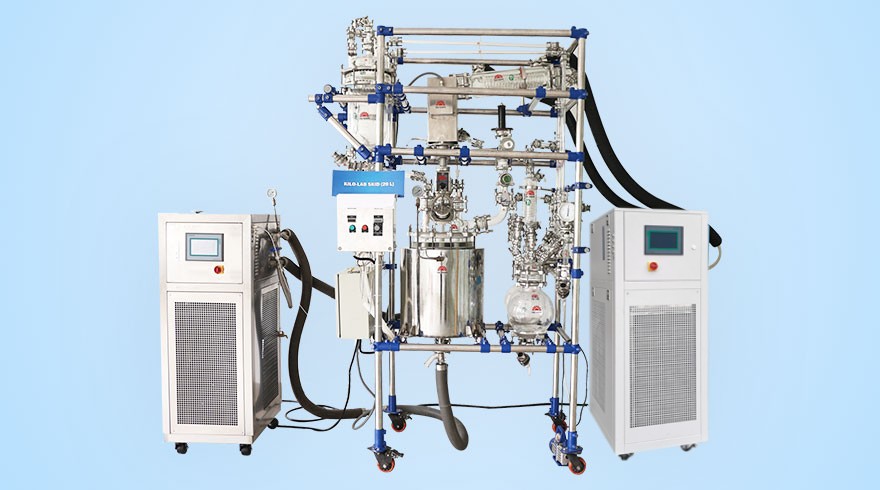
Choosing a water chiller is like finding a “target” for an enterprise’s production equipment. It must not only be “like-minded”, but also “be well-matched”. The one that suits you is the best. If the choice is not good, either the cooling effect is not ideal, or energy is wasted, and other problems will appear.
First consider the actual situation of your own business, starting from six points:
1. The relationship between temperature difference and flow rate
How much material, how long does it take to cool down to how many degrees? In this way, the temperature difference of ice water required for cooling will be formed. The temperature difference of ice water is generally 3°C-5°C, but sometimes it may be 1°C-2°C. As far as the temperature difference is concerned, the smaller the temperature difference, the more ice water flow is needed to take away the same amount of heat, otherwise the less ice water flow is required.
2. Consider the solution with the least energy consumption
Energy consumption refers to electricity consumption. Especially when selecting a large industrial chiller, the comprehensive utilization and balance of electricity, heat and cold should be fully considered.
3. Refrigeration and stand-alone cooling capacity
The cooling capacity of the chiller is directly related to the energy consumption and operating economic effect of the whole unit, which is worth noting. For example, your production line requires stable and continuous refrigeration. Generally, there is no single chiller. When a chiller fails or is shut down for maintenance, other chillers are required to replace it. A reasonable number of units should be selected in combination with the production situation.
4. Are there any requirements for environmental protection?
There will be noise when the chiller is running, and the noise value will increase or decrease with the size of the chiller; some refrigerants used in chillers are toxic, pungent, flammable and explosive; some refrigerants will destroy the ozone layer in the atmosphere, When it reaches a certain level, it will pollute the air environment.
5. Cooling water quality requirements
The water quality of the cooling water will affect the cleanliness of the pipeline, especially the evaporator. Poor cooling water quality will accelerate the scaling and corrosion of the pipeline. This will not only affect the reduction of the cooling capacity of the industrial chiller, but also lead to replacement The heat pipe is clogged and damaged.
6. Explosion-proof and other special requirements
Chillers often work in harsh conditions and are often exposed to special substances such as flammable and explosive gases. When selecting a model, it is necessary to know whether the working environment of the chiller is an inflammable and explosive environment, whether it can be treated with explosion-proof treatment, and what is the explosion-proof level , and match the most suitable chiller scheme after comprehensive refrigeration demand.
The above are 6 considerations for choosing a chiller solution in the industry. You can also directly send the process temperature control requirements to sales@lneya.com. Our technical engineers will calculate the process parameters, determine the most suitable chiller model and send the equipment information and quotation to the customer.

Recommandations connexes
-
About 60p Refrigerated chiller energy consumption is too large
2484The performance of 60p Refrigerated chiller of different manufacturers is different, and the energy consumption is also different. If the energy consumption of 60p Refrigerated chiller is too large, it is necessary to check in time to see if ther...
Voir les détails -
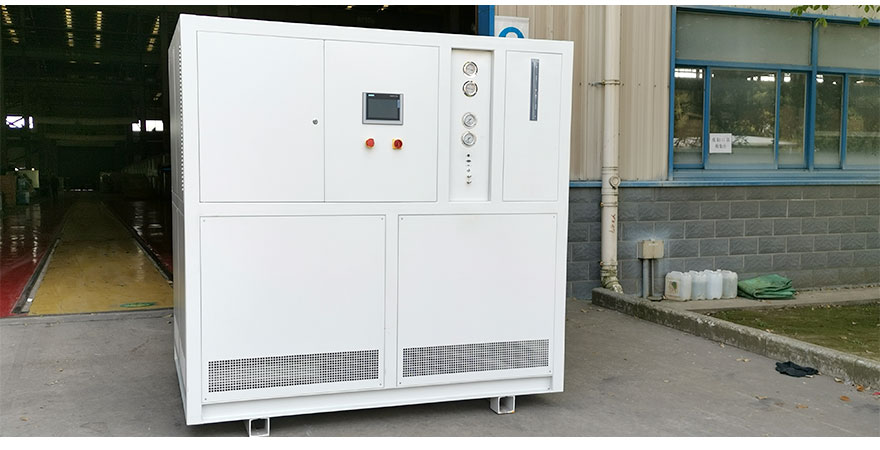
Système de contrôle de la température de la machine de revêtement par dépôt en phase vapeur - système d'eau de refroidissement
2164L'objectif principal de la machine de revêtement par dépôt de vapeur est de réaliser des expériences scientifiques et des recherches sur le processus de formation des films. Elle est composée d'une chambre de réaction à tube de quartz, d'une armoire de four à bouclier thermique, d'un système de contrôle électrique, d'un ...
Voir les détails -

Unité de contrôle de la température du réacteur TCU avec boucle de contrôle PID
2173L'unité de contrôle de la température de la bouilloire LNEYA adopte une boucle de contrôle PID, qui a des applications dans de nombreux domaines. L'unité de contrôle de la température de la bouilloire de réaction tcu de la boucle de contrôle PID adopte un système de réfrigération à cycle entièrement fermé, avec fa...
Voir les détails -
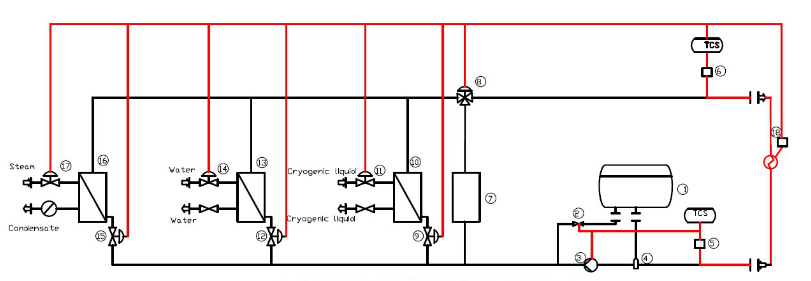
Chemical synthesis process control system temperature control system TCU
2137Today, let's talk about our DCS integrated control system (temperature and other control of synthetic process). Scalability: the system is an open system, which provides standard TCP / P data communication interface protocol, interface software an...
Voir les détails