 工業冷水機製造商 LNEYA Taiwan


Qué factores afectan la capacidad de enfriamiento de los enfriadores
1738Factors like environment, load, refrigerant, and maintenance affect chiller cooling capacity. Learn how to keep performance stable.
Ver detallesBuscar en toda la estación
Factors like environment, load, refrigerant, and maintenance affect chiller cooling capacity. Learn how to keep performance stable.
Ver detalles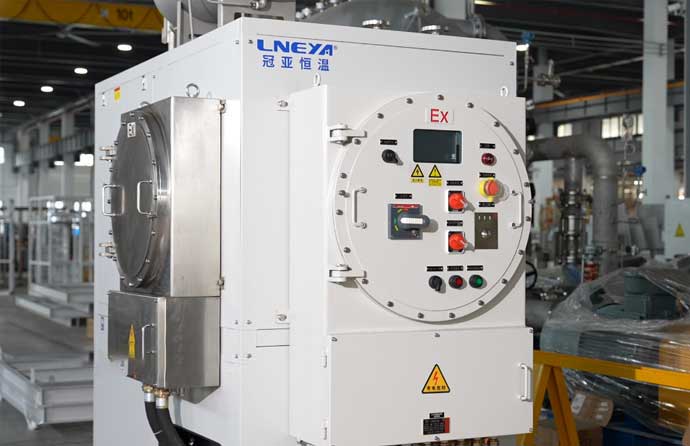
Explosion isolation chillers seal electrical parts to prevent sparks in hazardous areas, ensuring safe cooling for chemical, pharma, and oil sites.
Ver detalles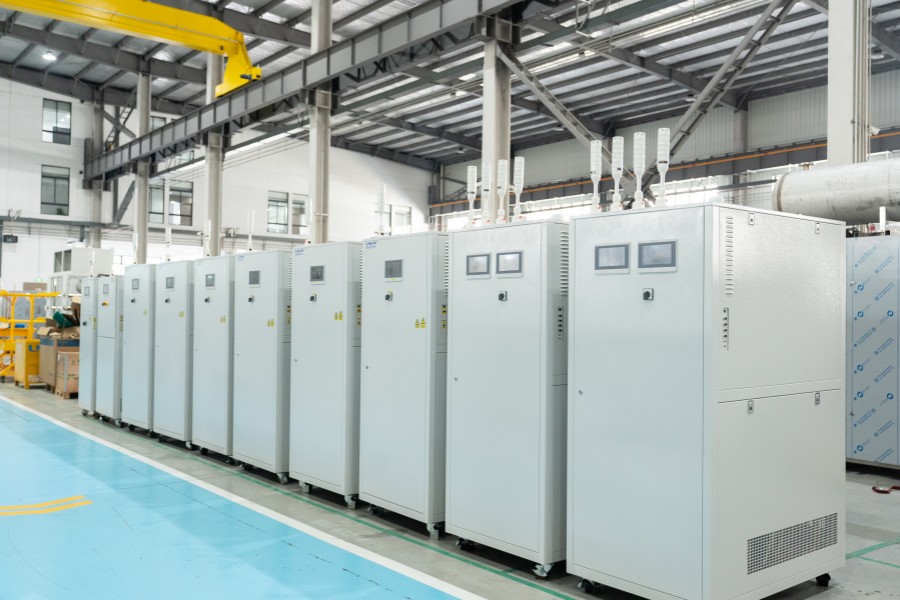
Chiller specifications like cooling capacity, temperature range, flow rate, and compressor type directly impact uptime, efficiency, and product quality.
Ver detalles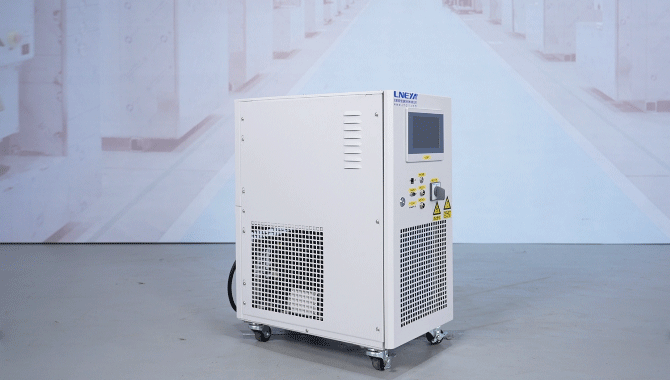
Portable chillers suit small, flexible setups, while central chillers serve large plants with higher efficiency. Learn key differences before choosing.
Ver detalles
Chillers generate cold water for precise cooling below ambient, while heat exchangers passively transfer heat between fluids without mixing.
Ver detalles
Chiller and chiller heater systems differ in function, cost, and temperature range. Compare both to choose the best cooling and heating solution.
Ver detalles
Split chillers and integrated chillers differ in design, installation, noise, and cost. Compare specs to choose the right cooling solution.
Ver detalles
Aging test chambers simulate long term wear in controlled conditions, helping engineers evaluate reliability of materials, electronics, and coatings.
Ver detalles
Water cooled chiller lifespan typically runs 15–20 years. Proper maintenance, operation, and water treatment extend performance and reliability.
Ver detalles
Compare industrial chillers and DX systems to find the best cooling solution for your facility with efficiency, precision, and scalability.
Ver detalles