 工業冷水機製造商 LNEYA Taiwan



4 Types of Refrigeration Systems: Which One Fits Your Facility
ほとんどの人が冷却について考えるとき、最初に思い浮かべるのは冷蔵庫やエアコンです。しかし、冷却システムはほぼ至る所に存在します。果物でいっぱいの冷蔵倉庫、サーバーが積み重なったデータセンター、化学プラント内の冷却ループ、家庭用の小さなワインクーラーでさえ — すべていくつかの基本技術に依存しています。
エンジニアは、不要な用途から熱を除去するために、四つの主要なアプローチを使用します:圧縮システム、吸収システム、蒸発冷却、熱電方式。
各アプローチは異なる業界やシナリオに適用可能です。新しいプロジェクトにどのシステムが最適かを検討している場合、それぞれを包括的に理解することで、正しい選択を行う助けになります。
圧縮式冷却システム
圧縮冷却は最も一般的な冷却方式で、直接膨張式チラーやVFDチラーで広く使用されています。圧縮機を使用して冷媒を圧縮し、蒸発器と凝縮器の間で循環させることで冷却を実現します。
圧縮冷却システムの核心プロセスは4つの主要なステップで構成されています。圧縮機は蒸発器から低圧冷媒ガスを吸入し、圧力と温度を上げて熱を放出する準備をします。
ガスは次に凝縮器に入り、空気や水に熱を放出して液体に凝縮されます。液体が膨張弁を通過すると、その圧力と温度はさらに低下します。
蒸発器に入ると、熱交換器の反対側の熱い冷却液または空気と接触し、熱を吸収して再びガスに変化し、圧縮機に吸い込まれます。
これは非常に成熟した効率的な冷却技術であり、ほぼすべての産業用チラー、空調システム、およびデータセンターや半導体チラーアプリケーションの主要冷却設備に使用されています。しかし、いくつかの制約があります。
ほとんどの圧縮チラーは電力で動作し、VFD技術を使用するものでもかなりのエネルギーを消費します。さらに、圧縮機は運転中に騒音を発生するため、居住・作業区域から離れた場所に設置する方が適しています。

吸収式冷却システム
圧縮式冷却システムとは異なり、吸収式冷却システムは圧縮機を駆動するために電力に依存しません。代わりに、吸収液と冷媒の循環を駆動するために熱エネルギーを使用します。
蒸発器では、冷媒が環境またはプロセスから熱を吸収して気体に蒸発し、その後吸収液に吸収されます。一般的な吸収液は水-ブロム化リチウムおよびアンモニア-水です。
冷媒ガスを吸収した溶液は、発生器または加熱器に入り、ガス、蒸気、または温水で加熱され、冷媒ガスを吸収液から分離します。この時点でガスは高温・高圧状態です。その後、冷媒ガスは凝縮器に入り、熱を放出して液化し、蒸発器に循環します。これで冷却サイクルが完了します。
ガスチラーを紹介した際、吸収式チラーは廃熱やガスを暖房に利用でき、さらに廃熱回収でプロセス用水や空間暖房に利用できることを学びました。そのため、エネルギー節約と環境保護は吸収式冷却システムの大きな利点です。
しかし、圧縮式冷却システムと比較すると、吸収式チラーの性能係数(COP)は低く、サイズも大きいため、より多くのスペースが必要です。そのため、吸収式チラーは一般的に、廃熱回収が可能な大型冷却システム、例えば発電所やプロセス冷却用途で使用されます。
蒸発式冷却システム
As we all know, water absorbs heat from the surrounding environment when it evaporates. Evaporative refrigeration systems utilize this principle, lowering the temperature of air or liquid by absorbing heat during evaporation. They lack complex compressors and high-pressure circuits, relying instead on the flow and heat exchange structure between water and air to improve heat exchange efficiency.
Water can be evenly distributed on the surface of the object requiring heat exchange through spraying or cooling pads. When air flows over the moistened surface, the water molecules absorb heat from the air and the surface, evaporating. This lowers the air and object temperatures. Any remaining water can be recovered and recycled.
This method is limited by climate and water availability. However, it consumes very little energy and is environmentally friendly. Therefore, it is commonly used in industrial cooling towers, agricultural greenhouses, and data centers.
Thermoelectric Cooling System
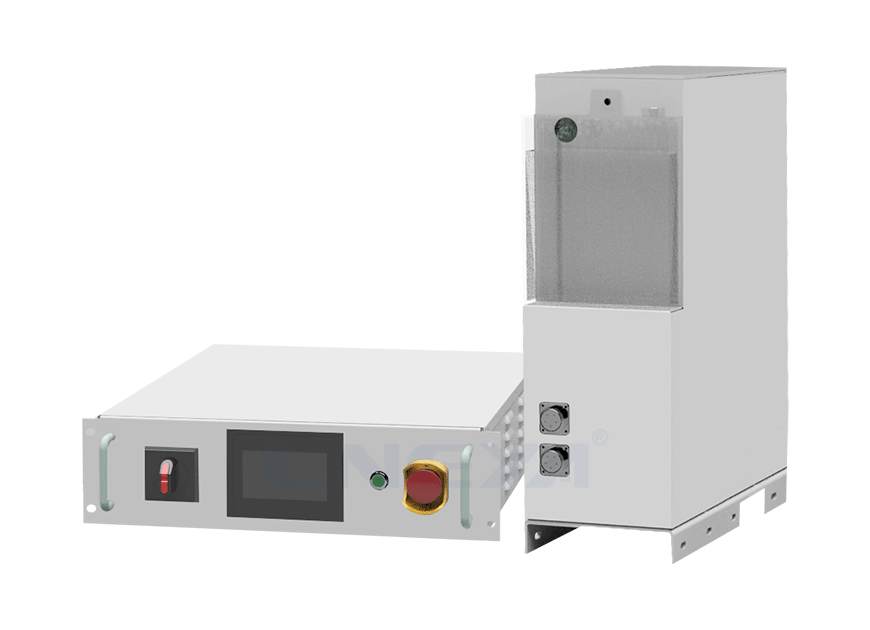
A thermoelectric cooling system uses the thermoelectric effect to convert heat into cold. Its core component is the Peltier module.
When direct current passes through a Peltier module, electron flow transfers heat. The temperature on one side of the module drops, while the temperature on the other side rises.
At this point, a heat sink removes the heat from the hot side, keeping the cold side cool. A cooling plate then transfers the cold side’s temperature to the object to be cooled, achieving cooling.
This cooling method does not require mechanical components such as refrigerants and compressors, resulting in a smaller device size and suitable for space-constrained environments such as ラボラトリーズ, automobiles, and medical offices.
However, the cooling power of a single module is typically only a few tens of watts, limiting cooling capacity and significantly lower efficiency than compression refrigeration systems. Furthermore, high-performance thermoelectric materials and modules are expensive.
Comparison Table of Four Refrigeration Systems
The following table provides a clear comparison of the four major types of refrigeration systems, highlighting their principles, costs, performance, and typical applications.
| カテゴリー | Vapor Compression | Absorption | 蒸発式 | Thermoelectric |
| 動作原理 | Compressor circulates refrigerant | Heat-driven, absorbent + refrigerant cycle | Water evaporation absorbs heat | Peltier effect with DC current |
| 効率性 | Medium to high, less at part load | Low to medium, COP < compression | High, but drops in humid climates | Low, good for small-scale precise cooling |
| Energy Source | Electricity | Heat (gas/steam/waste heat) | Water + fan power | DC electricity |
| System Size | Medium to large | Large | Medium to large | Small |
| 初期投資 | ミディアム | 高い | Low to medium | ミディアムハイ |
| 営業費用 | High electricity cost | Low if waste heat used | High water use, low power use | High electricity cost |
| メンテナンス | Medium, compressor upkeep | High, solution control needed | Low, water quality issues | Low, minimal electronics care |
| メリット | Mature, reliable, widely used | Energy-saving, uses waste heat | Eco-friendly, low cost | Precise, silent, no refrigerant |
| Disadvantages | Noisy, power dependent | Bulky, lower efficiency | Climate-dependent | Low capacity, poor efficiency |
| 代表的なアプリケーション | Chillers, HVAC, data centers | Large buildings, trigeneration | Cooling towers, greenhouses, factories | Medical devices, labs, electronics cooling |
| 環境への影響 | Medium, refrigerant dependent | High, no CFCs/HFCs | High, refrigerant-free | High, refrigerant-free |
結論
The most suitable refrigeration system is never the one with the best performance, but rather the one that matches your application. If you’re struggling to choose one of the four systems above, our refrigeration experts can help.
LNEYA offers a wide range of compression refrigeration equipment and Peltier cooling systems, from standard equipment to カスタマイズ・サービス. We can provide the most suitable solution tailored to your needs.
最近のブログ
- Clean Room Temperature Control
- Data Center Cooling System
- Power Electronics Cooling
- Feedback Control System
- Electronic Expansion Valve
- R32 vs R410A
- 半導体製造
- 冷凍サーキュレーター
カタログ
- 2026年7月
- 2026年6月
- 2025年12月
- 2025年11月
- 2025年10月
- 2025年9月
- 2025年8月
- 2025年7月
- 2025年6月
- 2025年5月
- 2025年3月
- 2025年2月
- 2025年1月
- 2024年12月
- 2024年11月
- 2024年10月
- 2024年9月
- 2024年8月
- 2024年7月
- 2024年6月
- 2024年5月
- 2024年4月
- 2024年3月
- 2024年2月
- 2023年9月
- 2023年7月
- 2023年6月
- 2023年5月
タグ
空冷チラー チラー チラーの設置 チラーメンテナンス chiller refrigerant チラーズ チラーのトラブルシューティング 冷却チラー 冷却システム 動的温度制御システム 省エネチラー 防爆チラー 暖房用サーキュレーター 工業用冷凍機 工業用冷凍機 工業用冷却 工業用冷凍庫 ジャケットリアクター ラボ用チラー liquid cooling ニュース プロセスチラー プロセス冷却 process cooling system リアクターチラー 原子炉冷却 原子炉加熱冷却 リアクターシステム スクリューチラー 半導体チラー 半導体テストチラー 温度調節 車両試験用冷凍機 ウォーターチラー 水冷チラー
お問い合わせ
関連チラー
お問い合わせ
TEL
EMAIL:
WeChat と WhatsApp:

ウィーチャットQR

ご質問やお見積もりが必要ですか? 下記のフォームにご記入いただくと、24時間以内に当チームからご連絡いたします。