 工業冷水機製造商 LNEYA Taiwan



Introduction to mixed solution of glycol chilling systems (glycol chillers)
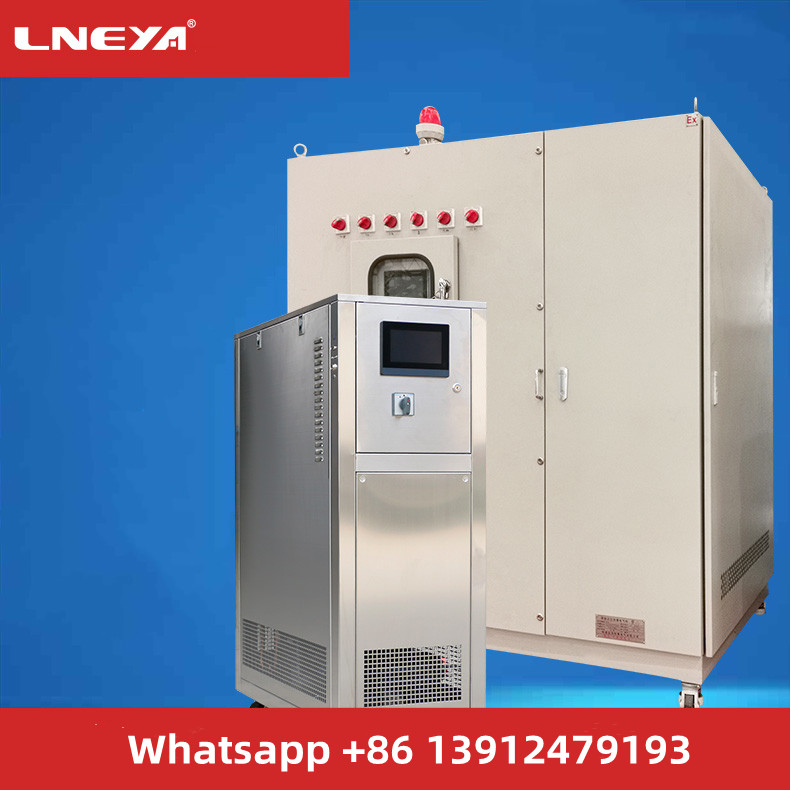
Glycol chillers are industrial refrigeration systems that use a type of antifreeze called glycol, mixed with water, to lower the freezing point in the application of the chilling system.
Glycol is a class of organic compounds that belong to the alcohol family. When mixed with water and pumped through the pipes of a chilling system, glycol serves to slow the rate of freezing. It helps maintain temperature consistency in the application. Some glycol products also work to inhibit corrosion and bacterial growth within the pipes of the chilling system.
Glycol comes in two varieties that should never be mixed together: ethylene glycol and propylene glycol. Both types offer the same relative level of freeze protection. Both also help to guard against corrosion. Some grades of both types of glycol also help to prevent the growth of algae and bacteria within the chiller.
Ethylene glycol is a moderately toxic chemical that has a sweet taste and can be harmful if swallowed. For this reason, it should not be used in potable water or food processing systems when leakage is a possibility. Ethylene glycol has more widespread use due to its lower purchase price. Industrial applications like ice rinks and factories requiring large volumes of the coolant find this to be the most economical choice of glycol.
Mixing Water with Glycol in Your Industrial Refrigeration System
Although you should never mix glycol types there is something that should always be added: water. As mentioned, glycol must be mixed with water to function properly. The type and amount of water to use are key factors to consider.
Ratio of Water to Glycol to Use
Calculating the proper ratio of glycol to water in your chilling system depends on the coldest temperature that the glycol solution will reach during operation. If a chilling system is used indoors where there is no chance of freezing, the amount of glycol needed would be significantly less than required by a glycol chiller used outdoors where temperatures are prone to drop below freezing. Also, if an application requires a very low temperature to operate it should use a glycol mixture similar to that of an outdoor system. In a chilling system, this temperature is normally the saturated suction temperature in the evaporator, and normally this temperature is 10°F below the chiller set point temperature. Using the proper ratio of glycol and water in your chilling system is very important. Adding too much to your chiller system will cause it to become inefficient. However, not enough glycol could cause the system to freeze up, potentially bursting pipes or even rupturing the chiller evaporator.
To learn more about how a グリコールチラー works, contact LNEYA: sales@lneya.com.
関連推奨品
-

バッテリーテストチラー運転蒸発温度の説明
2229現在の新エネルギー自動車バッテリー試験装置では、より多くのバッテリーを使用してチラー蒸発温度をテストすると、装置に一定の影響を与えるが、具体的な影響は何ですか?バッテリー試験用冷凍機の熱負荷が増加した場合...
詳細を見る -
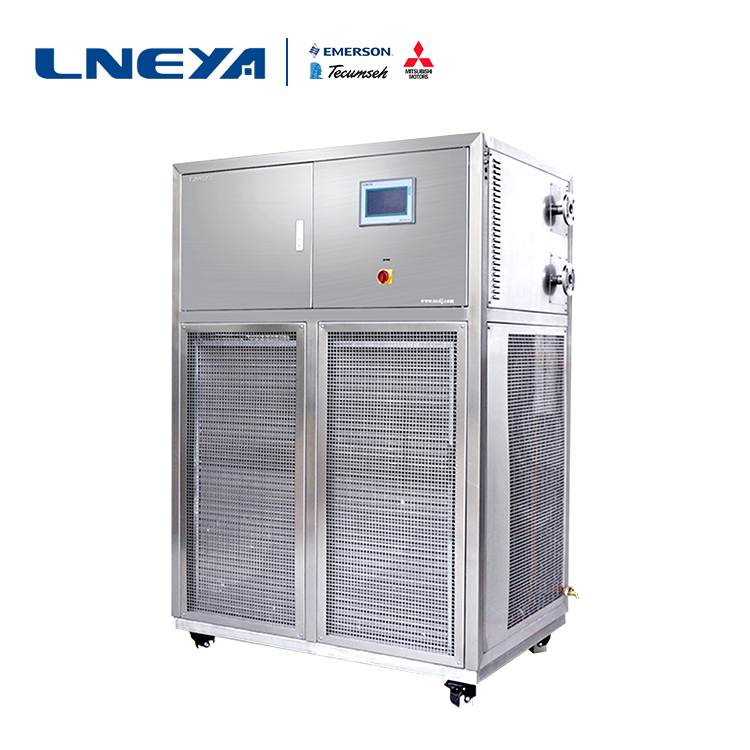
半導体水冷温度制御プラットフォームのスロットルコンポーネント
2177The throttling component of the semiconductor water-cooled temperature control platform is one of the four major components that are indispensable for the refrigeration system. Its function is to reduce the pressure of the high-pressure liquid com...
詳細を見る -
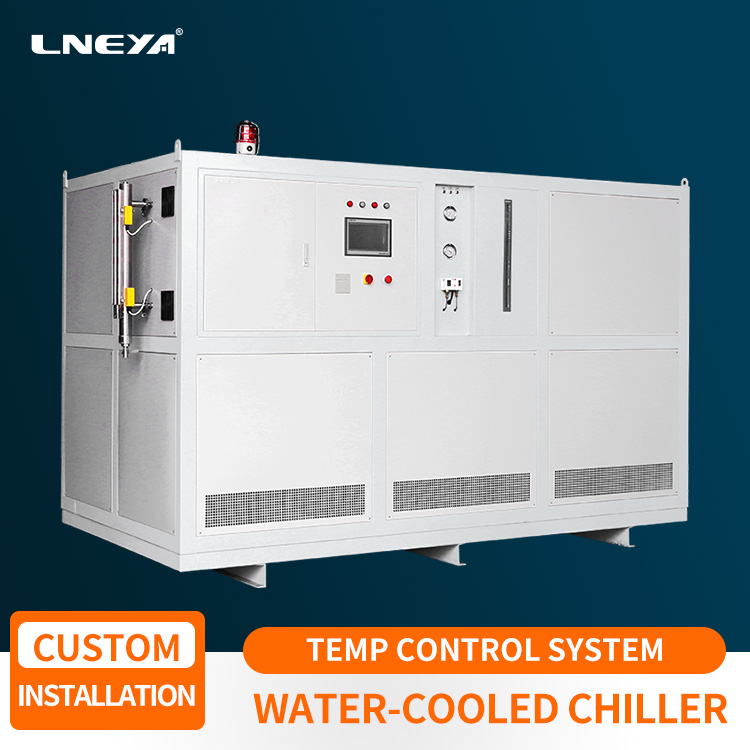
超低温チラーのエバポレーターを選ぶ際に注意すべき点は何ですか?
1935The evaporator in the ultra-low temperature chiller is one of its four major components, so performance is more important. The selection of ultra-low temperature chillers needs to pay attention to the influence of liquid level on the evaporation t...
詳細を見る -

リチウム電池試験用冷却・加熱循環装置使用上の注意事項
1930専門的な実験補助器具として、リチウム電池試験用冷却加熱循環装置は、冷源と熱源の循環供給端であり、動作範囲が広い。リチウム電池試験用冷却・加熱循環装置は、冷熱源と熱源の循環供給端であり、使用範囲が広い。
詳細を見る