 工業冷水機製造商 LNEYA Taiwan



Laboratory Recirculating Chillers: Essential Temperature Control Solutions for Modern Laboratories
Temperature is one of the most important variables in any laboratory environment. Temperature fluctuations can directly affect experimental accuracy, equipment performance, and data reliability. Even small temperature deviations can lead to inconsistent results, reduced repeatability, and unexpected equipment downtime.
This is also the reason why laboratory 재순환 냉각기 have become an important part of modern laboratory infrastructure. By providing stable and continuous cooling, these systems help maintain precise operating temperatures for instruments, processes, and research applications.
What Is a Laboratory Recirculating Chiller
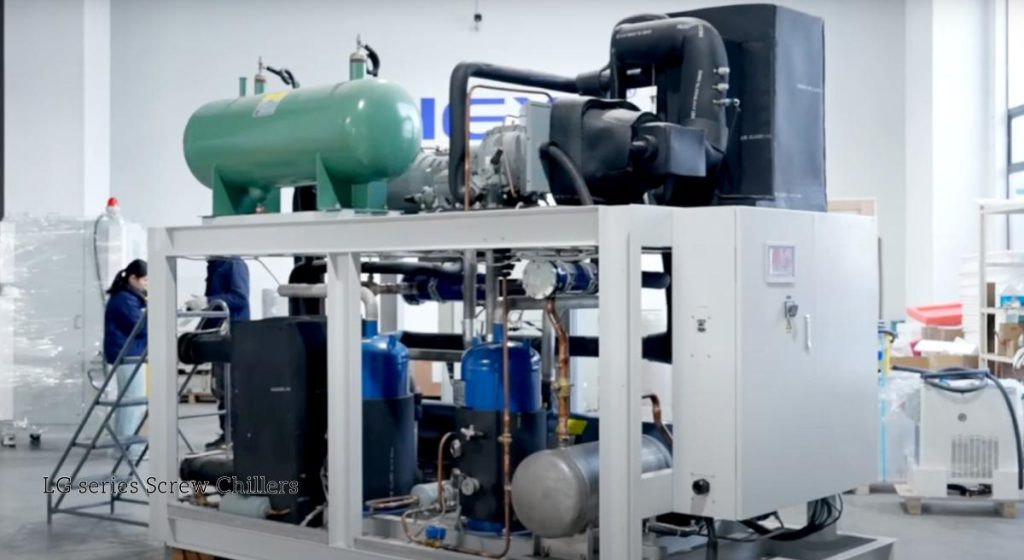
A laboratory recirculating chiller is a temperature control system designed to remove heat from laboratory equipment and processes. It continuously circulates a cooling fluid through a closed-loop system, absorbs heat from the application, and transfers that heat to the environment through a refrigeration cycle.
Key Components of a Laboratory Recirculating Chiller
A laboratory recirculating chiller includes a compressor, evaporator, condenser, circulation pump, temperature sensors, expansion device, and intelligent controller. These components work together to deliver accurate cooling performance.
Modern systems often include PID control algorithms, touchscreen interfaces, remote monitoring functions, and high-precision temperature sensors to improve temperature stability and operational convenience.
Why Precise Temperature Control Matters in Laboratories
Improving Experimental Accuracy
Many laboratory experiments are highly sensitive to temperature changes. Chemical reaction rates, sample stability, material properties, and measurement accuracy can all be affected by temperature fluctuations. The recirculating chiller can maintain a stable thermal environment, helping you obtain more accurate and repeatable experimental results.
민감한 장비 보호
Many laboratory instruments generate significant heat during operation. Excessive heat can shorten equipment lifespan, affect calibration accuracy, and increase the risk of component failure. Stable cooling provided by a laboratory chiller helps protect valuable laboratory assets and reduce maintenance costs.
Supporting Long-Term Testing
Some research projects require continuous operation for several hours, days, or even weeks. Temperature drift during these tests can compromise data quality. The recirculating chiller maintains stable temperature control accuracy throughout the entire testing cycle, ensuring continuous and reliable operation for long-term experiments.
It prevents test interruptions caused by temperature instability, allowing researchers to focus more on their experimental research without frequent manual adjustments to temperature parameters.
Key Performance Parameters to Consider
온도 범위
Different laboratory applications require different operating temperatures. Some applications only need cooling near room temperature, while others require sub-zero conditions.
Temperature Stability
Temperature stability is often more important than temperature range. High-precision applications may require stability levels of ±0.1°C, ±0.05°C, or even better.
냉각 용량
The cooling capacity determines how much heat the system can remove. Selecting an adequate cooling capacity helps ensure that the equipment operates stably under the maximum heat load.
Pump Flow and Pressure
Different laboratory instruments require different flow rates and pressure levels. Matching these parameters to your application is essential.
Maintenance Best Practices
Regular maintenance is essential for maintaining long-term performance. Periodically inspecting filters, pumps, heat exchangers, coolant, and sensors helps prevent efficiency degradation and unexpected downtime. Regularly cleaning dust and debris from condensers ensures effective heat dissipation and prevents reduced cooling capacity due to poor heat exchange.
Check the sealing condition of circulation piping regularly and replace aged seals promptly to avoid leaks or air ingress that could affect pump stability. Temperature sensors should also be calibrated periodically to ensure accurate temperature monitoring and control, preventing errors caused by sensor drift.
Additionally, record details of each maintenance session and the equipment’s operating status to enable early detection of potential issues and extend the overall service life of the equipment.
결론
Laboratory recirculating chillers have become essential tools for maintaining stable temperatures, protecting sensitive equipment, and ensuring accurate experimental results.
If you are looking for a high-performance laboratory recirculating chiller or a complete temperature control solution, LNEYA offers a wide range of precision cooling and temperature control systems designed for demanding laboratory and research applications. Contact the LNEYA team to find the right solution for your laboratory and achieve reliable, accurate, and efficient temperature control.
귀하의 공정에 맞는 맞춤형 냉각 솔루션이 필요하신가요?
자주 묻는 질문
문의하기
TEL:전화
이메일: 이메일
WeChat 및 WhatsApp:

Wechat QR