 工業冷水機製造商 LNEYA Taiwan



Analysis of the work and industry application of the chiller
Although there are many different types of chillers, most use the same cooling principle. An important part of the process is the coolant or refrigerant, which holds more heat than water and helps maintain an efficient cooling process. Heat is removed from the coolant and released into the air. The concept of a cooler is based on the principle that cooling involves removing heat from a process and releasing it into the air.

All chillers have condensers, compressors, expansion valves and evaporators for circulating fluid or refrigerant. The process of the cooler is designed to convert the refrigerant from liquid to vapor and then back to liquid. The refrigerant removes the heat from the process in the form of vapor. When it returns to liquid state through the compressor and condenser, it circulates through the system to capture heat from the process or operation.
On a manufacturing floor, when equipment is fully operational, temperatures can rise rapidly, creating an unsuitable work environment. To keep employees safe, industrial operations use coolers to keep working conditions at the right temperature. By adding an air handler, the chiller can cool the work area with cool air, just like an air conditioner. Depending on the building, air-cooled chillers can be installed on top of the building or inside.
Pharmaceutical:
Pharmaceuticals use chilled water in the manufacturing process and require precise temperature control. Chillers have the accuracy and precision of a chilled process and can be central process chillers or compact process chillers. The four basic types of pharmaceutical chillers are reciprocating, screw driven, centrifugal and absorption.
industry:
Industrial operations generate heat through the use of friction, high-power equipment, and furnaces or ovens. To extend the life of heavy equipment, chillers circulate cooling liquid through the equipment to maintain efficiency and productivity.
Water-cooled chillers:
Water-cooled chillers are often combined with cooling towers and use a condenser water treatment system to remove mineral deposits. The cooling tower sends water to the chiller for cooling.
Air-cooled chillers:
Air-cooled chillers are used where discharge is not an issue. It absorbs heat from the water and transfers it to the air: first, the heat of the circulating chilled water is absorbed in the evaporator, then the refrigerant condenses in the condenser and releases the heat into the air.
저온 냉각기:
Low temperature chillers are suitable for industries that operate below freezing and require chillers capable of producing – 40° F (-40° C) temperatures. They are used in ice rinks, petrochemical cooling, chemical extraction, medical, pharmaceutical and food processing industries, as well as in product testing laboratories.
관련 추천
-
냉각판 냉동고의 적용
1762냉판 냉동고의 냉동 시스템은 급속 냉동 및 낮은 제한 온도를 가진 2 차 과냉각기 기술을 채택합니다. 그것은 수입 브랜드 이름 반밀폐 피스톤 압축기, 반밀폐 피스톤 복합 압축을 사용합니다 ...
세부 정보 보기 -

How to solve the shortage of cooling in the semiconductor cooling cycle system
2092The semiconductor cooling cycle system is a device for cooling the semiconductor heat-generating part in the refrigeration equipment. If the cooling capacity of the LNEYA semiconductor cooling circulation system is insufficient during operation, i...
세부 정보 보기 -
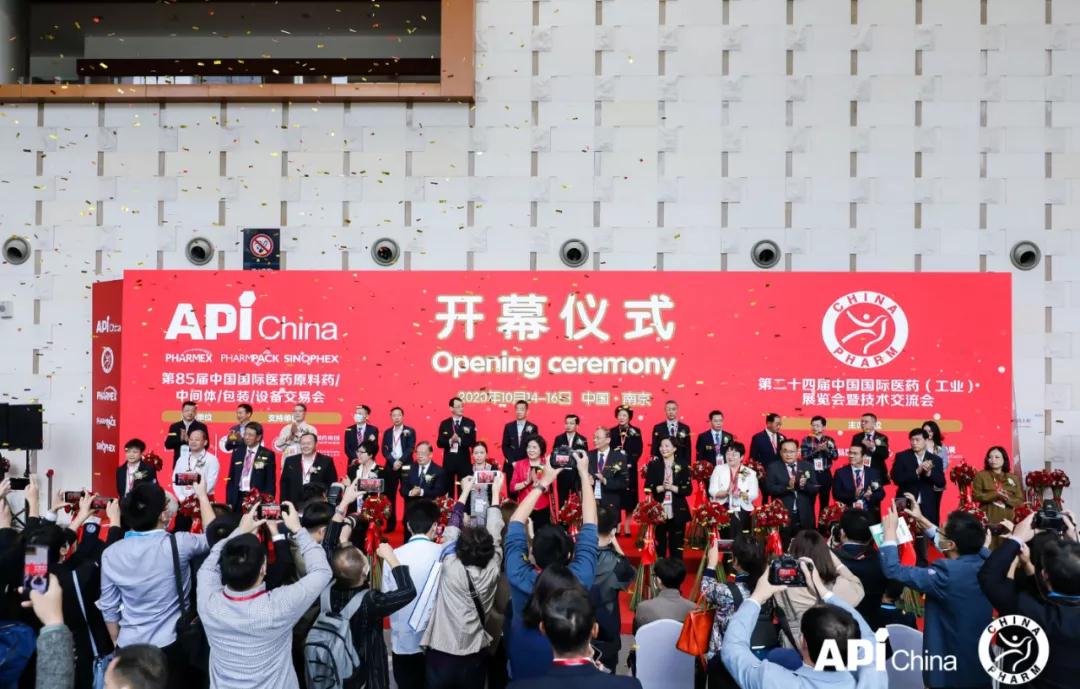
API exhibition LNEYA is brilliant
2289On October 14, 2020, the 85th China International Pharmaceutical Raw Materials/Intermediates/Packaging/Equipment Fair (API China for short) was grandly opened at Nanjing International Expo Center. The exhibition site was bustling and popular. LNEY...
세부 정보 보기 -

How To Reduce Operating Costs For Electric Vehicle Power Battery Testing Equipment?
1997Since many harsh environments easily affect the operating power of electric vehicle power battery testing equipment, in order to ensure the safety of equipment operation, enterprises need to choose a suitable safety environment when installing ele...
세부 정보 보기