 工業冷水機製造商 LNEYA Taiwan



Introduction to mixed solution of glycol chilling systems (glycol chillers)
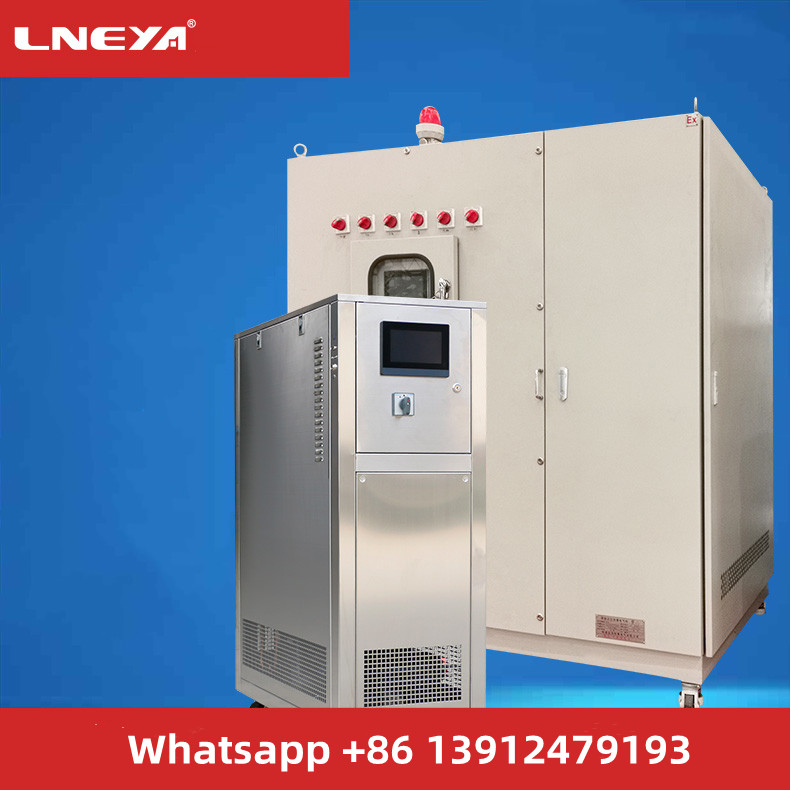
Glycol chillers are industrial refrigeration systems that use a type of antifreeze called glycol, mixed with water, to lower the freezing point in the application of the chilling system.
Glycol is a class of organic compounds that belong to the alcohol family. When mixed with water and pumped through the pipes of a chilling system, glycol serves to slow the rate of freezing. It helps maintain temperature consistency in the application. Some glycol products also work to inhibit corrosion and bacterial growth within the pipes of the chilling system.
Glycol comes in two varieties that should never be mixed together: ethylene glycol and propylene glycol. Both types offer the same relative level of freeze protection. Both also help to guard against corrosion. Some grades of both types of glycol also help to prevent the growth of algae and bacteria within the chiller.
Ethylene glycol is a moderately toxic chemical that has a sweet taste and can be harmful if swallowed. For this reason, it should not be used in potable water or food processing systems when leakage is a possibility. Ethylene glycol has more widespread use due to its lower purchase price. Industrial applications like ice rinks and factories requiring large volumes of the coolant find this to be the most economical choice of glycol.
Mixing Water with Glycol in Your Industrial Refrigeration System
Although you should never mix glycol types there is something that should always be added: water. As mentioned, glycol must be mixed with water to function properly. The type and amount of water to use are key factors to consider.
Ratio of Water to Glycol to Use
Calculating the proper ratio of glycol to water in your chilling system depends on the coldest temperature that the glycol solution will reach during operation. If a chilling system is used indoors where there is no chance of freezing, the amount of glycol needed would be significantly less than required by a glycol chiller used outdoors where temperatures are prone to drop below freezing. Also, if an application requires a very low temperature to operate it should use a glycol mixture similar to that of an outdoor system. In a chilling system, this temperature is normally the saturated suction temperature in the evaporator, and normally this temperature is 10°F below the chiller set point temperature. Using the proper ratio of glycol and water in your chilling system is very important. Adding too much to your chiller system will cause it to become inefficient. However, not enough glycol could cause the system to freeze up, potentially bursting pipes or even rupturing the chiller evaporator.
To learn more about how a 글리콜 냉각기 works, contact LNEYA: sales@lneya.com.
관련 추천
-
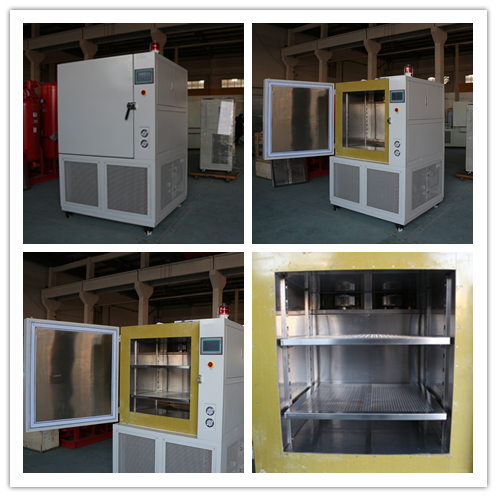
수직형 초저온 냉장고의 열전달 효과가 감소하는 이유
2267If the outer frost layer of the vertical ultra-low temperature refrigerator is too thick or excessively dusty, it can be caused because the external temperature of the evaporator is mostly lower than 0 °C, resulting in low heat transfer efficiency...
세부 정보 보기 -

아케마 2018에 참가하는 LNEYA
14132018년 6월 11일부터 15일까지 독일 프랑크푸르트 암 마인에서 열리는 공정 산업을 위한 세계 포럼 및 선도 전시회인 ACHEMA에 참가할 예정입니다(자세한 정보는 곧 공개될 예정입니다),
세부 정보 보기 -

Destructive application effect of components in chip temperature measuring device
2028The components can be tested in high-temperature and low-temperature cold sources in the microfluidic chip temperature measuring device. The destructive analysis of components is also an important application, which can measure the design, structu...
세부 정보 보기 -

고온 및 저온 습열 테스트 장치의 압축기에 대한 설명
2265고온 및 저온 습열 테스트 장치용 컴프레서의 종류에 따라 가격에 영향을 미치는 경우가 많습니다. 선택할 때 가능한 한 저에너지 냉동 압축기를 선택해야합니다. 이제 중국은 점점 더 많은 관심을 기울이고 있습니다 ...
세부 정보 보기