 工業冷水機製造商 LNEYA Taiwan



How to complete the temperature control equipment for the isolation reactor?
The reactor is a commonly used reactor in pharmaceutical and chemical production. The isolation reactor temperature control equipment is realized by controlling two doors, namely the heating water valve and the cooling water valve. The mixing of the mixer makes the material uniform, improves the heat conduction speed, and Make the temperature uniform. The temperature of the isolation reaction kettle is controlled in the heating stage, open the heating water valve, and pass heating water to the coil in the kettle to increase the temperature of the ridge. The rate of temperature increase is controlled by controlling the valve opening. When heated to the predetermined reaction temperature The heating is stopped, and cooling water is passed through the jacket during the reaction to remove the excess heat generated by the reaction and keep the temperature constant.
The selection of the heat transfer medium for the temperature control of the isolation reactor is determined according to the process temperature requirements of the products of each factory. Common heat transfer media include superheated steam and heat transfer oil. Temperature measurement is usually composed of thermal resistance or thermocouple and its transmitter. The temperature of the heat conduction medium fed into the reactor is required to maintain a constant temperature. By adjusting the flow of the heat conduction medium flowing into the jacket of the reactor, the temperature of the materials in the reactor is controlled to meet the process requirements.
After the temperature control of the isolation reactor is completed, hot water is supplied to the reactor to increase the temperature. The raw materials are fully mixed with the catalyst and absorb the heat provided by the hot water. When the temperature reaches a certain value, the exothermic reaction starts. In this stage, the temperature or pressure in the kettle needs to be raised to the state where the reaction starts in a relatively short period of time, and the continuous temperature rise must be maintained.
The isolation reaction kettle temperature control reaction process is accompanied by a strong exothermic effect, and the relationship between the exothermic rate of the reaction and the reaction temperature is a positive feedback self-excited relationship. This stage is the difficulty of control, which directly affects the quality of the product.
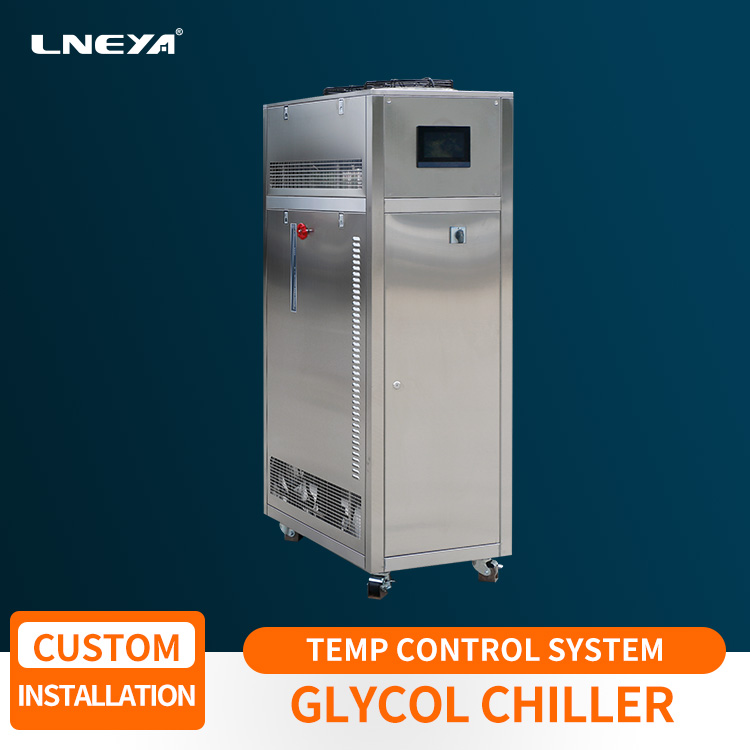
LNEYA isolation reactor temperature control equipment-high and low temperature circulator, compared with dynamic temperature control technology to control the temperature of the heat transfer medium, the temperature of the material is also controlled within the specified range, which improves the work efficiency. The pipeline circulation system improves the power density ratio, reduces the use of heat transfer medium, and saves energy.
관련 추천
-

산업용 냉각기의 종류와 기능 및 특성에 대한 세부 정보
1859산업용 냉각기에 관해서는 누구나 알고 있어야하지만 구체적인 유형은 무엇입니까? 그것은 냉각 기능을 지속적으로 수행 할 수있는 일종의 냉각 장비이며, 이는 또한 산업 기능의 중요한 표현이기도합니다 ...
세부 정보 보기 -
Air-cooled and water-cooled methods of cooling and heating circulators
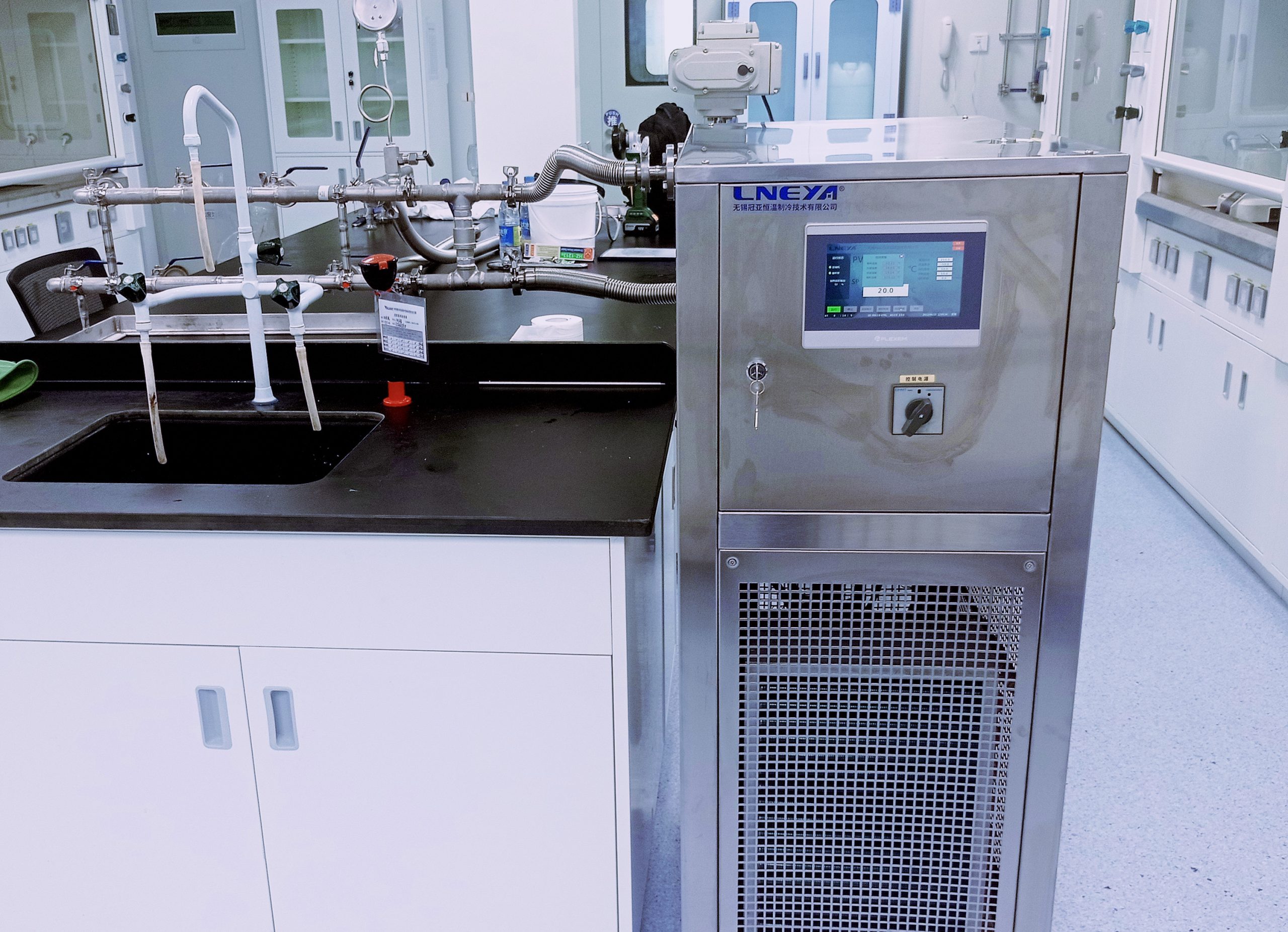
2148The cooling heating circulator is controlled by high and low temperature during operation. After the user runs at high temperature and low temperature, it can be heated with heat transfer oil, which is water-cooled and air-cooled. 1. It belongs ...
세부 정보 보기 -
How to use the reactor thermostat?
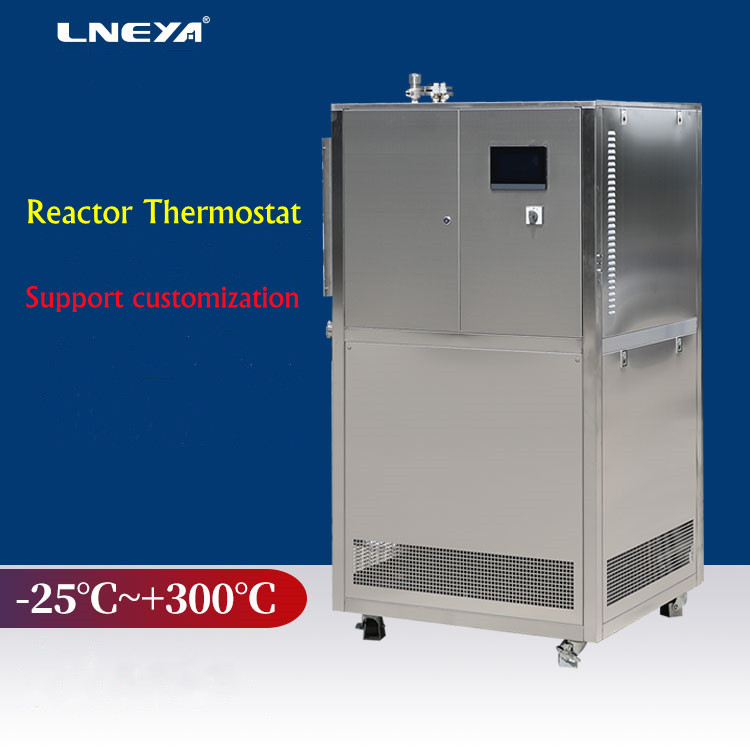
1939The reactor thermostat is generally heated by a resistance wire, cooled by a compressor, and is supplemented with a PID controller to maintain a relatively standard temperature, so as to achieve the purpose of the experiment. The shell is made of ...
세부 정보 보기 -
화학 및 제약 생산 공정에서 온도 제어가 필요한 반응에는 어떤 것이 있나요?
2095정밀한 온도 제어는 화학 및 제약 제품 생산에서 합성/결정화 중 반응 공정에서 중요한 역할을 합니다. 정밀 화학 분야에서는 많은 화학 반응 공정과 결정화 공정이 ...
세부 정보 보기