 工業冷水機製造商 LNEYA Taiwan



Solution to oil spill of reactor cooling and heating circulator
When we use some reactor cooling and heating circulators, we will find that the system pressure fluctuates up and down as the temperature rises, and the oil tank is overflowing. So what are the reasons for these conditions in the cooling and heating circulators and how to solve them?

There are three reasons for the above situation: residual water in the pipeline or water in the heat-conducting oil component causes oil-water mixing, water vaporization at high temperature causes unstable system pressure, and oil spills in the fuel tank; the system pressure is normal at room temperature, and when the temperature increases When it rises (above 80 degrees), the system pressure gauge shakes up and down, and when there is a large amount of white smoke in the fuel tank or the heat transfer oil overflows, it can be judged that the oil and water are mixed.
Method of dehydrating boiling oil:
Remove the upper cover of the machine and open the fuel tank cover. Set the temperature to about 80 degrees first, and then combine the system pressure gauge. When the system pressure is stable, increase it by one or two degrees. If the system pressure drops again at this time, the temperature should be lowered again immediately. After the pressure stabilizes, increase it once or twice. In this way, the oil temperature is controlled at about 130 degrees under the condition of stable pressure (not more than 130 degrees, otherwise the exhaust solenoid valve from the system to the fuel tank will be closed, causing the system water vapor to fail to evaporate through the fuel tank, and the temperature will be too high. The heat transfer oil is oxidized too fast and affects its service life.) Let it run for 1-2 hours for dehydration and boiling. After the system pressure is completely stabilized, the temperature can be raised again. If there is no change in the system pressure midway, the fuel tank lid can be closed normal production. (Note: The temperature can be set directly next time the machine is turned on, no need to cook oil again.)
The expansion volume of the fuel tank is not enough, causing the oil to overflow. The system pressure did not change significantly with the increase in temperature, but the oil level of the oil tank liquid level indicator tube was continuously rising. After overflow, it can be judged that the oil tank is too small and the expansion volume is not enough. Solution: Replace the fuel tank with a larger size.
The filling of heat-conducting oil exceeds the normal level of the fuel tank, which leads to insufficient expansion space of the fuel tank and the heat-conducting oil overflows. Solution: Drain the excess heat transfer oil from the oil drain to the normal level.
관련 추천
-

열수력 원자로에 사용되는 냉동 가열 온도 제어 시스템 장비
1754냉동 가열 온도 제어 시스템은 다양한 반응기, 반응기 및 증류 장비에 사용할 수 있습니다. 오늘은 열수 반응기에 적용할 때 주의해야 할 사항을 분석해 보겠습니다. 열전달 매체 ...
세부 정보 보기 -
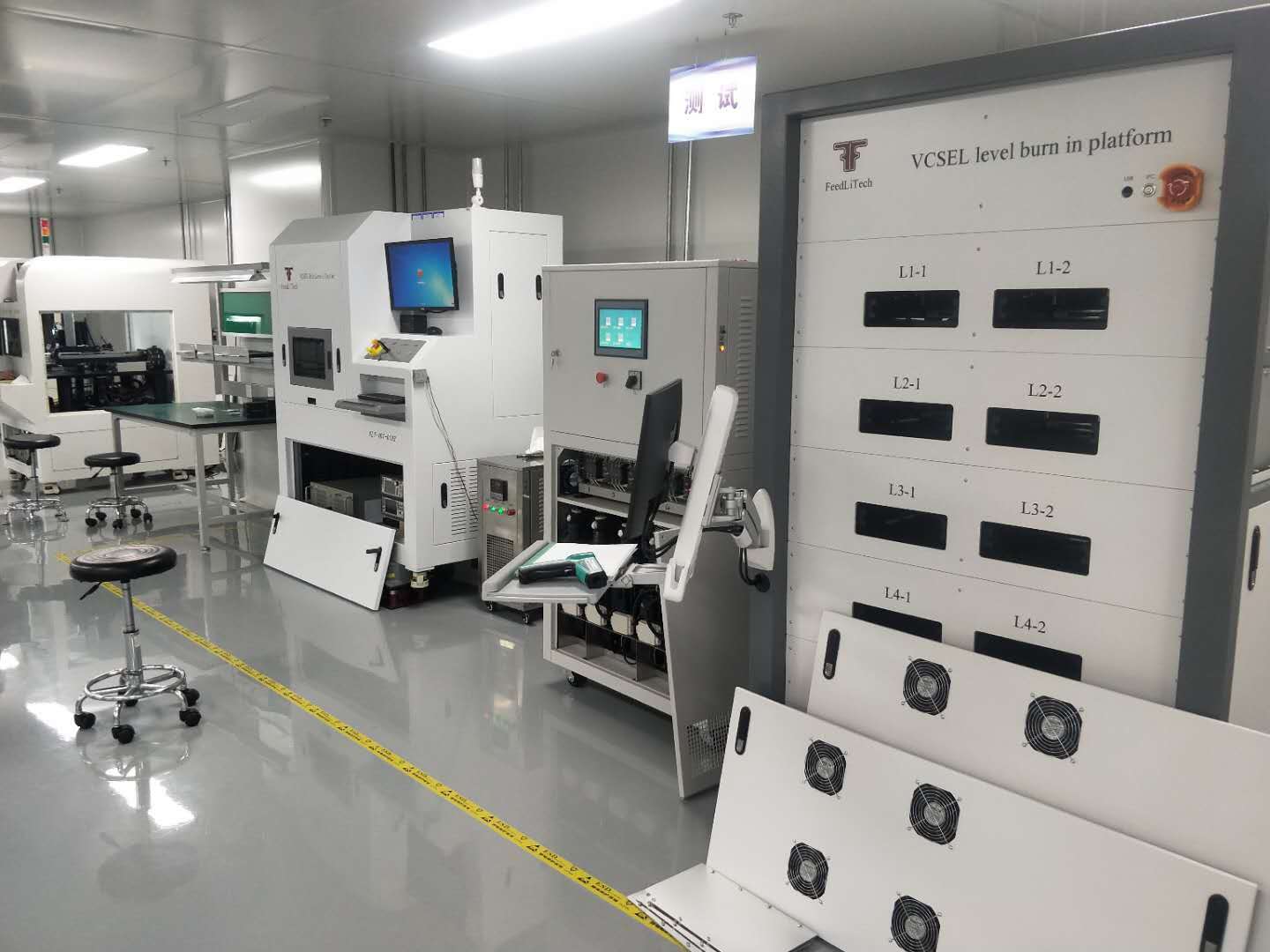
칩 번인 테스트에서 VCSEL이란 무엇인가요? 온도가 어떤 영향을 미치나요?
2881VCSEL의 정식 명칭은 수직 공동 표면 방출 레이저이며, 중국어 명칭은 수직 공동 표면 방출 레이저입니다. 반도체 레이저의 일종입니다. 반도체 레이저는 반도체 제조 기술을 사용하여 제조 된 레이저입니다.
세부 정보 보기 -

How to control the temperature of the refrigerating heating temperature control system
2299The refrigeration heating temperature control system is matched with the glass reactor as the ideal teaching and experimental temperature control equipment for the synthesis of modern fine chemicals, bio-pharmaceuticals and new materials. For this...
세부 정보 보기 -

How to avoid operational errors in fluid heat transfer temperature control systems?
2116During the operation of the fluid heat transfer temperature control system, if the fluid heat transfer temperature control system fails, the main reason is the operation error. So how do we avoid mistakes. 1. The operation of the fluid heat trans...
세부 정보 보기