 工業冷水機製造商 LNEYA Taiwan



R32 vs R410A: Key Differences in Refrigerants
R32 and R410A are two of the most commonly used хладагенты in modern cooling systems. Both are widely used, but they behave differently in terms of thermodynamics, pressure, efficiency, and environmental impact. Understanding these differences helps you design or select a better cooling system.
What is R32
R32 is a single-component refrigerant widely used in modern high-efficiency cooling systems. It is known for its strong cooling performance and high energy efficiency. When you use R32 in a system, you get better heat transfer performance compared to many traditional refrigerants. It also requires a lower refrigerant charge, which helps reduce system size and operating cost.
However, R32 is mildly flammable. This means you must design the system carefully with proper safety measures such as ventilation and leak protection. R32 is also considered more environmentally friendly because it has a lower global warming potential.
What is R410A
410A is a blended refrigerant made from R32 and R125. It has been widely used in air conditioning and industrial cooling systems for many years. When you use R410A, you get a stable and non-flammable refrigerant, which makes it easy to apply in traditional HVAC systems.
R410A is known for good safety performance and mature system compatibility. Many existing systems are still designed around it. However, its energy efficiency is lower compared to R32, and it has a higher environmental impact due to higher GWP.
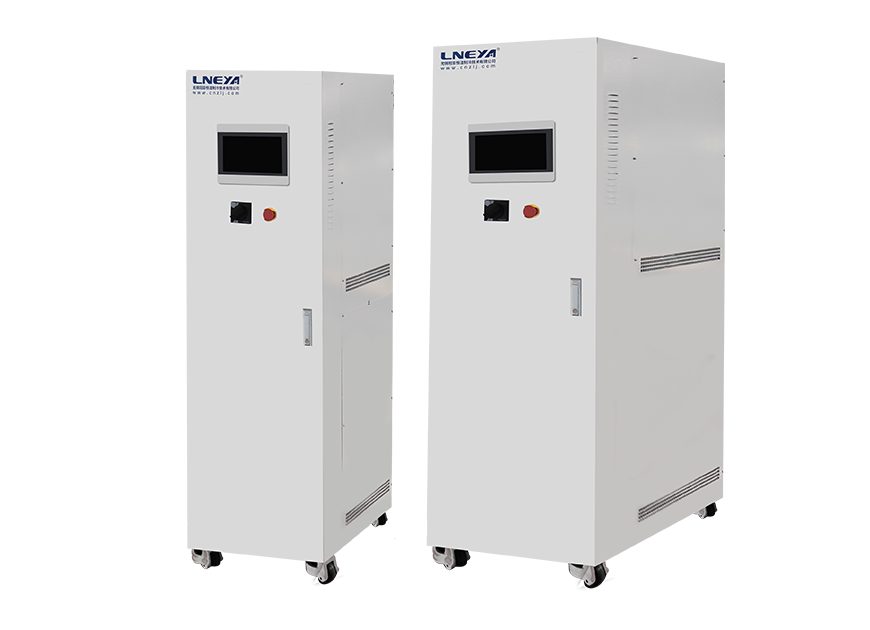
Key Differences Between R32 and R410A
Refrigerant Composition
R32 is a single-component refrigerant, which means it has a consistent chemical composition during operation and servicing. R410A is a blended refrigerant consisting of R32 and R125. Because it is a blend, maintaining the correct refrigerant composition during charging and recovery is more important.
Cooling Performance and Energy Efficiency
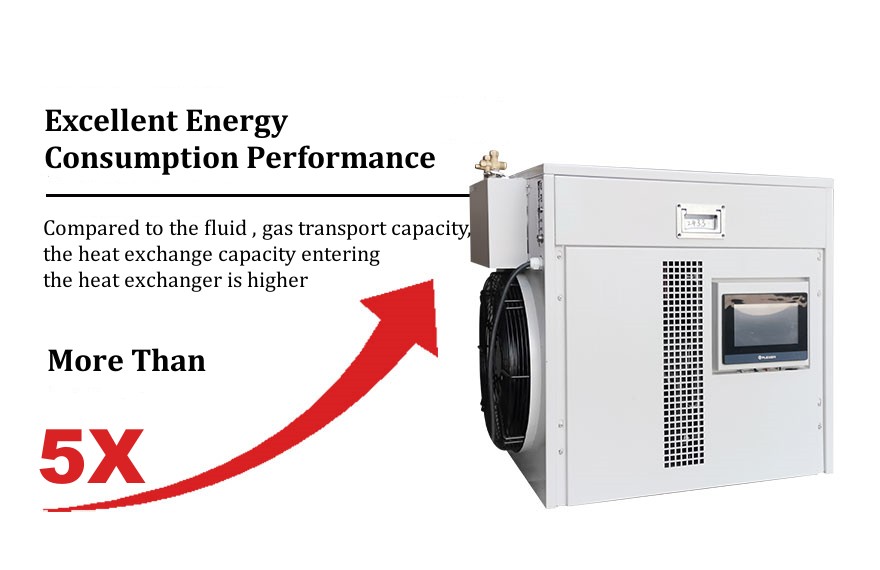
R32 generally has higher refrigeration capacity and better heat exchange performance compared to R410A. Under similar operating conditions, systems using R32 often require less refrigerant charge and can achieve higher energy efficiency, helping reduce electricity consumption during long-term operation.
Environmental Performance
One of the biggest advantages of R32 is its lower Global Warming Potential (GWP). Its GWP is approximately one-third that of R410A, making it a more environmentally friendly choice and better aligned with increasingly strict refrigerant regulations.
Safety Characteristics
R32 is a micro-flammable refrigerant and has a certain risk of combustion. Therefore, it is necessary to ensure that corresponding safety protection measures are provided at all stages of system design, installation and maintenance. At the same time, stricter requirements are imposed on operation procedures.
R410A is an non-flammable refrigerant and does not pose a combustion risk under normal usage and common fault scenarios. Thus, there are fewer restrictions on system design and installation sites, making its safety easier to ensure in traditional application scenarios.
Suitable Applications
R410A has been widely used in traditional air conditioning systems and many промышленные чиллеры because of its stable operating characteristics and mature technology. It remains a reliable option for applications where proven performance and system compatibility are the primary considerations.
R32 is increasingly adopted in next-generation chillers, precision temperature control systems, and industrial cooling equipment that prioritize energy efficiency and environmental performance. It is particularly suitable for new installations designed to reduce energy consumption and comply with evolving refrigerant regulations.
Which Refrigerant Should You Choose
If you are upgrading an existing refrigeration system designed for R410A, continuing with the same refrigerant may provide the best compatibility and reduce modification costs.
If you are developing new industrial chillers, process cooling systems or precision temperature control equipment, and the system can meet the relevant safety requirements, then R32 is usually capable of providing higher energy efficiency and better long-term environmental performance.
In practical industrial applications, R410A is widely used in process cooling equipment, injection molding temperature control systems, food processing refrigeration, pharmaceutical cooling systems, and many existing manufacturing facilities.
R32 is applied in semiconductor manufacturing cooling, battery production temperature control, laboratory cooling equipment, laser cooling systems, electronic manufacturing, and other high-efficiency industrial applications.
Заключение
If you are planning a new industrial cooling project or upgrading an existing refrigeration system, LNEYA can help you select the most suitable refrigerant solution based on your application requirements. Contact LNEYA today to discuss your cooling requirements and discover the right refrigeration solution for your industrial application.
Нужна индивидуальная система охлаждения для вашего процесса?
ЧАСТО ЗАДАВАЕМЫЕ ВОПРОСЫ
СВЯЗАТЬСЯ С НАМИ
TEL:
EMAIL:
WeChat и WhatsApp:.

Wechat QR