 工業冷水機製造商 LNEYA Taiwan



What Affects Chiller Cost?
When requesting quotes from multiple chiller manufacturers, you will notice significant differences in their prices. This is because the product specifications and included services listed on each quotation vary. This article explains the common factors that affect chiller pricing, helping you compare different quotes and determine whether they are reasonable.
Key Factors Affecting Chiller Cost
The cost of a chiller depends on its cooling capacity, temperature control accuracy, cooling method, compressor type, number of channels, additional functions, control system complexity, degree of customization, and component brands.
1.Cooling Capacity
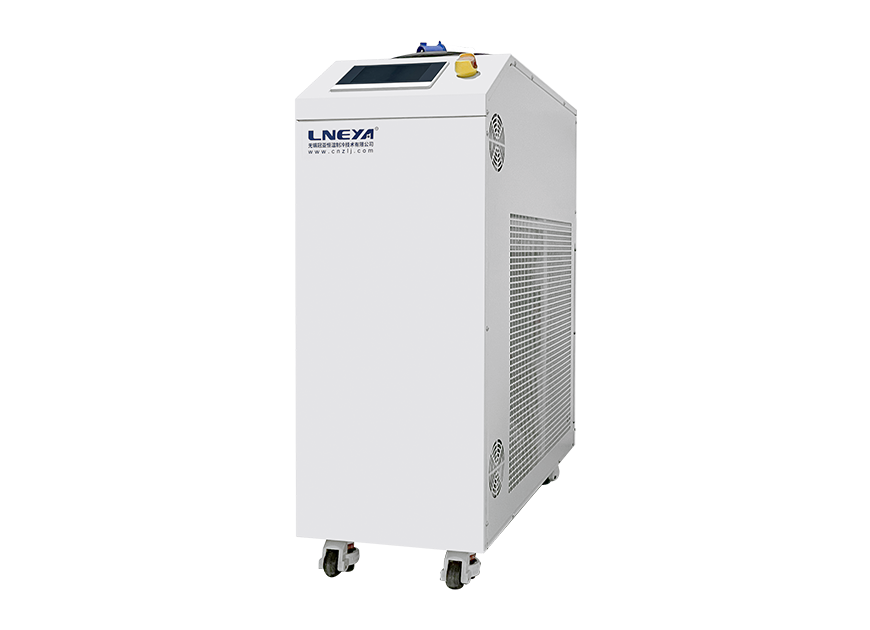
Cooling capacity (kW or RT) refers to the chiller’s ability to remove heat. The higher the cooling capacity, the more powerful the compressor and the larger the heat exchanger. Large-capacity chillers usually have a bigger footprint. Supporting components like the frame, electrical panels, and control modules must also be upgraded. Some large industrial chillers used in factories can cost several times more than a desktop portable chiller.
2.Temperature Control Range and Accuracy
The wider the temperature range and the higher the control accuracy, the greater the demands on compressor performance, sensor precision, response speed, and refrigeration technology. These advanced technologies and high-performance components are reflected in the chiller price.
3.Cooling Method: Air-Cooled vs Water-Cooled Price
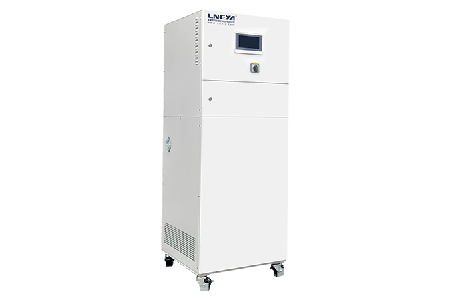
Air-cooled and water-cooled chillers have different price structures. Air-cooled chillers are simple, easy to install, and require almost no auxiliary systems like piping or cooling towers, so they are cheaper. Water-cooled chillers require a cooling water system, which increases purchase, installation, and maintenance costs. Many small projects choose air-cooled chillers for this reason.


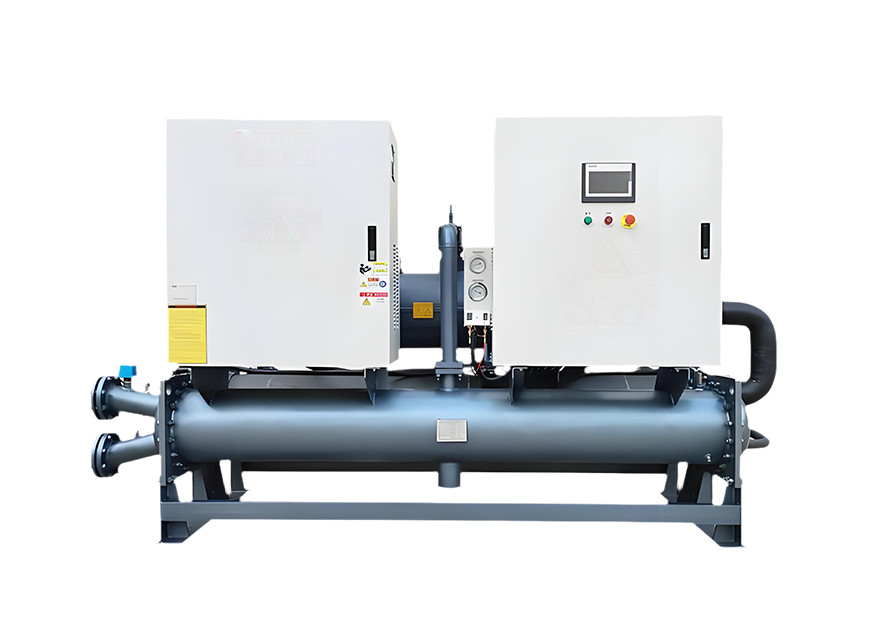
4.Compressor Type: Scroll Chiller vs Screw Chiller Price
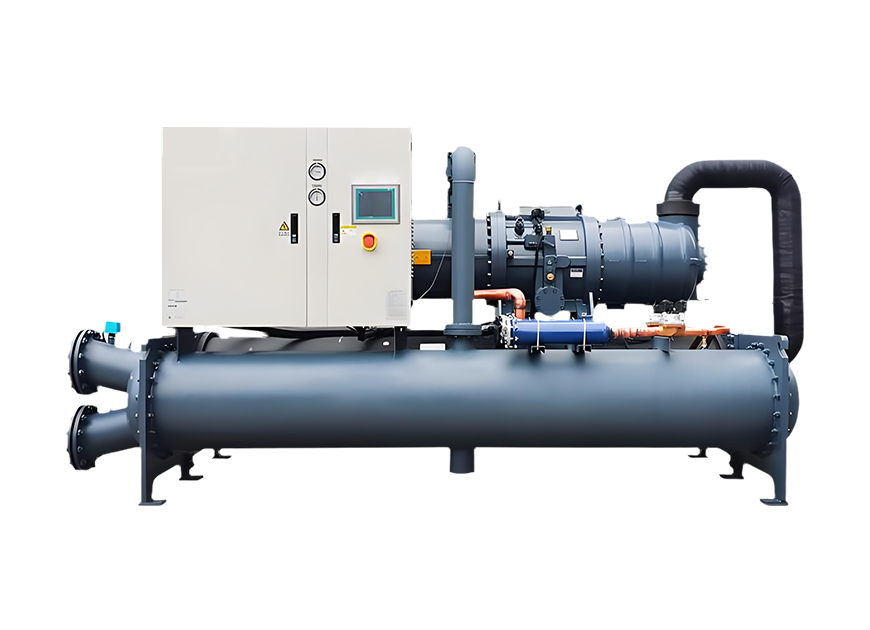
The compressor is one of the most expensive parts of a chiller. Common types include scroll compressors and screw compressors. Scroll compressors are typically used in small and medium systems, with moderate prices and good cost performance. Screw compressors are mainly used in large-capacity systems and are more expensive. If you want the compressor to adjust its speed according to load, you need a variable-frequency compressor. While more energy-efficient, it also increases the initial cost of the chiller.
5.Number of Channels and Multi-Zone Control
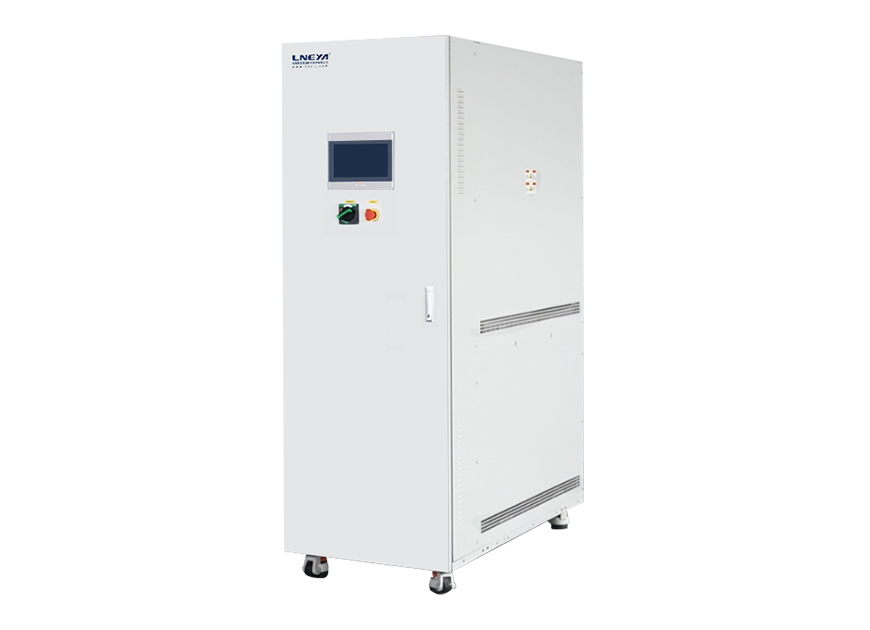
If you need to control multiple temperature zones simultaneously, a multi-channel chiller is ideal. Its internal structure is more complex. Expansion tanks and condensers may be shared, but compressors, control circuits, and water pumps are independent. This allows independent control of temperature, pressure, and flow for each channel. Multi-channel chillers are significantly more expensive than single-channel models.
6.Heating, Waste Heat Recovery, and Additional Functions
Chillers with heating or waste heat recovery functions cost more because they include extra components such as heaters, valves, and control systems to manage two-way heat flow. Some industrial applications require process water above ambient temperature, which needs an integrated heater. Other applications recover waste heat to preheat auxiliary process water. Each function increases control complexity and the number of sensors and safety devices.
7.Control System and Remote Function
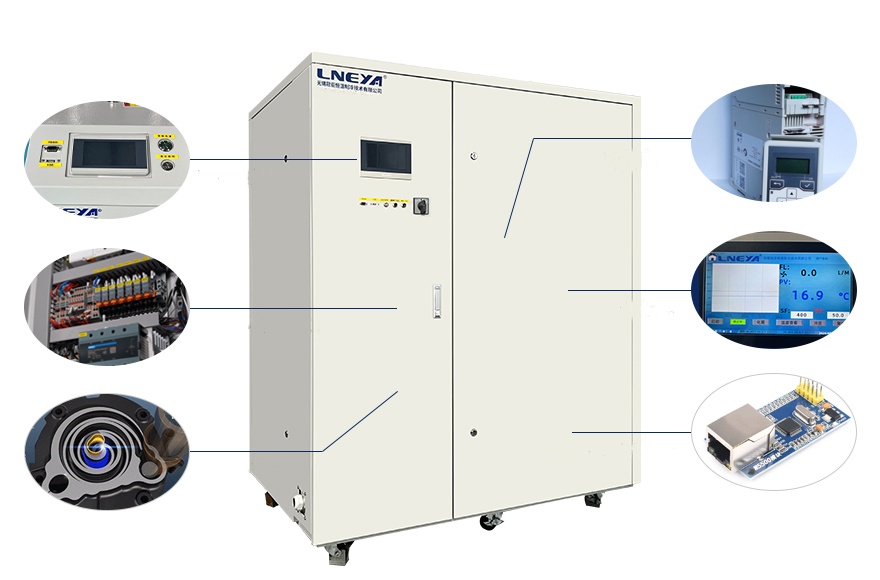
Advanced control systems, including touchscreens, PLCs, IoT connectivity, and remote monitoring, increase chiller cost but greatly improve ease of operation. Many industrial chillers support Ethernet, Modbus, Profibus, USB, and include alarms for high temperature, flow issues, or compressor load. These features add to the price but reduce downtime and long-term maintenance costs.
8.Customization
Special requirements for materials, dimensions, interfaces, or functions affect cost. Manufacturers must modify designs, test prototypes, and adjust control systems to meet your process needs. Some applications require non-standard piping or special connectors, which add R&D expenses.
9.Component brand
The brand of components like expansion valves, compressors, and evaporators also affects chiller cost. Well-known brands like Danfoss, Copeland, and Schneider are usually more expensive but offer better stability, after-sales support, and easier access to spare parts. Price differences between brands can exceed 30% for key components.
Hidden Costs
Many buyers only consider the equipment price and ignore additional costs such as packaging, shipping, installation, commissioning, and after-sales support. Precision chillers must be packed in reinforced wooden crates, and heavy industrial models may require cranes.
Overseas shipping includes tariffs, freight, and customs. Installation may require extra piping, cooling towers, or electrical modifications. Commissioning, calibration, and operator training increase labor costs. Some suppliers provide remote support or scheduled maintenance plans. Although these increase upfront costs, they improve long-term ROI.
For example, a $15,000 chiller may require $2,000 for shipping and installation and $500 for training. Including these costs ensures a realistic budget.
Choose a Chiller Without Overspending
If you are unsure which chiller best fits your industrial application, contact LNEYA. We provide professional selection advice and quotations based on your needs to help you choose the most suitable solution within your budget.