 工業冷水機製造商 LNEYA Taiwan



We are LNEYA, a manufacturer of chillers
LNEYA chiller manufacturer is committed to
the R&D, production and sales of refrigeration and heating temperature
control systems, ultra-low temperature freezers, new energy automobile
component testing systems, and heating cycle systems. The products are widely
used in low-temperature reaction fields in the chemical, pharmaceutical,
biochemical and other industries, with fast refrigeration speed, safety and
reliability.
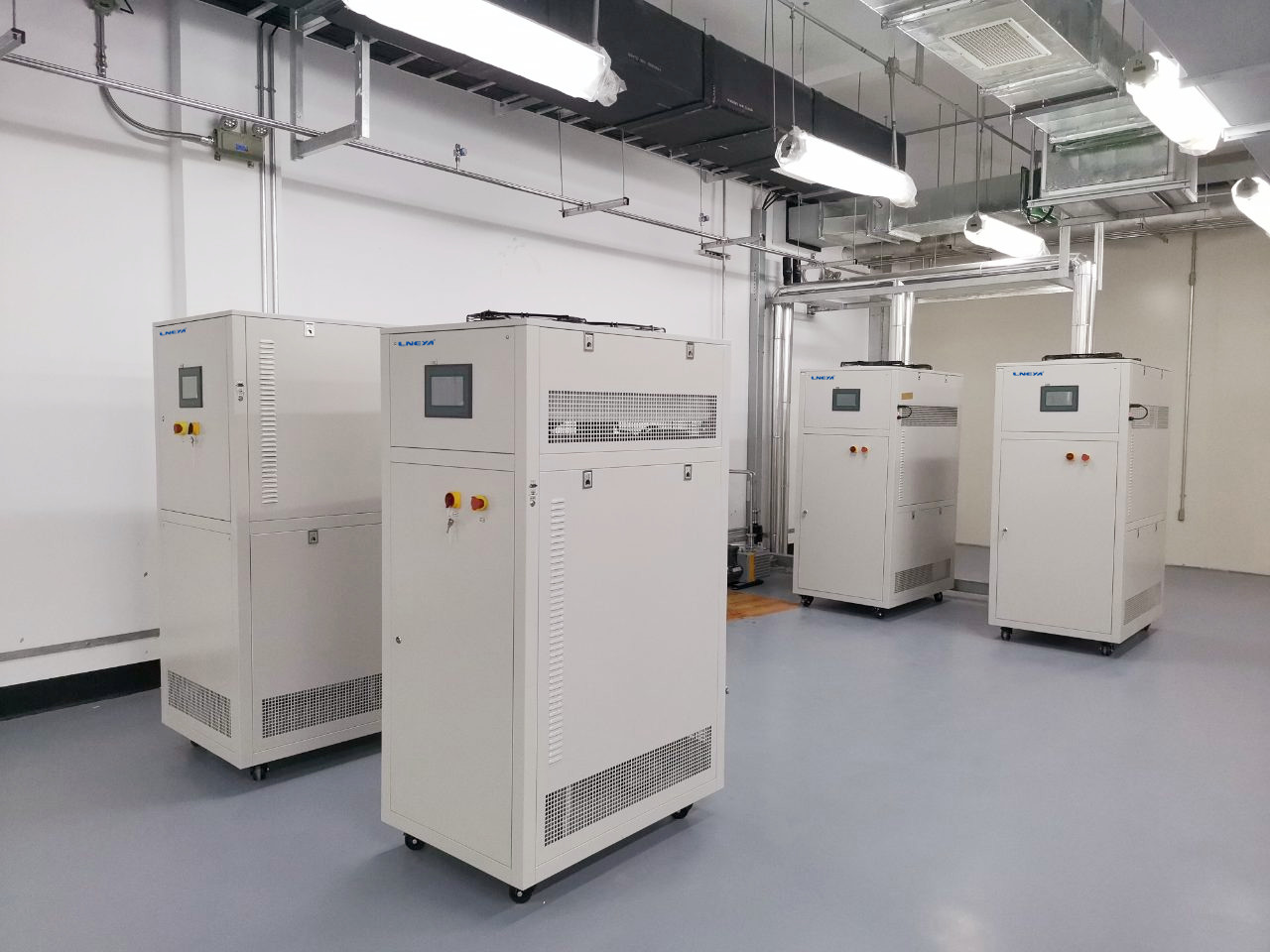
It has a research and development team of
highly qualified professional designers with rich experience in ultra-low
temperature, high and low temperature development. The company is currently at
the advanced level in the same industry in the research and development of
stand-alone cascade refrigeration technology, and is at the international
advanced level in the research of high and low temperature rapid temperature
rise and fall technology. In particular, the high-precision temperature control
of the reactor is the internationally advanced single-medium control -90℃~+250℃ continuous
temperature control, and the temperature of the reactor material is linearly
controlled with high precision. The product temperature ranges from -152°C to 350°C.
Our temperature control equipment adopts
computer cascade temperature controller and PT100 temperature sensor. The
product adopts ethylene glycol and water mixture for circulating cooling to
save water resources; the refrigeration equipment adopts supercooling
technology to ensure temperature stability at low temperatures; adopts a fully
enclosed design to ensure the purity of the cold heat transfer medium, prevent
ice crystals, and improve the heat transfer fluid life.
Typical applications of the SUNDI series of
refrigeration and heating temperature control systems: dynamic constant
temperature control of cold and heat sources of various reactors, constant
temperature control of cold and heat sources of micro-channel reactors; small
constant temperature control systems, temperature control of steaming systems,
material low temperature and high temperature aging test, vacuum Room cooling
and heating thermostatic control, etc. Ultra-high temperature cooling
technology can directly refrigerate and cool from a high temperature of 300
degrees (because only the heat transfer medium in the expansion cavity is in
contact with oxygen in the air (and the temperature of the expansion tank is
between normal temperature and 60 degrees), which can reduce the heat transfer
medium Risk of oxidation and absorption of moisture in the air. No heat
transfer medium evaporates at high temperature, and continuous control of
-80-190 degrees, -70-220 degrees, -88-170 degrees, -55-250 degrees, -30-300
degrees can be achieved without pressurization. temperature.
If you belong to the chemical and
pharmaceutical experimental production industry, you will definitely need the
assistance of temperature control equipment during the reaction process. You
can consult our LNEYA chiller manufacturer on the technology and use of
industrial temperature control systems.
Related recommendations
-
Why does the glass reactor need a heating refrigeration circulator in use?
1763The glass vacuum reactor is of double-layer glass design. The inner layer is filled with reaction solvent for stirring reaction, and the interlayer can be connected with different cold and heat sources (freezing liquid, hot water or hot oil) for c...
View details -

How to choose the right hot and cold circulator?
1963The hot and cold circulator is widely used in the pharmaceutical and chemical industry to provide users with hot and cold controlled, uniform temperature and constant temperature. It can also be directly equipped with reactors, reactors, etc. fo...
View details -

About the components of the reactor chiller refrigeration heating circulator
2313The reactor chiller refrigeration and heating circulator is used to control the heater and cooler, adjust the temperature, and maintain the stable temperature of the material. Through the circulating medium, the temperature of the material can be ...
View details -

What are the decarboxylation reaction conditions and process temperature control?
2219The decarboxylation of aromatic acids is easier than that of fatty acids. For example, benzoic acid can be decarboxylated by adding a little copper powder as a catalyst in quinoline solution and heating. When a strong electron-withdrawing group ...
View details