 工業冷水機製造商 LNEYA Taiwan



Operation method of reaction kettle for circulating heating device
The laboratory single-layer glass reactor equipped with the circulating heating device can place a flask containing the reaction solvent on the inner layer for stirring reaction, and the interlayer can realize constant temperature heating and constant temperature cooling reaction through the circulation of solutes such as freezing liquid, water and heat transfer oil. During the reaction process, the distillation and reflux speed of various solvents can be controlled to observe the corresponding data. In addition to the single-layer reaction kettle, there is also a double-layer glass kettle, which is more convenient to use. It is mostly used in the research and development and production of modern chemical synthesis, biopharmaceuticals and new materials.

The user who purchases the single-layer glass reactor for the circulating heating device should first check whether the power supply voltage is consistent with the calibrated voltage of the instrument before using it, plug in the power supply and turn on the power switch on the inverter, and use the speed control button to select the appropriate Speed, but also pay attention to whether the speed displayed on the screen is consistent. During the process of solution plumbing, it will form a synergistic resonance with the rotation direction of the motor. Please adjust the motor speed appropriately to avoid resonance. After installing the stirring rod inside the instrument, you must first rotate it by hand, pay attention to whether the verticality is good, if you feel the verticality is not good, you should adjust it immediately, then turn on the power, and adjust in order from slow to fast. The maximum moving distance of the stirring rod after the equipment is installed is 5cm. If necessary, the adjustable wrench can be used to move it up and down.
The reactor equipped with the circulating heating device is heated by heat-conducting oil, the high heat cannot exceed 1K, and try not to choose steam heating. However, under low temperature conditions, the bottom discharge valve will be frosted. When using this valve, it must be used without thawing to avoid damage to the glass during forced use.
If the reactor material is solid, some may remain on the valve piston during discharging, which will affect the sealing performance during use, so be sure to observe it after discharging. The glass reactor also has certain requirements for the viscosity of the material, the best viscosity is between 50-100, and the experimental effect of higher viscosity will not be too good.
The glass reactor must be added with reaction materials before use, and the user may wish to dry the materials, after which the equipment is scrapped.
Related recommendations
-

Refrigeration and heating temperature control system for multiple reactors
18581. There are some differences in the quality and configuration of the refrigeration and heating temperature control systems of multiple reactors from different manufacturers. Some equipment will have some noise during operation, and the noise is ...
View details -

-
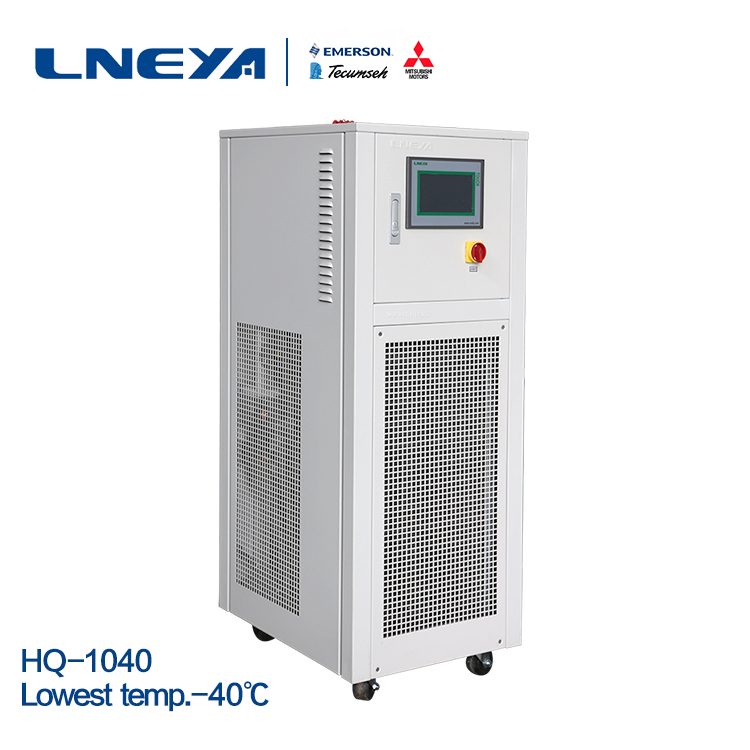
Parameters of small gas condensing liquefaction system
2123During the process of loading and unloading gasoline and refueling vehicles, and collecting high-concentration gas from the chemical plant. One or two methods in the process of adsorption or condensation, or the conversion of oil and gas from a ga...
View details -
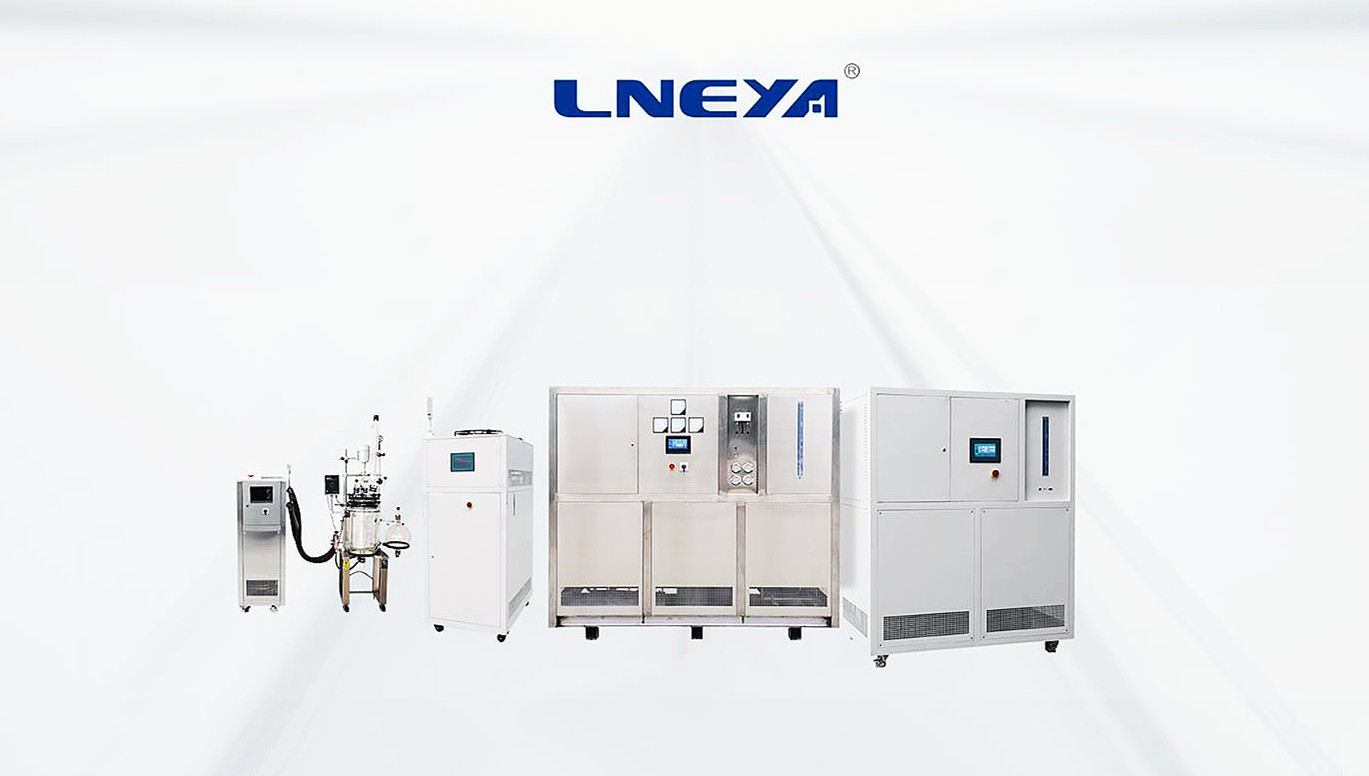
Selection Method of Water Cooled Chiller or Air Cooled Chiller
2038Nowadays, the application of industrial water chiller has involved various industries, including petrochemical industry, plastic industry, electronic industry, vacuum coating and so on. However, when purchasing industrial water chillers, many ente...
View details