 工業冷水機製造商 LNEYA Taiwan



Structural Characteristics of Industrial Recirculating Chiller
In the chemical reaction, there are strict requirements for the reaction temperature. It is necessary to raise the temperature to an appropriate temperature to carry out the chemical reaction smoothly. After the reaction, the temperature in the reactor must be reduced to room temperature. The existing heating system of the reactor is relatively simple, so the process of reducing the temperature in the reactor to room temperature takes a long time, and the thermal energy can not be used reasonably, resulting in a waste of some resources. Therefore, a temperature control system for rapid heating or cooling is required.
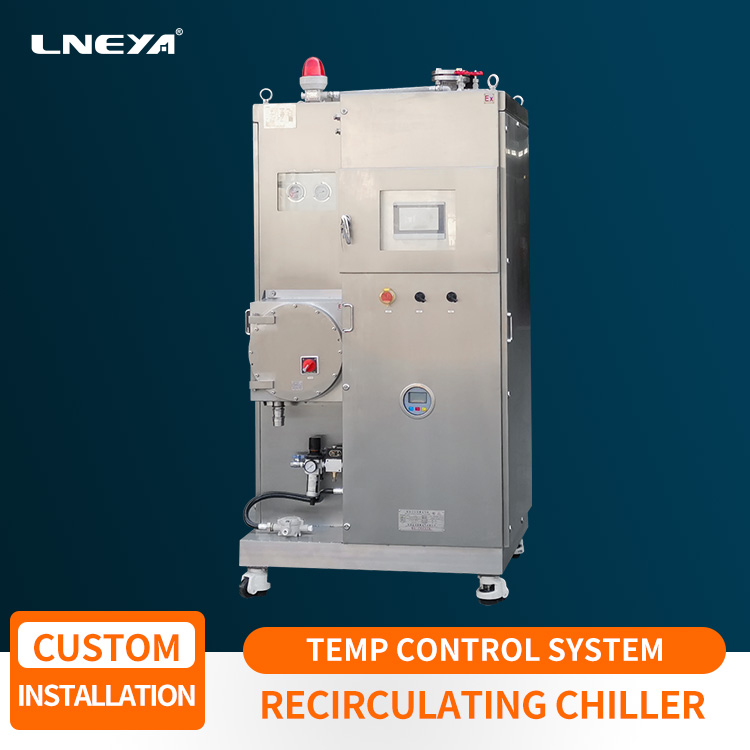
The reactor cooling and heating recirculating chiller is a typical cooling recirculating chiller with heating function. It is suitable for the laboratory and can ensure the repeatability of the experimental results. The operating temperature range is – 45 ℃to 250 ℃. the reactor refrigeration and heating recirculating chiller produced by our company has compact structure, small floor area and environmental protection. It can be placed in the ventilation place of the laboratory or used inside the equipment.
Refrigeration heating recirculating chiller is a temperature controller integrating refrigeration and heating. It is composed of two systems, two computer PC boards, each controlling the corresponding system, and automatically adjusting heating or cooling through heat transfer oil circulation according to process requirements. It consists of pump, heating pipe, cooling heat exchanger, refrigeration system, temperature control system, pipeline and frame. The heat transfer oil flows between the heat medium pipe of the unit and the jacket or coil of the reactor. The circulating pump, heat transfer oil pipe, heating device and cooling device constitute the basic circuit of the heat medium.
Many chemical reactions are accompanied by a large number of endothermic or exothermic phenomena. Temperature is an important process parameter in the production process. Our recirculating chillers provide a variety of modes from small refrigeration power to large refrigeration power, from laboratory to production site, so as to provide continuous and stable process temperature control.
Related recommendations
-

The benefits of choosing a cryostat
2700The temperature of the effluent of the cryogenic refrigerator is very low, so the carrier medium can not be used for water (the water will freeze when it reaches 0 ° C). At this time, it is necessary to use a brine solution or a glycol solution, a...
View details -

Precautions for Leakage Inspection of Glycol Chiller
2656The main points about checking leakage of glycol chillerDuring the operation of the glycol chiller, it is critical that the refrigeration system does not leak. In order to avoid the leakage of refrigerant and other gases from the glycol chiller, ...
View details -
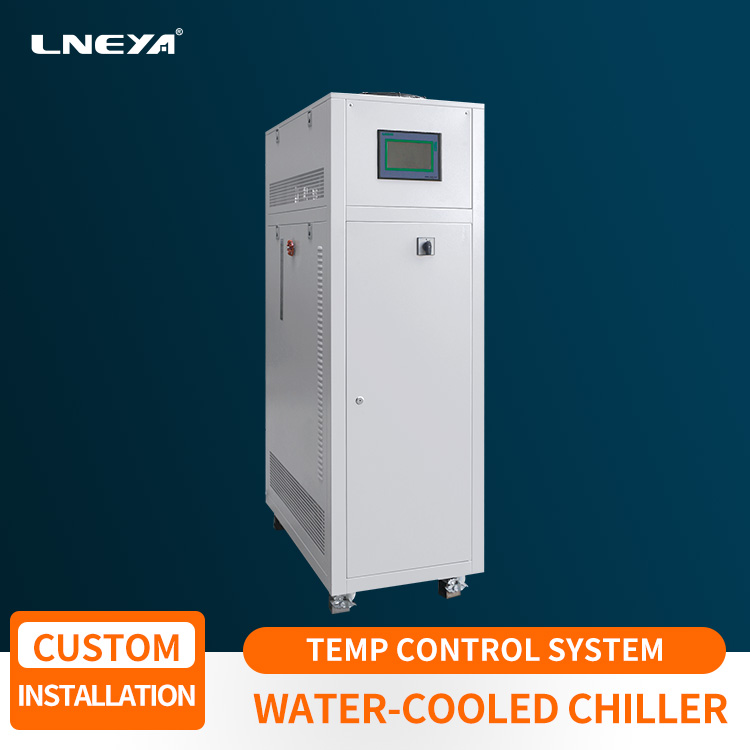
Cause Analysis of Poor Cooling Effect of Water Cooled Chiller
1838Water cooled chillers have been more and more widely used in all walks of life around us. Its main function is to provide industrial chilled water for equipment or products. The water temperature range can be adjusted according to users' needs, an...
View details -

The necessity of temperature heating and cooling cycle in the process of catalytic hydrogenation
2066In recent years, with the rising price of oil, the demand for benzene obtained from coking benzene has increased, coupled with the country's increasing emphasis on environmental protection, the widespread application of coking benzene hydrogenatio...
View details