 工業冷水機製造商 LNEYA Taiwan



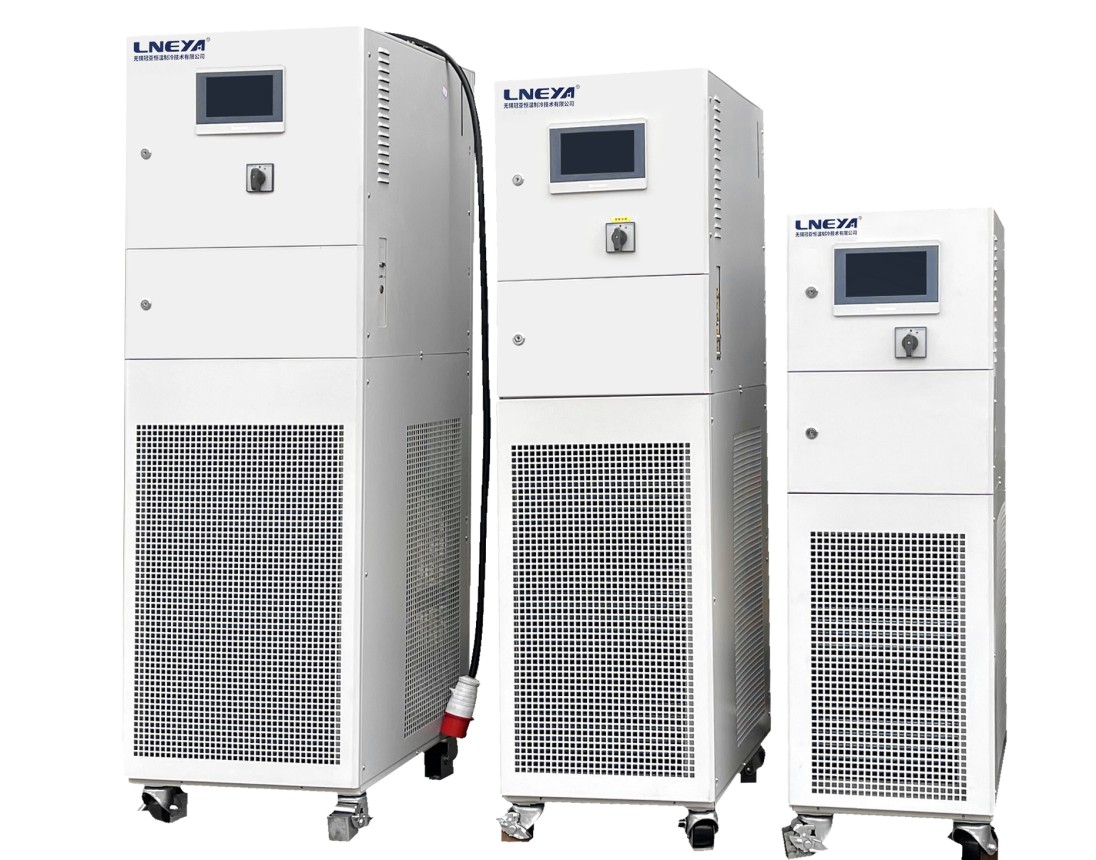
New energy shaft cooling Water Chiller
New energy shaft cooling does not necessarily require industrial freezers, but is usually achieved using industrial chillers or cooling systems. Industrial freezers are mainly used for extremely low temperature freezing and processing, while shaft cooling focuses more on controlling the temperature within the operating temperature range to ensure the performance and reliability of the shaft. The following are some common cooling solutions for new energy shaft cooling and their application scenarios:
New energy shaft cooling requirements:
The shafts in new energy equipment, such as the shafts of motors, generate a lot of heat during operation. If not controlled, this heat can cause the shaft to overheat, affecting the performance and life of the equipment. Therefore, an effective cooling system is required to ensure that the shaft operates within the operating temperature range.
- Industrial chiller:
- Scope of application: Applicable to occasions that require continuous operation and precise temperature control.
- Features: Can provide a stable cooling water cycle, usually able to be controlled within the range of ±1°C or less.
- Cooling medium: Use water or a mixture of water and antifreeze (such as ethylene glycol) as the cooling medium.
- Application scenarios: Shaft cooling in new energy equipment such as motors, generators, and battery packs.
- Air cooling system:
- Scope of application: Applicable to small equipment or occasions where temperature control accuracy is not required.
- Features: Cool the shaft by blowing air through a fan.
- Application scenarios: Small motors or other light-load equipment.
- Oil cooling system:
- Scope of application: Applicable to occasions that require higher cooling efficiency.
- Features: Use lubricating oil or other cooling oil to remove heat.
- Application scenarios: High-power motors or generators.
- Heat exchanger:
- Scope of application: Applicable to occasions that require efficient heat exchange.
- Features: Transfer the heat generated by the shaft to the cooling medium through a heat exchanger.
- Application scenarios: High-power equipment that requires efficient cooling.
Application of industrial freezers Industrial freezers are mainly used for extremely low-temperature freezing and processing, and are usually used in the following scenarios:
Material processing: • Some materials need to be processed at extremely low temperatures to improve their performance or reduce internal stress. • For example, deep cryogenic treatment of metal materials can improve their hardness and wear resistance.
Sample preservation: • In laboratories or research institutions, it is used to preserve samples or reagents that require a low temperature environment. • For example, biological samples, chemical reagents, etc.
Special processes: • Some special processes need to be carried out at extremely low temperatures, such as the preparation of superconducting materials.
New energy shaft cooling usually does not require the use of industrial freezers, but is achieved using industrial chillers or other suitable cooling systems. Industrial freezers are mainly used in situations where extremely low temperature processing or preservation is required, while shaft cooling focuses more on controlling the temperature within the operating temperature range to ensure the performance and reliability of the equipment. When choosing a cooling solution, it is necessary to determine the most suitable cooling system based on factors such as specific cooling requirements, equipment power, and working environment.
Recommended Products
- MORE
How to Clean Your Water Chiller
- 参数标题参数内容
Keep your water chiller running efficiently with our step-by-step cleaning guide. Learn how to remove scale, prevent algae, and maintain your chiller for longer life and lower energy costs.
- MORE
Glycol Chiller VS Water Chiller — Which Is A Better Choice
- 参数标题参数内容
Which Is A Better Choice: Glycol Chiller VS Water Chiller? Different industrial sectors have varying cooling requirements. This blog post explores the key differences between glycol chillers and water chillers. By examining five critical factors, …
- MORE
The role of chiller in the manufacturing process of catalytic materials
- 参数标题参数内容
In the field of new material preparation, by accurately controlling the reaction temperature, the influence of different temperatures on the microstructure and macroscopic properties of materials can be explored, thereby developing new materials w…
- MORE
Hash water quality analyzer chiller
- 参数标题参数内容
Hash water quality analyzer often requires precise temperature control when performing water quality analysis to ensure the accuracy and reliability of the measurement results. Chillers are one of the important devices that provide this precise te…



loading…
已经是到最后一篇内容了!
The prev: Water Distiller Circulating ChillerThe next: Storage tank cooling refrigeration chiller
Related recommendations
-
What Is a Chemical Process Chiller
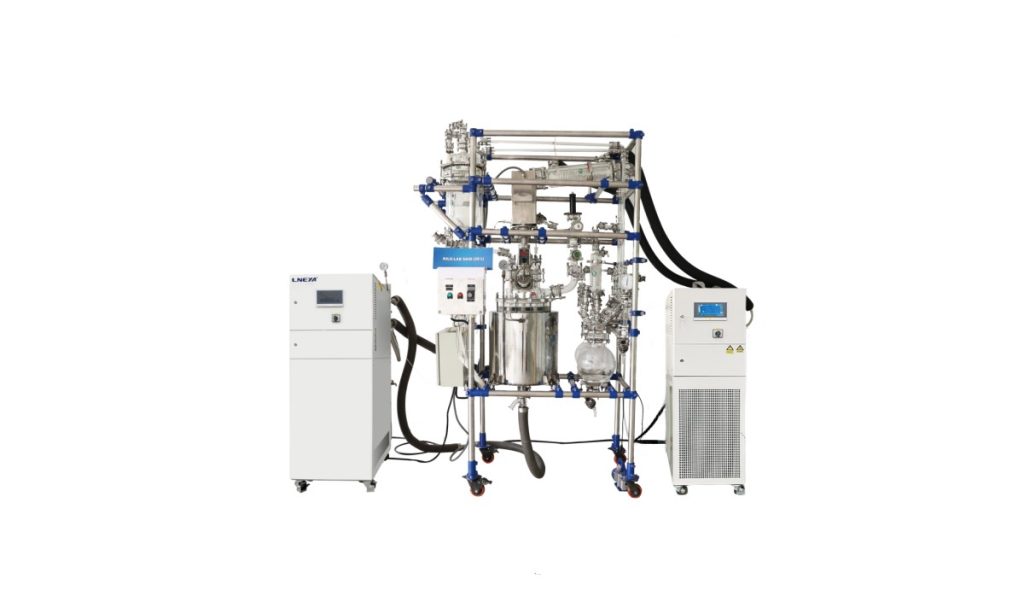
1406Reliable Chemical Process Chillers ensure stable reactions, protect equipment, cut energy use, and improve safety in demanding chemical plants.
View details -
What is the Chiller Expansion Valve:Types,Functions,Work Principle
2197In industrial chillers, expansion valves is used to control refrigerant flow .Expansion valves of various designs act in different ways. Through this blog you will learn about types, functions and working principles of expansion valves. The expans...
View details -

How Cooling Towers and Chillers Work Together
1531Learn how water-cooled chillers and cooling towers work together to remove process heat efficiently, maintain product quality, and save energy.
View details -
Common Chiller Specifications You Should Know
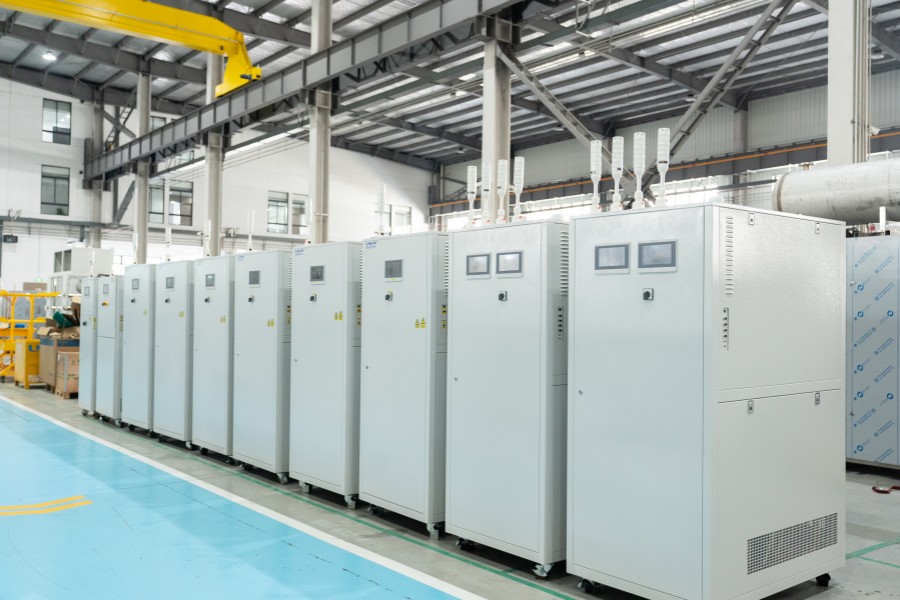
1648Chiller specifications like cooling capacity, temperature range, flow rate, and compressor type directly impact uptime, efficiency, and product quality.
View details