 工業冷水機製造商 LNEYA Taiwan



Temperature control system for heating liquid to 100 ℃ and cooling it to 30 ℃
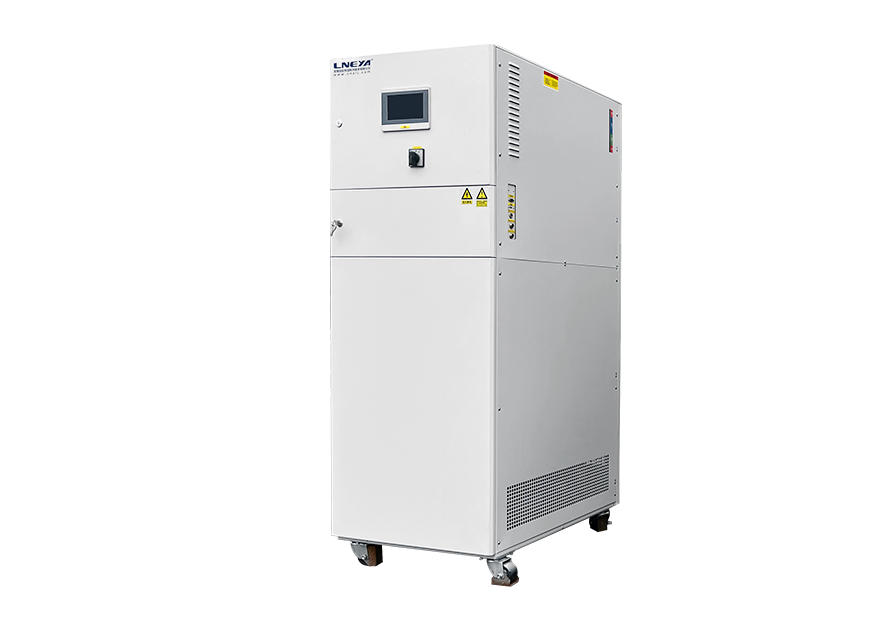
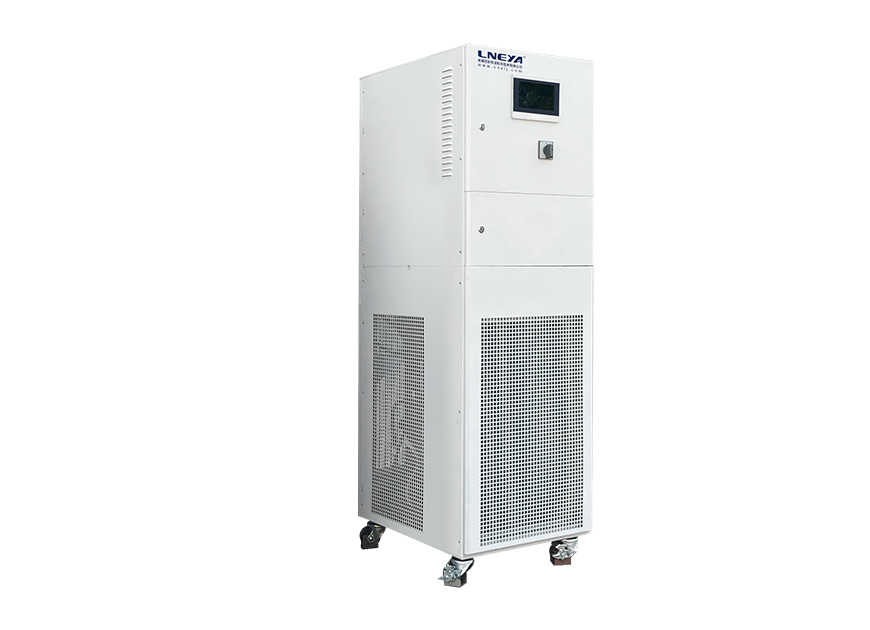

In chemical, pharmaceutical, food processing, or laboratory settings, liquids need to be heated to around 100 degrees Celsius and then cooled to around 30 degrees Celsius. This requires consideration of whether a pressurized or vacuum environment is needed? For example, if a liquid boils when heated to 100 degrees under normal pressure, a closed system may be required to prevent evaporation, or allow for some evaporation but require condensation for recovery. Cooling to around 30 degrees may require consideration of cooling rate, whether rapid cooling or natural cooling is necessary.
In terms of heating methods, common ones include steam heating, thermal oil heating, etc. Steam heating may require boilers, suitable for factories with steam supply; Thermal oil is suitable for high temperatures and requires uniform heating. Cooling methods may include water cooling, air cooling, refrigeration units, etc. High water cooling efficiency, but requires a stable water source; Air cooling is suitable for situations with low ambient temperatures; Refrigeration units can accurately control temperature, but the cost is relatively high.
At the same time, it is necessary to consider the material of the equipment, the intelligence of the control system, safety, energy efficiency, and the convenience of maintenance and cleaning.
Selection suggestion: jacketed reactor+heat exchange system; Thermal oil: High temperature uniform heating, suitable for scenarios with large capacity or requiring higher temperatures (>100 ℃). Rapid cooling: Equipped with a refrigeration unit (such as a chiller) to achieve active temperature control. Natural cooling: Suitable for scenarios with low cooling speed requirements through cooling towers or circulating water systems.
Typical Workflow:
During the heating phase, liquid is injected into the reaction vessel, the heating system is activated, and PID control is used to raise the temperature to 100 ℃ (time: depending on capacity and power, for example, 30 minutes to 2 hours). After the temperature stabilizes, enter the insulation stage (optional, if chemical reactions require maintenance time).
During the cooling phase, switch to the cooling system and introduce cooling water (10-15 ℃) or chilled water (below 5 ℃) to accelerate the cooling process. The target is to cool down to 30 ℃ (time: 1-3 hours, depending on the cooling power).
Budget range: Small batch system (100L): Approximately 50000 to 150000 yuan (electric heating+chiller). Large continuous system (1 ton/hour): 300000 to 1 million yuan (steam+refrigeration unit).
LNEYA can provide high-precision solutions: heat transfer oil heating+refrigeration unit cooling+PLC fully automatic control. Applicable scenarios: pharmaceuticals, precision chemicals, requiring rapid temperature rise and fall (such as heating and cooling completed within 1 hour).
loading…
已经是到最后一篇内容了!