 工業冷水機製造商 LNEYA Taiwan



The Reasons of Frosting on Ultra low Temperature Recirculating Chillers
NEWS 1932
Frosting will appear when many users take advantage of ultra low temperature recirculating chillers, while some are not. It is confusing and whether it is relevant to refrigeration.
First of all, why does ultra low temperature recirculating chillers frost? To sort it out, we can turn our eyes on the reasons of direct-cooling ultra low temperature recirculating chillers. The frost is a white crystal of vapour which will congeal on the surface of ultra low temperature objects.
The air will frost on the surface of the inner wall inside ultra low temperature recirculating chillers, which is the root cause. It will affect the heat transfer efficiency, resulting in the decline of refrigerating capacity, so the users should remove it manually.
We understand why the ultra low temperature recirculating chillers will frost on one hand, and for the other hand the air-cooled one is frostless. Are their reasons against each other? The principle of that is the air-cooled ultra low temperature recirculating chillers applies air to refrigerate. When high temperature air flows through the inner evaporator, both of them will change the heat directly because they are in opposite conditions so that the temperature of air will lower.
Meanwhile, cool air is blown in the ultra low temperature recirculating chillers, which is exactly what air-cooled one uses for cycling constantly to reduce its own temperature. However, vapor always exists in the air, so it becomes solid when it freezes, which shows that whenever heat transfer happens, frosting will be in the ultra low temperature recirculating chillers.
In fact, air-cooled ultra low temperature recirculating chillers is carried with frost, but only on the surface of the evaporator. When opening the door, we can not see it because the frost is inside. Thus, we call it as frostless on the whole.
Therefore, we make it clear why ultra low temperature recirculating chillers is out of frosting.
Related recommendations
-

What causes sediment in the use of the chiller cooler?
1766A chiller is a water-cooled unit that uses water circulation to provide a constant temperature, constant flow and constant pressure cooling water. The LNEYA cold water system has its own working principle, that is, a certain amount of water is inj...
View details -
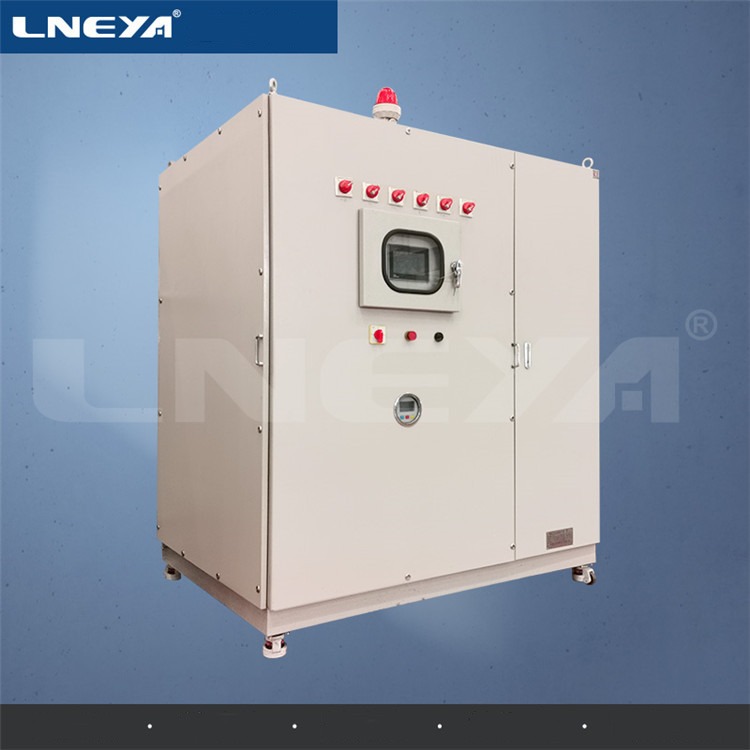
Heat transfer oil of explosion-proof cooling and heating circulator
1868Explosion proof cooling and heating circulator is a commonly used temperature control equipment in laboratories. It is used in pharmaceutical, chemical, biological and other industries to provide heat and cold sources for reactors, reactors, etc. ...
View details -

Precautions for the use of molecular distillation cooling and heating temperature control
1839The SUNDI series of LNEYA refrigeration and heating temperature control system are used together to control the temperature in the process of molecular distillation. What should be paid attention to in use? If the molecular distillation method ca...
View details -
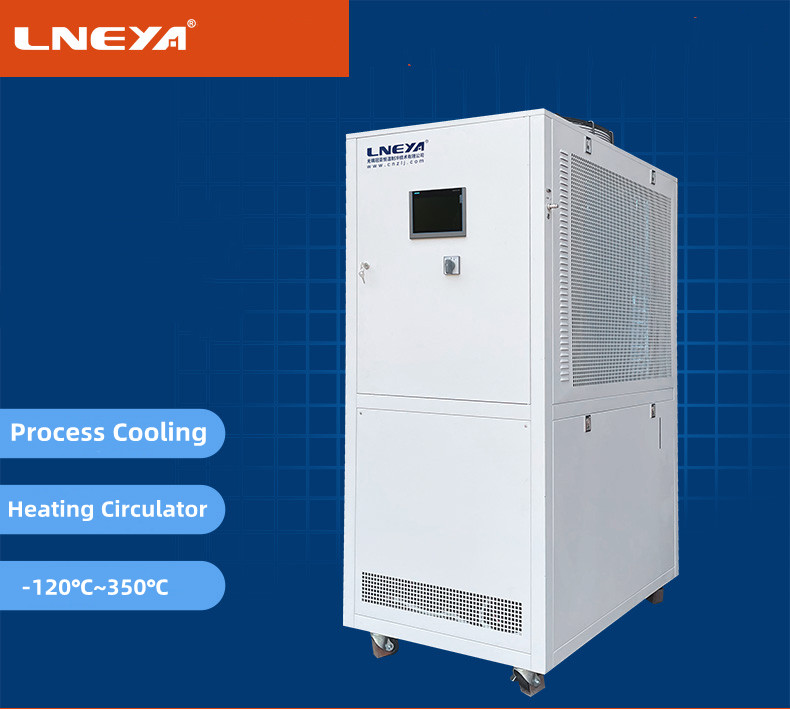
Simulation control of temperature change in the cooling and heating temperature control system of th
1676Industrial cooling and heating temperature control system is a temperature control equipment used in the cooling and heating process of reaction kettle in the pharmaceutical and chemical industry. What are the characteristics of lneya's equipment?...
View details