 工業冷水機製造商 LNEYA Taiwan



Clean Room Temperature Control: How to Maintain Stable Cleanroom Conditions
Maintaining the right temperature is essential for clean room environments where even small changes can affect production processes and equipment performance. Unlike ordinary temperature control, clean room applications require more accurate and reliable solutions to maintain consistent operating conditions.
What Is Clean Room Temperature Control
Clean room temperature control refers to maintaining a precise and stable temperature environment for manufacturing processes and sensitive equipment inside a cleanroom.
A clean room temperature control system typically uses precision cooling equipment, temperature sensors, and control systems to remove process heat and maintain the required operating conditions. Precision chillers and closed-loop cooling systems are commonly used to provide accurate coolant temperature control for equipment operating in cleanroom environments.
Key Components of a Clean Room Temperature Control System
Temperature Control Equipment
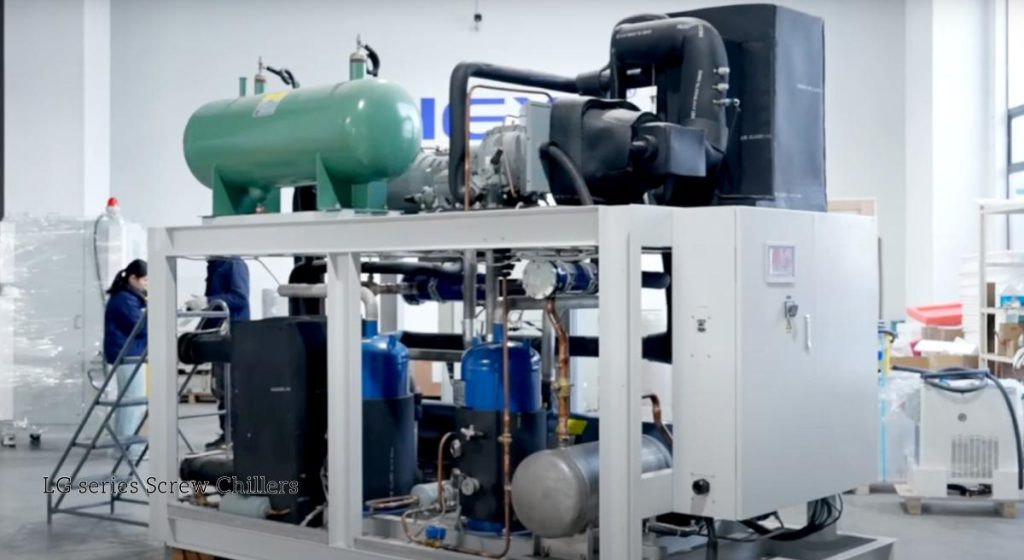
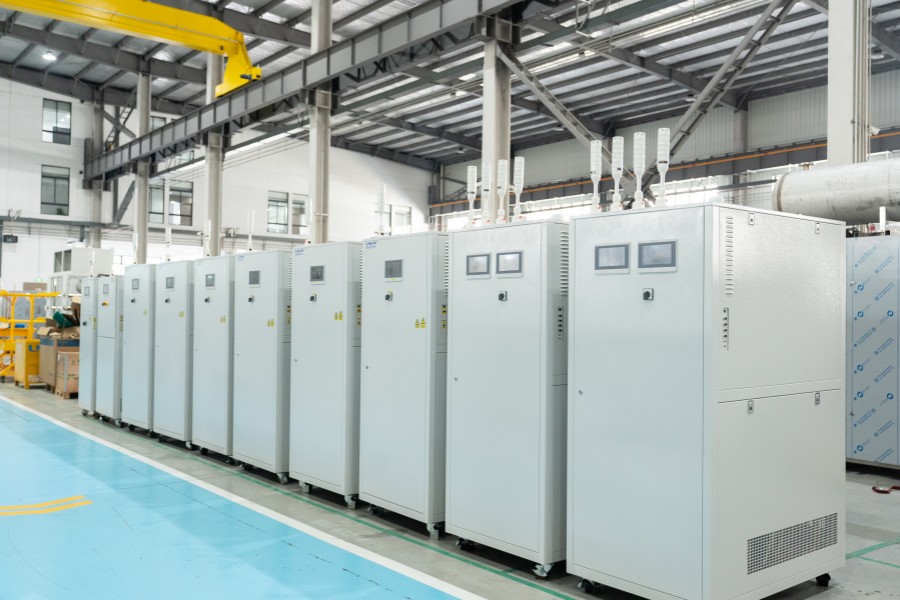
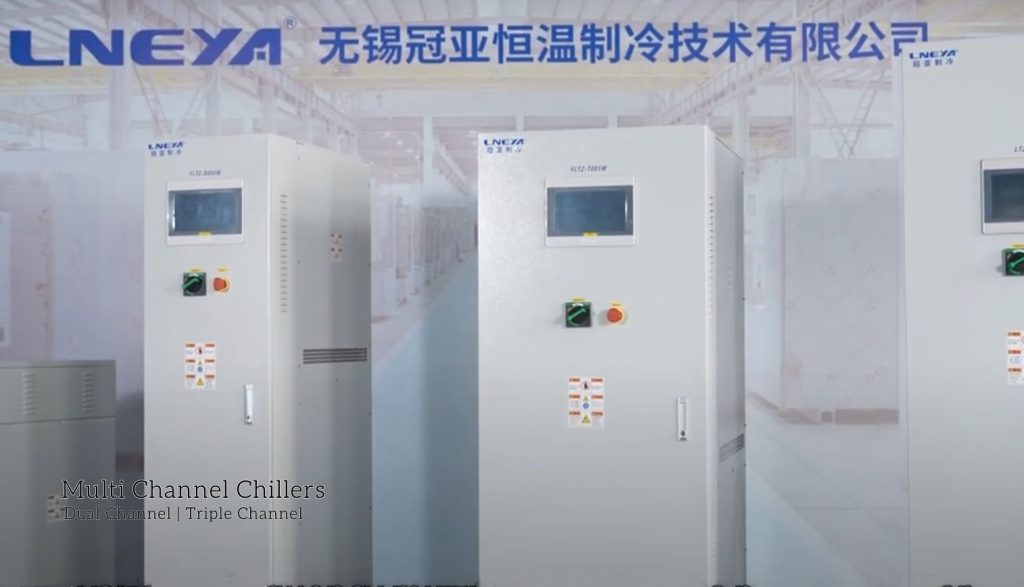
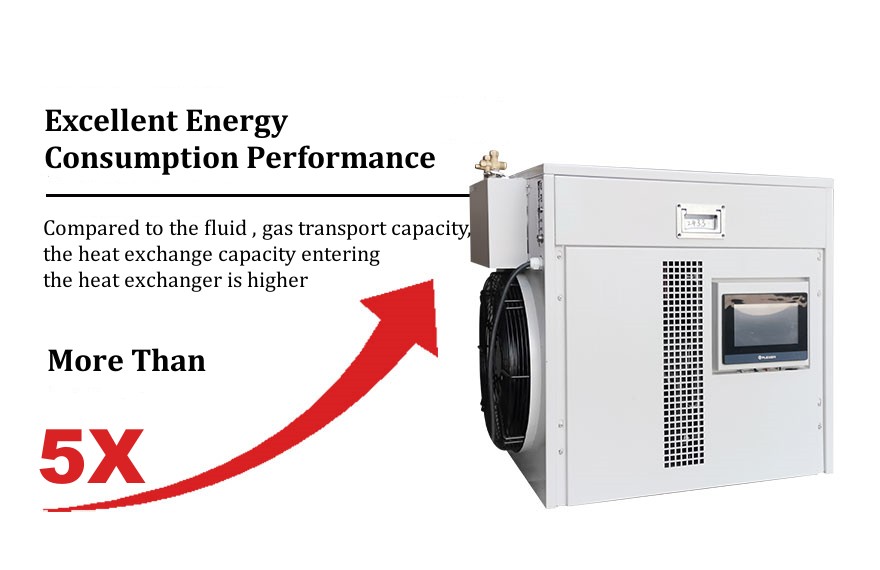
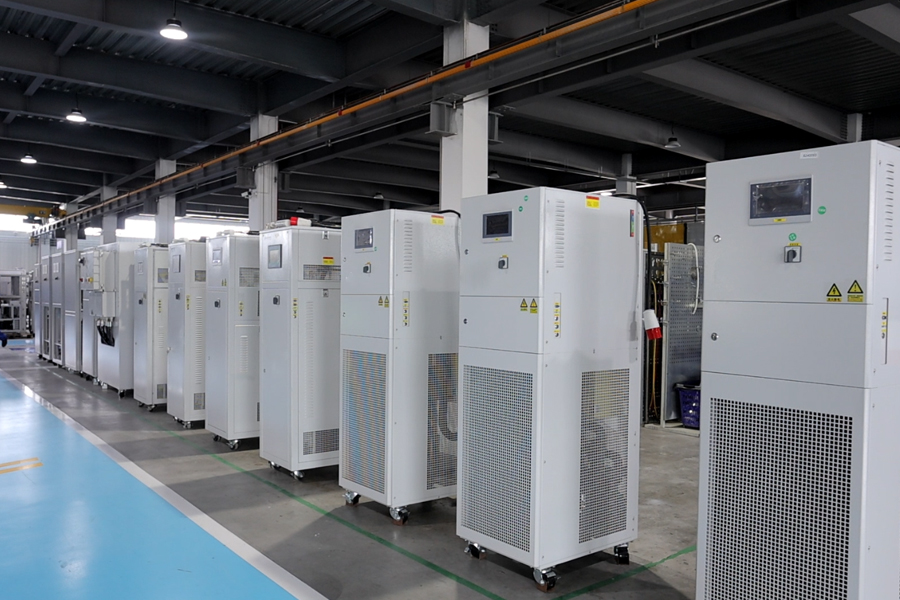
Temperature control equipment is the core part of a clean room cooling system. Depending on application requirements, different solutions can be selected, including precision chillers, semiconductor chillers, thermal chillers, and closed-loop cooling systems.
Coolant Circulation System
The coolant circulation system transfers cooling capacity between the temperature control equipment and the process equipment. Pumps, pipelines, and flow control components ensure that coolant reaches the equipment with the required flow rate.
Temperature Sensors and Controllers
Temperature sensors continuously monitor coolant or process temperature and provide feedback to the controller. The control system adjusts cooling output based on real-time data to maintain the target temperature.

Why Is Temperature Control Important in Clean Rooms
Protecting Precision Equipment
Clean rooms often contain high-precision equipment that requires stable operating temperatures. During operation, equipment such as semiconductor processing tools, testing systems, and laser devices can generate continuous heat. Without effective cooling, temperature increases may affect equipment accuracy, shorten component life, or reduce overall performance.
Improving Product Quality
Temperature fluctuations can influence production accuracy and final product performance. In applications where manufacturing processes involve strict tolerances, maintaining a controlled temperature environment is essential for reducing variations and improving product reliability.
Maintaining Material and Process Stability
Temperature changes can affect the physical and chemical properties of materials used in clean room processes. For example, thermal expansion or contraction may influence precision manufacturing accuracy, especially in semiconductor and electronic production.
Maintaining a stable temperature environment helps reduce material changes during processing and ensures more consistent manufacturing results.
Reducing Thermal Stress on Equipment
Precision equipment operating in clean rooms often requires stable thermal conditions to maintain performance. Frequent temperature fluctuations can create thermal stress on internal components, leading to mechanical changes, measurement deviations, or accelerated wear.
Improving Measurement Accuracy
Many clean room applications involve precision measurement and testing processes. Temperature variations can affect sensor readings, equipment calibration, and measurement results. By maintaining accurate temperature conditions, temperature control systems help improve measurement reliability and ensure that testing data remains consistent.
How to Maintain Stable Cleanroom Conditions
A complete clean room temperature control solution uses temperature sensors, control systems, and cooling equipment to maintain consistent thermal conditions. When equipment generates additional heat, the cooling system increases cooling output to remove excess heat. When the heat load decreases, the system adjusts operation to avoid unnecessary temperature fluctuations.
For high-precision applications, precision chillers and closed-loop cooling systems provide accurate coolant temperature control and stable heat removal. By maintaining consistent cooling conditions, clean room temperature control helps protect sensitive equipment, improve process repeatability, and ensure reliable production performance.
Temperature Control Challenges in Clean Room Environments
Maintaining accurate clean room temperature control can be challenging because the environment must remain stable while production conditions continue to change. Manufacturing equipment, testing systems, and other process devices often generate different levels of heat during operation, which can create variations in room temperature and cooling demand.
A clean room temperature control system needs to respond quickly to these changes while maintaining consistent cooling performance. If temperature fluctuations are not properly controlled, they may affect equipment accuracy, process stability, and product quality.
Conclusion
By combining precision chillers, semiconductor chillers, closed-loop cooling systems, and intelligent temperature control technologies, LNEYA provides reliable thermal management solutions for clean room environments. These solutions help maintain accurate coolant temperature, improve process stability, and support the continuous operation of advanced manufacturing systems.
Need a custom cooling solution for your process?
FAQ
CONTACT US
TEL:
EMAIL:
WeChat & WhatsApp:

Wechat QR