 工業冷水機製造商 LNEYA Taiwan



Data Center Cooling System: From Air Cooling to Liquid Cooling
As digital services, cloud computing, and artificial intelligence continue to grow, data centers are handling more computing tasks than ever before. Higher processing power means servers generate more heat, creating greater challenges for temperature management and system reliability.
Choosing the right cooling approach is not only about reducing temperature. It is also about improving energy efficiency, maintaining equipment reliability, and supporting the long-term operation of modern data centers.
What Is a Data Center Cooling System
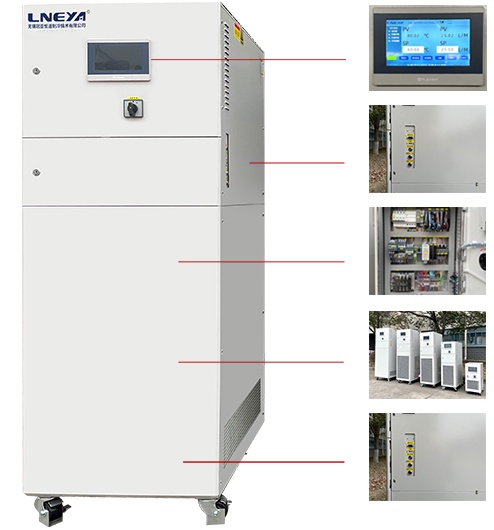
A data center cooling system is a thermal management solution designed to remove heat generated by servers, networking equipment, and other IT infrastructure. A data center cooling system is not simply a cooling machine. It is a complete solution that includes cooling equipment, heat transfer components, airflow or liquid circulation systems, temperature sensors, and control technologies.
These components work together to maintain suitable temperatures and prevent overheating during continuous operation.
Where Does Heat Come From in a Data Center
The primary source of heat in a data center is the IT equipment itself. Servers continuously consume electricity while processing data, and almost all of that electrical energy is eventually converted into heat. The higher the computing workload, the more heat the servers generate.
Processors such as CPUs and GPUs are the largest heat producers inside modern servers. As artificial intelligence, cloud computing, and high-performance computing continue to develop, these processors operate at much higher power levels than before. As a result, server rack heat density continues to increase.
Other equipment, including storage devices, network switches, power supplies, and UPS systems, also contributes to the overall heat load. Although each device generates less heat than a processor, hundreds or thousands of devices operating together create a significant amount of thermal energy.
Why Traditional Air Cooling Is Reaching Its Limits
For many years, air cooling has been the standard cooling method for data centers. Cold air is delivered to server racks, absorbs heat from the equipment, and is then returned to the cooling unit. This approach is reliable and works well for many conventional server rooms.
However, today’s servers generate much more heat than previous generations. AI servers and GPU clusters often operate at extremely high power levels, making it difficult for airflow alone to remove heat efficiently. Simply increasing airflow also increases fan energy consumption and operating costs.
Because of these limitations, many modern data centers are introducing liquid cooling and precision cooling technologies. These solutions improve heat transfer efficiency while supporting higher computing density and better energy performance.
Why Liquid Cooling Is Growing Rapidly
Compared with air, liquid has much better thermal conductivity and heat capacity. It can absorb and transfer heat more efficiently, allowing cooling systems to remove large amounts of heat while maintaining stable operating temperatures. This makes liquid cooling particularly suitable for AI servers, GPU clusters, and other high-density applications.
Liquid cooling can also improve energy efficiency. Because heat is transferred more effectively, cooling equipment does not need to rely on high airflow or large numbers of fans. This helps reduce overall cooling energy consumption and supports lower Power Usage Effectiveness (PUE).
Modern Cooling Solutions for Data Centers
Modern data centers often combine multiple cooling technologies instead of relying on a single method. The choice depends on server density, cooling capacity, energy efficiency goals, and future expansion plans.
Air Cooling
Air cooling uses cooled air to remove heat from server equipment. It is suitable for many conventional data centers because of its mature technology, relatively simple installation, and convenient maintenance. Hot aisle and cold aisle containment are commonly used to improve airflow efficiency.
Liquid Cooling
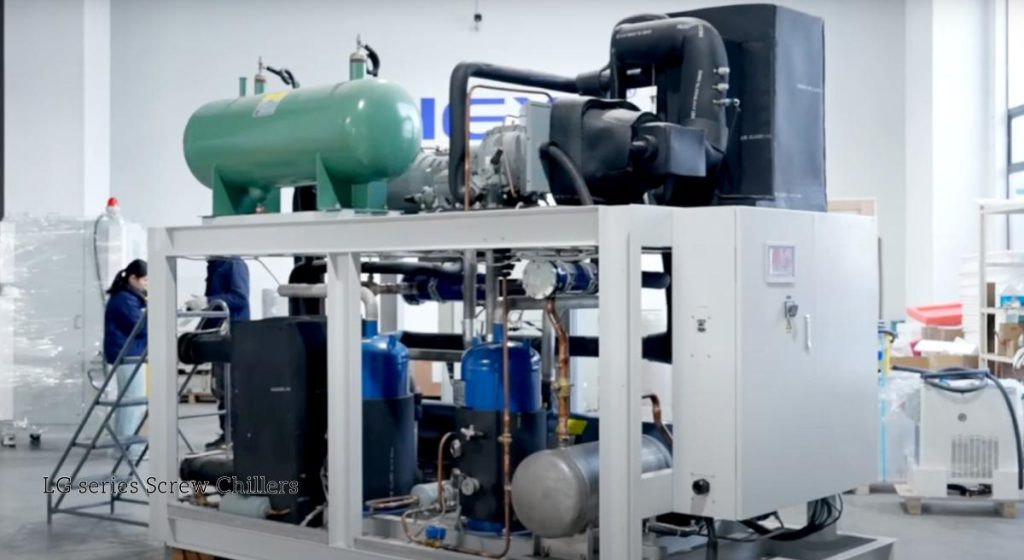
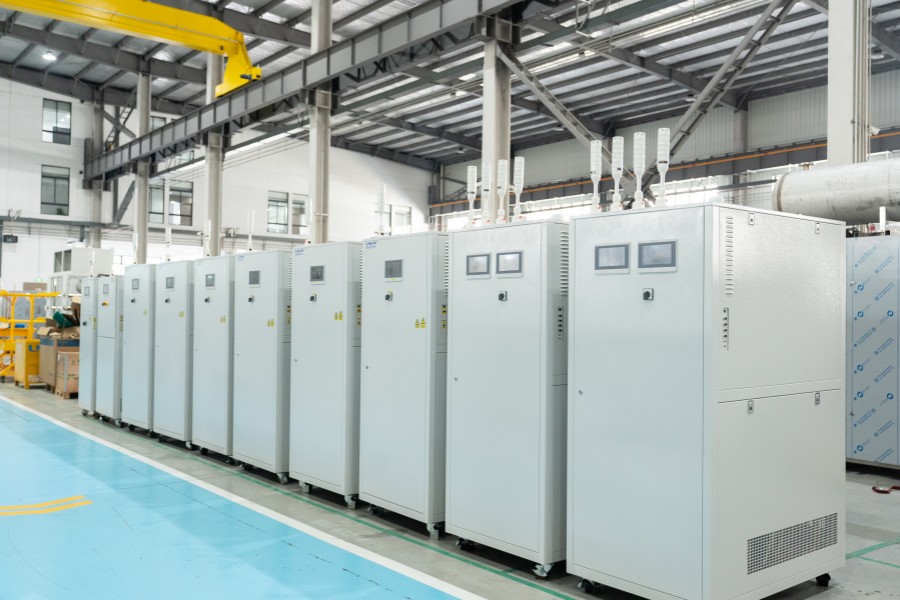
Liquid cooling transfers heat using coolant instead of air. Because liquids have much higher thermal conductivity than air, they can remove heat more efficiently. Closed-loop cooling systems and precision chillers are widely used to provide stable coolant temperatures for high-density servers.
Direct-to-Chip Cooling
Direct-to-chip cooling delivers coolant directly to cold plates installed on CPUs or GPUs. Heat is removed before it spreads throughout the server, making this solution highly effective for AI computing and high-performance servers.
Immersion Cooling
Immersion cooling places servers inside a special dielectric liquid that absorbs heat directly from electronic components. This technology provides excellent cooling performance and is becoming an attractive option for ultra-high-density computing applications.
Future Trends in Data Center Cooling
As computing technologies continue to evolve, data center cooling systems are also moving toward higher efficiency, greater intelligence, and more sustainable operation. Future cooling solutions will focus not only on removing heat but also on supporting higher computing performance while reducing environmental impact.
Liquid cooling is expected to become more common as AI computing and high-density servers continue to expand. Technologies such as direct-to-chip cooling and immersion cooling are gradually being adopted in applications where traditional air cooling can no longer provide sufficient cooling performance.
Another important trend is intelligent thermal management. Modern cooling systems increasingly use sensors, automation, and data analysis to monitor operating conditions in real time. This allows cooling equipment to respond quickly to workload changes, improving both reliability and energy efficiency.
Conclusion
Whether your application requires traditional air cooling or advanced liquid cooling, the cooling solution should be designed to match your actual operating conditions and future expansion plans. If you are looking for a reliable thermal management solution, our engineering team can help you identify the most suitable system for your application. Welcome to contact us.
Need a custom cooling solution for your process?
FAQ
CONTACT US
TEL:
EMAIL:
WeChat & WhatsApp:

Wechat QR