 工業冷水機製造商 LNEYA Taiwan



Why Choose an Oil Chiller for High-Temperature Applications
Industrial equipment accumulates heat over time during continuous operation. Users of water chillers may find that when process temperatures exceed 100°C, the water boils. Scale buildup and temperature fluctuations can affect the process.
This is where oil chillers come in handy. They use thermal oil instead of water to remove heat, allowing them to withstand higher temperatures and provide greater temperature stability.
What Is an Oil Chiller
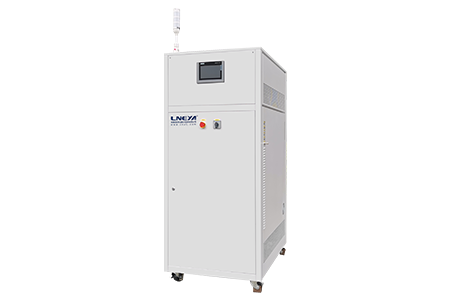
An oil chiller, or oil-based chiller, is a type of industrial temperature control unit that uses thermal oil as the process fluid. Instead of relying on water or glycol, the oil chiller circulates heat transfer oil through the equipment, absorbs the process heat, and releases it through a refrigeration loop.
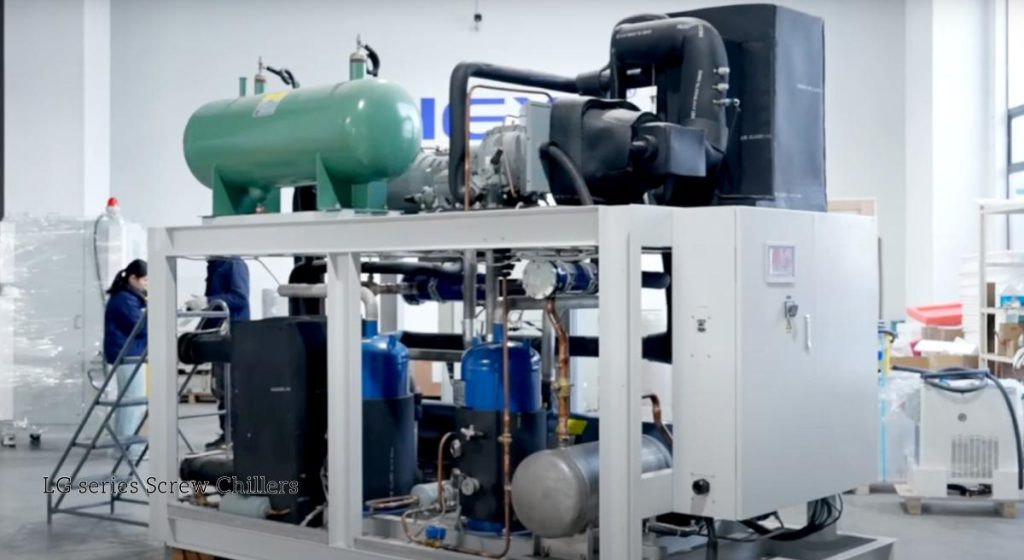
The system is made up of a compressor, condenser, evaporator, oil pump, and expansion valve, just like a traditional chiller. However, the key difference between an oil-based chiller and a water-based chiller is that the process fluid used is thermal oil, which has a higher boiling point. This allows it to operate stably at temperatures of 200°C or even higher.
Advantages of an Oil Chiller
Wide Temperature Range
An oil chiller can handle a broad span of temperatures. Some models work from -20 ℃ up to 300 ℃. That range makes the unit useful when a process needs fast heating and then precise cooling.
Think of an extrusion line that heats a polymer and then needs tight control while it sets. A water chiller would struggle because water can boil or freeze. An oil cooling system follows the whole cycle without losing control. One machine replaces separate heaters and chillers. That saves floor space and reduces equipment costs.
Excellent Thermal Stability
Thermal oil keeps its shape under heat. Water can turn to steam or leave scale that blocks flow. Those effects cause unstable readings and uneven temperatures. Thermal oil does not boil at typical process temperatures. The result is steady heat transfer and cleaner temperature curves.
In a lab or on a production floor, this stability shows up as fewer surprise trips and fewer ruined runs. For a batch process where a few degrees ruin the product, stable oil is the difference between a good run and a scrap load.
Corrosion Resistance
Oil systems avoid rust problems that plague water loops. Water corrodes metal and can breed bacteria. Over the years that eats into pipes and heat exchangers. An oil-based chiller runs dry inside and keeps the loop clean. No water treatment is needed and no mineral deposits build up.
Uniform Heat Transfer
Oil flows with consistent viscosity across a wide temperature band. That helps the fluid reach every passage and surface evenly. Even flow limits hotspots and keeps temperature differences small across a mold or reaction vessel. That uniformity reduces part warpage and improves repeatability.
Some people worry that oil is slower at transferring heat than water. In real high temperature work the stable behavior of oil gives tighter control. That often beats water systems that must fight vapor pockets and scale.
Lower Maintenance Costs
An oil chiller needs less routine work than a traditional water chiller. There is no constant fill of water and no need for water chemistry control. The closed oil loop only needs occasional checks on oil condition and filter condition. That check can be part of a twice yearly inspection in many plants.
Refrigeration parts like compressors and condensers also run under steadier loads when the oil behaves predictably. That lowers wear and extends service life. Over months and years this leads to fewer repairs, less downtime, and lower total cost of ownership.
Explore LNEYA Oil Chillers
When water-cooled water chillers are insufficient for high-temperature applications, oil chillers are a more suitable alternative. They provide a stable, safe, and precise operating environment for high-temperature processes.
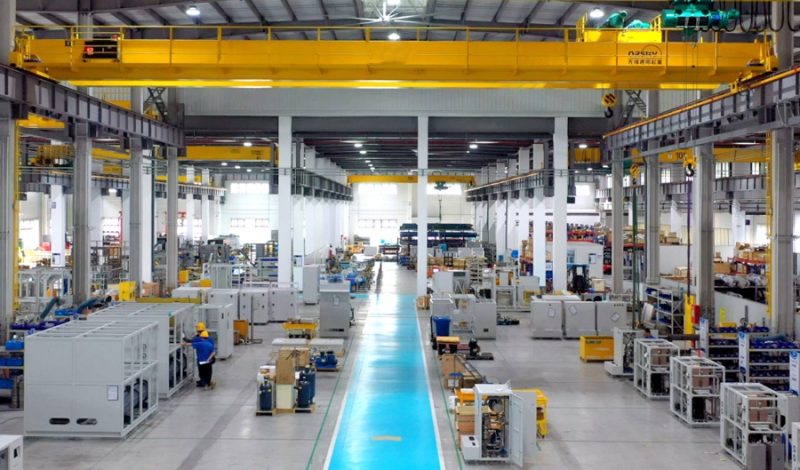
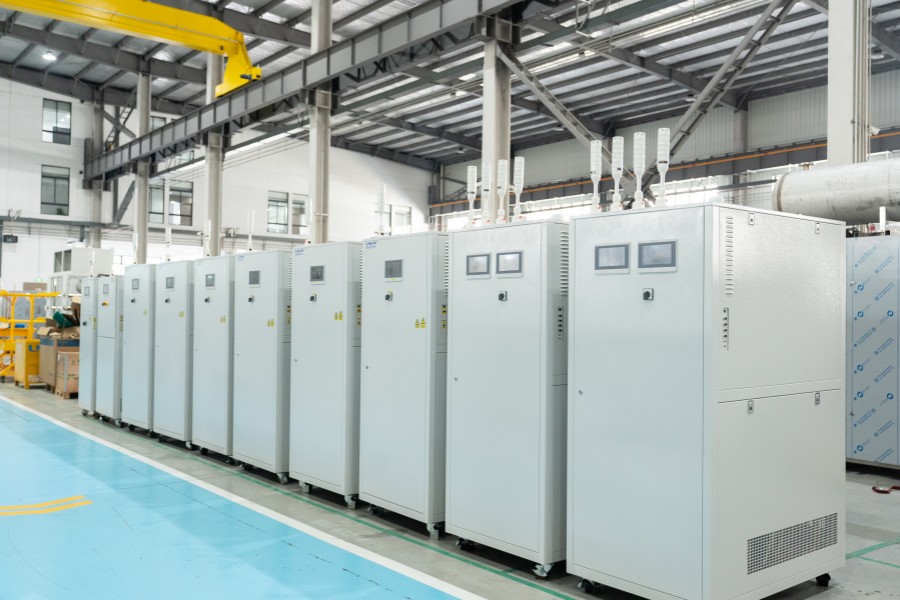
LNEYA offers oil chillers specifically designed for cooling equipment and processes. We can customize equipment parameters to meet your specific needs.
Recent Blogs
- Clean Room Temperature Control
- Data Center Cooling System
- Power Electronics Cooling
- Feedback Control System
- Electronic Expansion Valve
- R32 vs R410A
- Semiconductor Manufacturing
- Refrigerated Circulator
Catalog
- July 2026
- June 2026
- December 2025
- November 2025
- October 2025
- September 2025
- August 2025
- July 2025
- June 2025
- May 2025
- March 2025
- February 2025
- January 2025
- December 2024
- November 2024
- October 2024
- September 2024
- August 2024
- July 2024
- June 2024
- May 2024
- April 2024
- March 2024
- February 2024
- September 2023
- July 2023
- June 2023
- May 2023
Tag
air cooled chiller chiller chiller cooling capacity chiller heater Chiller Installation Chiller Maintenance chiller refrigerant chillers Chiller Troubleshooting cooling chiller cooling system custom chiller Double-Layer Glass Reactor dynamic temperature control system energy efficient chiller explosion-proof chiller glycol chiller heating circulator heat recovery chiller industrial chiller industrial chillers industrial cooling industrial freezer jacket reactor laboratory chiller liquid cooling liquid cooling chiller news oil chiller pharmaceutical chiller process chiller process cooling process cooling system reactor chiller reactor cooling reactor heating cooling reactor system screw chiller semiconductor chiller semiconductor test chiller temperature control vehicle test chiller water chiller water cooled chiller
Contact Us
Related Chillers
CONTACT US
TEL:
EMAIL:
WeChat & WhatsApp:

Wechat QR

Have a question or need a quote? Fill out the form below, and our team will get back to you within 24 hours.